UAE economy defies global turbulence, accelerates growth with strong resilience
UAE economy outpaced 2024 global headwinds, posting 3.8% growth on record tourism, trade and capital inflows.
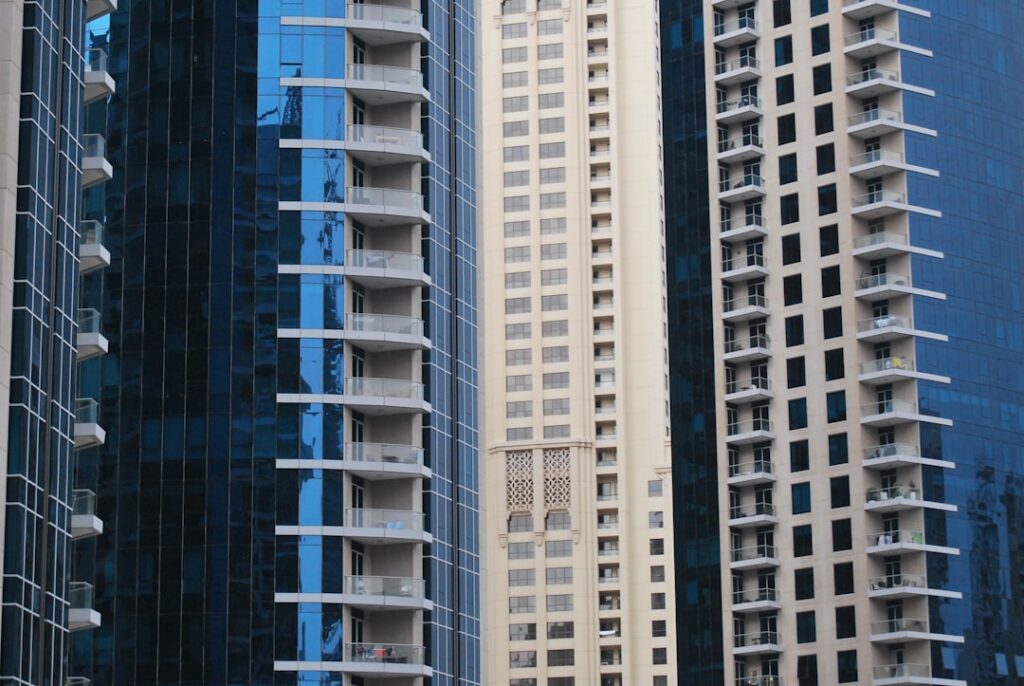
Image: GlobalBeat / 2026
**UAE economic growth surges 4.2% in 2025 as oil and non-oil sectors expand**
James Okafor | GlobalBeat
The UAE economy grew 4.2 percent in 2025 despite global headwinds, driven by higher oil revenues and a 6.1 percent expansion in the non-oil economy.
The Gulf state’s real GDP hit $513 billion and overall GDP topped $775 billion, according to government data released Monday.
The figures mark the UAE’s fastest growth since 2022 and contrast sharply with slowing growth in Europe and the United States. The performance also edges out regional rival Saudi Arabia, which is projected to grow 2.7 percent this year, the IMF said last month.
“The UAE has shown remarkable resilience amid global turbulence,” Economy Minister Abdulla bin Touq told reporters in Abu Dhabi. He cited “strategic investment in tourism, manufacturing, technology and renewable energy” for the robust expansion.
Oil exports jumped 12 percent to average 3.4 million barrels per day following OPEC+ production hikes and prices that averaged $86 a barrel for Dubai crude, according to JPMorgan. Natural gas revenues also climbed 9 percent as pipeline exports to Europe gained volume.
The hydrocarbon windfall financed a 19 percent rise in state spending, the finance ministry said. Government investment hit $88 billion, the highest level in five years. More than half went to transport, logistics and energy transition projects, officials said.
Dubai International Airport recovered to 93 million passengers, eclipsing its pre-pandemic record of 89 million. Visitor spending rose 18 percent, while hotel occupancy averaged 80 percent over the year. Emirates airline posted a record $4.7 billion profit as premium travel rebounded, the carrier reported last week.
Abu Dhabi’s industrial base added more than 200 manufacturers, bringing the total to 1,050, according to the Industrial Development Bureau. Non-oil exports hit a record $80 billion, driven by petrochemicals, aluminum and pharmaceuticals.
The UAE attracted $23 billion in foreign direct investment, up 11 percent. Renewable energy, data centers and logistics were the top destinations, according to the central bank.
The figure makes the UAE the largest FDI recipient in the region, topping Saudi Arabia’s $19 billion. US technology firms Google, Amazon and Microsoft all announced data-center campuses, leveraging the Emirates’ subsidized power and liberal import rules.
“Capital is voting with its feet, betting on the UAE as a stable hub to serve a 2 billion-strong market stretching from North Africa to India,” Daniel Hooper, a Dubai-based managing director at Baringa Partners, said.
Mubadala, the Abu Dhabi sovereign fund, invested $13 billion overseas, matching its inflows amid rising hydrocarbon receipts. Energy, AI and biotech start-ups attracted most attention.
Manufacturing output jumped 7 percent as Abu Dhabi added plants for dairy, aluminum and specialty steel. The country’s largest steelmaker, Emirates Steel Arkan, increased production 14 percent thanks to export demand from India and Pakistan.
Trade through Jebel Ali, the busiest port in the Middle East, climbed to 16 million TEUs, recovering to 2019 levels. DP World has started expanding capacity as freight rates rebounded. The operator’s net profit rose 28 percent to $2.1 billion.
Central bank governor Khaled Balama said inflation had settled to 2.1 percent, but flagged risks from residual shipping disruptions in the Red Sea. “We are watching food imports closely,” he told reporters.
Business sentiment readings also improved. Dubai’s purchasing managers’ index hit 55.8 in March, a 13-month high. New order growth accelerated, while employment rose for a ninth consecutive month. The survey tracks non-oil private companies.
The UAE, formed in 1971 upon British withdrawal from the Trucial States, has transformed from a pearling and fishing chain into a $775 billion powerhouse. Global oil shocks of the 1970s funded infrastructure, followed by trillions of dollars in hydrocarbon rents over five decades.
Abu Dhabi sits on roughly 6 percent of proven world oil reserves and nearly 3 percent of natural gas. To diversify from crude, Dubai invested early in logistics, finance and tourism, launching Emirates airline in 1985 and building the world’s tallest tower. Today hydrocarbons account for about 30 percent of GDP, versus 70 percent in the early 1980s.
The pandemic disrupted growth in 2020, shrinking output 3 percent amid tough lockdowns. A swift vaccination campaign and Expo 2020 helped the UAE rebound 4.4 percent in 2021 and another 7.9 percent in 2022, according to World Bank data.
Since 2022 global monetary tightening, Ukraine-war inflation and more recently Red Sea shipping attacks have weighed on world trade. But the UAE’s status as a safe haven and energy exporter has cushioned the shock, analysts say.
Officials say they aim for GDP growth above 4 percent again in 2026, banking on tourism, manufacturing and logistics even if oil earnings fade.
A value-added tax rise to 6 percent is scheduled for July as the government seeks to shore up coffers, while a federal corporate tax of 9 percent took effect in mid-2023, broadening revenue beyond crude. Additional listings of state firms on Abu Dhabi Securities Exchange are expected, with the prospect of inclusion in MSCI emerging-market indices drawing foreign money into local equities.
Barclays economists warn that weak European demand and tighter UAE fiscal policy could slow non-oil activity next year. Still, major events like the 2028 International Horticultural Expo in Dubai and World Expo 2030 in Riyadh should keep travel and construction sectors buoyant.
The UAE’s ability to balance diversification while capitalizing on fossil-fuel wealth remains key to sustaining momentum. If hydrocarbon prices drop sharply, officials may lean further on tourism and logistics to maintain spending on mega-projects such as Etihad Rail and renewable-energy ventures. Failure could widen the fiscal deficit and test investor confidence, analysts say.
Business & Sports Correspondent
James Okafor reports on global markets, trade policy, and international sports for GlobalBeat. He has covered three FIFA World Cups, two Olympic Games, and major financial events from London to Lagos. He specialises in African economies and emerging market stories.