Trump says U.S. Navy will ‘immediately’ blockade Strait of Hormuz after ceasefire talks end without agreement
Trump announces immediate U.S. naval blockade of Strait of Hormuz after ceasefire talks collapse.
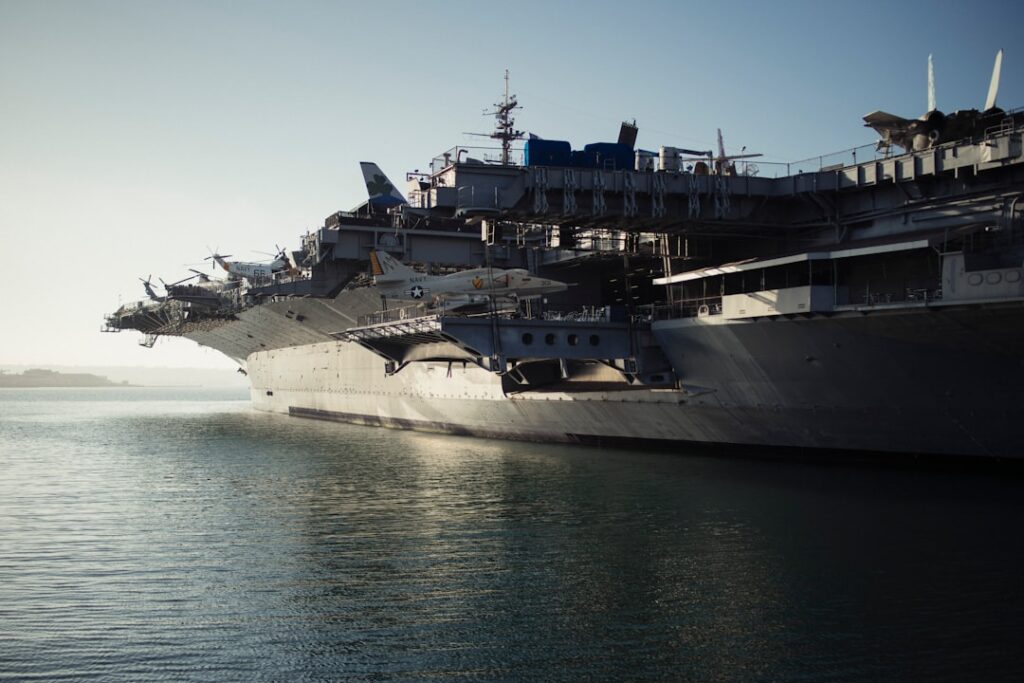
Image: GlobalBeat / 2026
Trump announces Hormuz blockade after Iran ceasefire collapse
President Donald Trump said the U.S. Navy will blockade the Strait of Hormuz “immediately” during a Rose Garden appearance Friday evening.
The announcement came 90 minutes after Secretary of State Marco Rubio left Geneva without a ceasefire agreement with Iranian negotiators.
The strait carries 21 percent of global oil supplies. Oil futures jumped 18 percent within 20 minutes of Trump’s statement.
Byline: Muhammad Asghar | GlobalBeat
Trump spoke beside a map showing the 21-mile wide waterway between Iran and Oman. “We will turn the tap off,” the president said. “No Iranian oil leaves. No ships in or out.”
The blockade announcement ends three weeks of shuttle diplomacy that began after Iran’s ballistic missile strike on Israel’s Ramon Airbase April 1. That attack killed 19 Israeli airmen and wounded 67 others.
Rubio had presented Tehran with a U.S. draft calling for Iranian withdrawal of Republican Guard units from Syria within 72 hours. Iranian Foreign Minister Abbas Araghchi rejected the demand Friday morning.
“The Americans wanted surrender,” Araghchi told Iranian state television from Geneva. “We offered mutual de-escalation. They chose escalation.”
Defense Secretary Mike Waltz said the Lincoln carrier strike group already moved into position north of Oman. “USS Gridley and USS Pinckney are screening all southbound traffic,” Waltz told reporters at the Pentagon. “Commercial vessels will be diverted to Fujairah or turned back.”
Iran responded within hours. The Revolutionary Guard released drone footage showing its missile boats shadowing the destroyer USS Laboon inside the strait. Tehran also announced it had placed coastal anti-ship batteries on “automatic launch” status.
European markets fell sharply. Brent crude surged to $124.70 per barrel, its highest since September 2023. The Dow Jones Industrial Average futures pointed to a 740-point drop at Monday’s open.
China’s Foreign Ministry called the blockade “unlawful economic coercion.” Beijing buys 83 percent of Iran’s oil exports. “We will ensure our energy security interests are protected,” ministry spokesman Lin Jian said.
Riyadh struck a different tone. Saudi Energy Minister Prince Abdulaziz bin Salman promised to “stabilize markets” by pumping an extra 1.2 million barrels per day through the Red Sea pipeline network.
Israeli Prime Minister Benjamin Netanyahu praised Trump’s move. “Iran’s terror economy is being choked,” he posted on X. “Israel stands ready to assist in enforcing the maritime cordon.”
The last U.S. naval blockade of Iran ran from 1987-1988 during the Tanker War. That operation, code-named Earnest Will, escorted reflagged Kuwaiti ships and led to several clashes with Iranian forces.
Shipping executives warned of immediate supply shocks. “Forty VLCCs are either inside or scheduled to enter the Persian Gulf this week,” said Lars Ostergaard, chief executive of Maersk Tankers. “Rerouting around Africa adds 19 days to Asian deliveries.”
Environmental groups expressed alarm. Greenpeace said more than 8 million barrels of oil are now floating in a “tanker traffic jam” near the strait’s narrow shipping lanes, raising spill risks.
Congressional reaction split along predictable lines. Senate Majority Leader John Thune backed the president, calling the blockade “long-overdue pressure on the mullahs.” Democratic leader Chuck Schumer warned Trump was “risking a wider war without congressional authorization.”
The U.S. Navy has not attempted a full interdiction of commercial traffic since the 1962 Cuban missile blockade. Legal scholars questioned the move’s basis in international law. “Blockades are acts of war under the U.N. Charter,” said Georgetown professor David Koplow. “Trump needs either Security Council approval or a congressional declaration.”
Background
The Strait of Hormuz has long served as the world’s most sensitive oil chokepoint. On average 18.5 million barrels pass through daily, including almost all crude from Saudi Arabia, Iraq, Kuwait, Qatar and Iran. Iran’s coastline stretches along the strait’s northern shore, giving Tehran geographic dominance.
Tensions peaked here before. Iran mined the waterway in 1988, prompting Operation Praying Mantis where U.S. forces sank two Iranian warships. In 2019 Tehran seized the British-flagged Stena Impero for two months after Britain detained an Iranian tanker off Gibraltar. The U.S. and Iran came within minutes of open conflict in January 2020 after Trump ordered the drone killing of Revolutionary Guard commander Qasem Soleimani at Baghdad airport.
What’s Next
The Pentagon must decide by Monday whether to board non-compliant vessels, a step that could trigger Iranian retaliation against commercial shipping. European Union foreign ministers meet Tuesday in Brussels to discuss an independent naval escort mission, while the International Maritime Organization has called an emergency session for Wednesday in London.
Insurance underwriters already doubled war-risk premiums for Hormuz transits. If the blockade persists beyond 10 days, analysts warn global diesel and jet-fuel shortages will cascade into consumer price inflation ahead of the U.S. summer driving season. Asian refiners are scrambling to secure replacement barrels, with Indian and Japanese delegations due in Riyadh this weekend to lock in emergency supplies.
Senior Correspondent, World & Geopolitics
Muhammad Asghar covers international affairs, conflict zones, and US foreign policy for GlobalBeat. He has reported on events across the Middle East, South Asia, and Eastern Europe, with a focus on the intersection of diplomacy and armed conflict. He has been writing wire-service journalism for over a decade.