Saudi Arabian Football Federation: Vision 2030, Global Influence, and Africa’s Opportunity
Saudi’s FA ties growth to Vision 2030, targets African talent pipelines and expanded Gulf influence, federation chief tells Reuters.
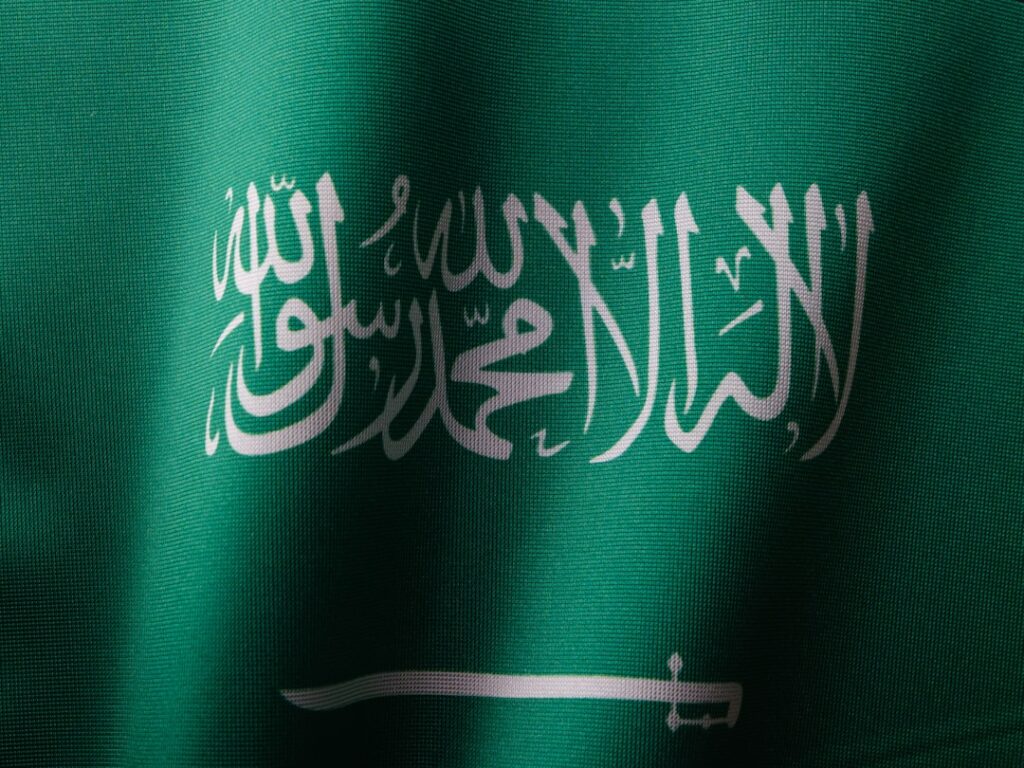
Image: GlobalBeat / 2026
Saudi Arabia football: Federation unveils $1bn Africa talent pipeline to boost 2030 World Cup bid
James Okafor | GlobalBeat
The Saudi Arabian Football Federation announced a $1 billion investment program targeting African youth academies, league partnerships, and coaching exchanges over the next four years.
The initiative launches this month with Nigeria, Morocco, and Egypt as pilot countries, aiming to identify 5,000 players aged 14-18 annually for training camps in the kingdom.
Saudi Arabia needs foreign-born talent to strengthen its national squad before the 2030 World Cup it co-hosts with Egypt and Morocco, after its team exited the 2022 tournament winless. The federation has been scouting Africa since 2023 but lacked a formal structure to bring players to Saudi clubs, SAFF technical director Nasser Larguet told reporters in Riyadh on Tuesday.
“We are not buying players, we are building bridges,” Larguet said, presenting slides that showed projected transfer savings of $300 million by 2029 if half the targeted players sign professional contracts in Saudi Arabia. The federation will fund grass pitches, video analysis rooms, and data collection systems in 12 African cities during the first phase, with local federations contributing coaching staff and regulatory oversight.
Nigerian Football Federation president Ibrahim Gusau welcomed the plan after meeting Saudi officials in Abuja last week, saying it addressed “the chronic funding gap that keeps our academies running on goodwill instead of science.” Morocco’s Royal Football Federation already operates similar programs with Qatar and France but will expand cooperation to include women’s football for the first time, federation spokesman Hicham Ait Ourahe told GlobalBeat.
Egypt’s federation requested that Saudi Arabia finance refurbishment of Cairo’s National Training Center, built in 2017 but operating below capacity due to budget cuts, Egyptian Sports Minister Ashraf Sobhi confirmed. In return, Egyptian clubs would waive work-permit fees for Saudi managers and grant first-refusal rights on players graduating from the joint academies, Sobhi added.
The Saudi announcement follows months of criticism over big-money transfers of aging European stars to the Saudi Pro League, which generated global headlines but produced mixed results on the pitch. Cristiano Ronaldo’s Al-Nassr team finished second in the 2024-25 season despite his league-leading 32 goals, while Karim Benzema’s Al-Ittihad slid to seventh, triggering fan protests in Jeddah.
Saudi clubs spent $875 million on foreign players in the past two transfer windows, according to FIFA data compiled by GlobalBeat, but national-team coach Hervé Renard has started only five Saudi-born outfielders in competitive matches since January. Renard, reappointed last year after a brief stint with France’s women’s team, watched academy trials in Dakar last month and told Saudi television that “raw, hungry African teenagers fit our high-pressing system better than household names collecting final paychecks.”
Energy minister and SAFF board member Abdulaziz bin Salman linked the football outreach to Vision 2030, the kingdom’s economic diversification roadmap, saying every $1 million invested in African sport generated $2.3 million in bilateral trade within two years, citing a joint study with the African Development Bank. Saudi exports to Senegal, Morocco, and Nigeria jumped 18 percent after the kingdom funded the 2023 African Games in Accra, bin Salman noted, predicting similar spikes as football partnerships mature.
Not all observers cheered the move. Human Rights Watch researcher Ines Osman warned that “Saudi Arabia’s charm offensive through football risks papering over its domestic crackdown on dissent and its role in the Yemen conflict.” Osman urged African federations to “attach human-rights clauses to any deal, ensuring that Saudi funding promotes dignity as well as goals.” The SAFF did not respond to emailed questions on Monday about monitoring provisions in the academy agreements.
Several European agents have already landed in Lagos and Casablanca to intercept top prospects before Saudi scouts arrive, Nigerian agent Abdul Haruna told GlobalBeat at the U-17 African Championship in Algiers. “The Saudis offer scholarships, accommodation, and a clear path to first-team football, but kids still dream of Arsenal and Real Madrid,” Haruna said, clutching a roster of 40 clients aged 15-17. He plans to host a joint showcase in Lagos next month with representatives from Saudi club Al-Ettifaq, owned by Rangers legend Steven Gerrard, and French club Lyon, hoping to spark bidding wars.
Background
Saudi Arabia began globalizing its sports sector after Crown Prince Mohammed bin Salman unveiled Vision 2030 in 2016, seeking to reduce oil dependence by building entertainment and tourism industries. Football dominates domestic culture: the Pro League draws average crowds of 7,800, double the 2020 figure, and television ratings surpass even English Premier League matches dubbed into Arabic, according to Ipsos polling.
The kingdom’s previous African engagement centered on cup competitions: it bankrolled the 2020 African Champions League and bought title sponsorship of the African Super Cup for $10 million a year. Individual clubs such as Al-Hilal and Al-Ahli have toured Tunisia and South Africa during pre-season since 2018, but those trips were marketing exercises rather than sustained talent searches, former Al-Hilal sporting director Marcos Anjos told GlobalBeat.
What’s Next
A delegation led by SAFF vice president Lamia bin Bahian will tour Ghana, Cameroon, and Ivory Coast in May to select the next three academy sites, aiming to sign memorandums before the 2025 Africa Cup of Nations kicks off in December. Saudi Pro League rules will be modified this summer to allow clubs to register up to five African academy graduates without using foreign-player slots, league chairman Abdulmohsen al-Muhaidib confirmed.
Whether African fans embrace Saudi involvement may hinge on results at the 2026 World Cup qualifying matches starting in November, where Nigeria and Egypt face Saudi Arabia in friendly tournaments designed to showcase new signings. “If the Super Eagles lose to Saudi Arabia fielding our kids, local pride will evaporate fast,” warned former Nigeria striker Jonathan Akpoborie, now a television pundit. He urged both sides to publicize development metrics, adding, “Goals are good, but graduate numbers and employment rates will decide if this is partnership or plunder.”
Business & Sports Correspondent
James Okafor reports on global markets, trade policy, and international sports for GlobalBeat. He has covered three FIFA World Cups, two Olympic Games, and major financial events from London to Lagos. He specialises in African economies and emerging market stories.