Live updates: Iran says Strait of Hormuz restrictions reimposed due to US ‘breaches of trust’
Tehran reimposes curbs on Hormuz shipping, citing U.S. breaches of trust, raising regional tension.
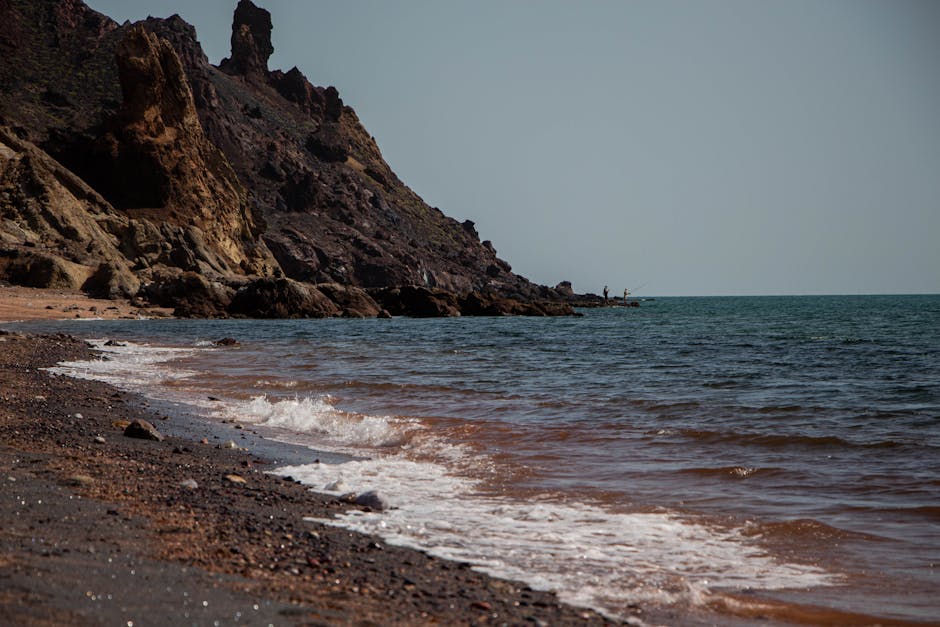
Image: GlobalBeat / 2026
Iran Strait Hormuz restrictions return as Tehran cites US trust violations
Iran reimposed maritime restrictions on vessels transiting the Strait of Hormuz Monday, citing repeated US breaches of trust in recent tanker negotiations.
State media quoted the Revolutionary Guard navy as saying commercial ships must again request prior permission before entering the waterway, revoking a waiver granted last October.
The move affects roughly 30% of global seaborne oil trade that passes through the 21-mile-wide chokepoint, raising immediate supply concerns across Asian refineries. Brent crude futures jumped $2.34 to $78.41 within minutes of the announcement.
Guard spokesperson Admiral Shahram Irani told reporters the decision followed Washington’s “unjustified seizure” of the Suez Rajan, a tanker carrying Iranian crude, off the Texas coast last week. He said the vessel remains anchored near Houston despite Tehran’s diplomatic protests.
“The United States cannot negotiate safe passage while stealing our oil in plain daylight,” Irani said during a televised briefing from Bandar Abbas. He added that Guard speedboats began radioing merchant captains early Monday with new routing instructions.
A US Fifth Fleet spokesperson, Commander Timothy Hawkins, confirmed increased radio chatter but denied any American commercial vessels had been delayed. He told GlobalBeat that coalition warships were monitoring traffic “to ensure lawful freedom of navigation.”
The British naval component of the same task force reported no incidents by midday GMT. However, Lloyd’s List Intelligence tracked at least 14 very-large crude carriers waiting outside Iranian territorial water for fresh clearance codes.
Japan’s trade ministry summoned the Iranian ambassador in Tokyo seeking clarification, fearing delays to cargoes scheduled for the world’s third-largest economy. Chief cabinet secretary Hiroshi Moriya warned after the meeting that any prolonged disruption would force Tokyo to tap its strategic reserves.
In Seoul, refiner SK Innovation told local media it was rerouting two October-loading consignments toward longer routes around Africa if restrictions persist. Each extra sailing day adds roughly $500,000 in fuel costs, analysts at Poten & Partners calculated.
European diplomats privately expressed frustration. One envoy, speaking on condition of anonymity, said EU capitals had lobbied Washington to release the Suez Rajan cargo to avoid escalation. “We foresaw this reaction,” the diplomat told GlobalBeat. “Washington preferred litigation over de-escalation.”
The US Justice Department unsealed a forfeiture complaint on 8 September alleging the oil aboard Suez Rajan was destined for China in violation of sanctions on the Islamic Revolutionary Guard Corps. Court papers valued the crude at $56 million.
Tehran and Washington had reached an unwritten understanding last autumn allowing unhindered tanker flow in exchange for Iran slowing uranium enrichment to 60% purity. International Atomic Energy Agency cameras installed at the Fordow site showed feedstock increases had paused between October and July.
IAEA director Rafael Grossi told the agency’s board Monday that enrichment rates rose again in August, though he stopped short of declaring the accord dead. “We note Iran’s stated intention to respond to external developments,” he said in Vienna.
Background
The Strait of Hormuz has been a recurring flashpoint since the 1980s “Tanker War,” when Iraq and Iran attacked merchant shipping. In 2019, explosions damaged six tankers near Fujairah and the Strait entrance; the United States blamed limpet mines planted by Iranian forces, a charge Tehran denied. One year later, Guard commandos briefly seized the British-flagged Stena Impero in retaliation for Gibraltar’s detention of an Iranian tanker.
Washington reimposed comprehensive oil sanctions in 2018 after President Trump withdrew from the Joint Comprehensive Plan of Action nuclear accord. Iranian exports collapsed from 2.5 million barrels a day to below 400,000, though covert sales later recovered near 1.5 million according to tanker-tracking estimates. Past Iranian attempts to bypass sanctions using ship-to-ship transfers or falsified documents have prompted multiple US interdictions from the Atlantic to the South China Sea.
What’s Next
Insurance syndicates at Lloyd’s of London plan emergency talks Tuesday to reassess war-risk premiums for Gulf sailings. The Joint War Committee already lists the Strait as high-risk; any upgrade could add $200,000 to the cost of moving a single cargo, consultants at S&P Global said.
Oil markets will watch Iran’s nightly export report, usually issued by local news agencies around 10 p.m. Tehran time, for clues on whether restrictions harden into full-scale escort requirements. Diplomats expect Washington to seek a closed-door UN Security Council meeting later this week, but with Russia and China holding veto powers, any resolution condemning Tehran appears unlikely.
Senior Correspondent, World & Geopolitics
Muhammad Asghar covers international affairs, conflict zones, and US foreign policy for GlobalBeat. He has reported on events across the Middle East, South Asia, and Eastern Europe, with a focus on the intersection of diplomacy and armed conflict. He has been writing wire-service journalism for over a decade.