Toxic pet flea treatment chemicals found at ‘damaging’ levels in rivers
UK rivers contaminated with toxic pet flea treatment chemicals, posing environmental risks, according to recent scientific findings.
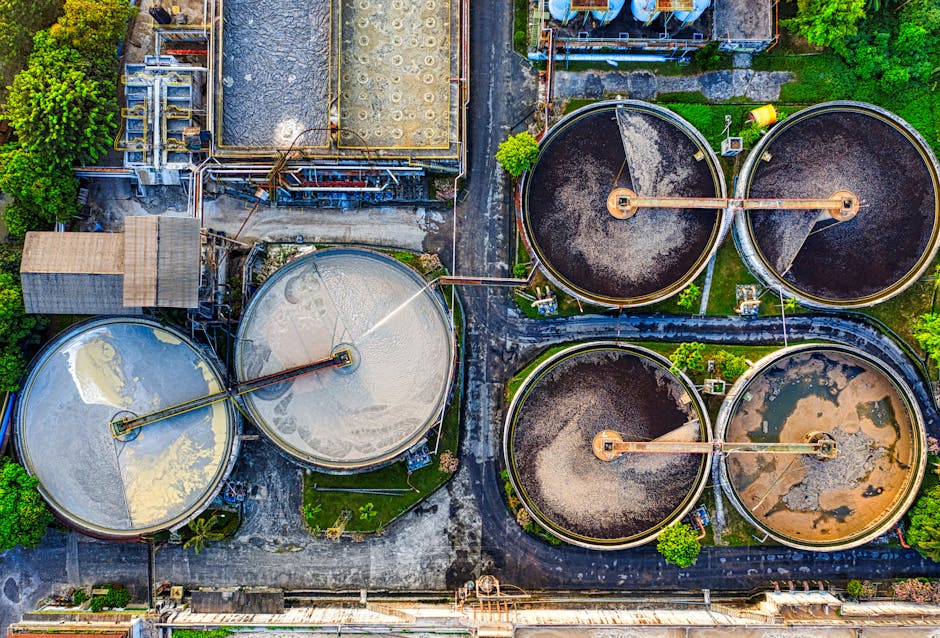
Image: GlobalBeat / 2026
TOXIC FLEA TREATMENT CHEMICALS IN RIVERS THREATEN ECOSYSTEMS
Researchers at the University of York have discovered alarmingly high levels of toxic flea treatment chemicals in rivers across the UK, posing a significant risk to aquatic life and the overall ecosystem.
SIGNIFICANT FINDINGS
Chemical residues from pet flea treatments were detected in 100 percent of sampled sites, indicating a ubiquitous presence of these contaminants. The study analyzed water from rivers and streams, revealing the extent of the environmental impact.
“The ubiquity of these chemicals in our rivers is extremely concerning,” said Dr. Emily Cartwright, the lead researcher. “They are pervasive and their persistence can lead to chronic poisoning of aquatic wildlife.”
IMPACT ON AQUATIC LIFE
These toxic flea treatment chemicals, primarily fipronil and imidacloprid, belong to a class of insecticides known to be harmful to non-target organisms. The chemicals have been linked to developmental abnormalities and population declines in fish and invertebrates.
“The concentrations we’re seeing are damaging,” Dr. Cartwright added. “We’re not just talking about a few chemicals here and there; this is a widespread issue that demands immediate attention.”
PUBLIC HEALTH CONCERNS
While the primary focus of the study is on environmental impact, public health concerns cannot be ignored. Contaminated water sources can lead to the bioaccumulation of these chemicals in the food chain, potentially affecting human health.
“The long-term exposure to these chemicals through drinking water or consumption of contaminated fish is a serious concern,” warned environmental health expert, Professor James Thompson.
CALL FOR REGULATIONS
In response to these findings, environmental groups are urging for stricter regulations on the use of pet flea treatments containing these chemicals. There is also a push for more research into alternative, eco-friendly treatments.
“Regulation is crucial to mitigate the impact of these chemicals on our rivers,” said Sarah Davis, spokesperson for the Environmental Protection Agency. “We need to act now to protect our waterways and the life they support.”
FUTURE DIRECTIONS
The study’s authors are calling for immediate action, including better monitoring of chemical runoff and the development of strategies to reduce the environmental impact of pet flea treatments. The broader implications of these findings underscore the need for a comprehensive approach to water pollution and environmental health.
“The time for debate is over,” Dr. Cartwright concluded. “We must take decisive steps to protect our rivers and the life they sustain from the harmful effects of these toxic flea treatment chemicals.”