Trump says US-Iran ceasefire still in place after exchange of fire in Strait of Hormuz
Trump says U.S.-Iran ceasefire holds despite Strait of Hormuz clash.
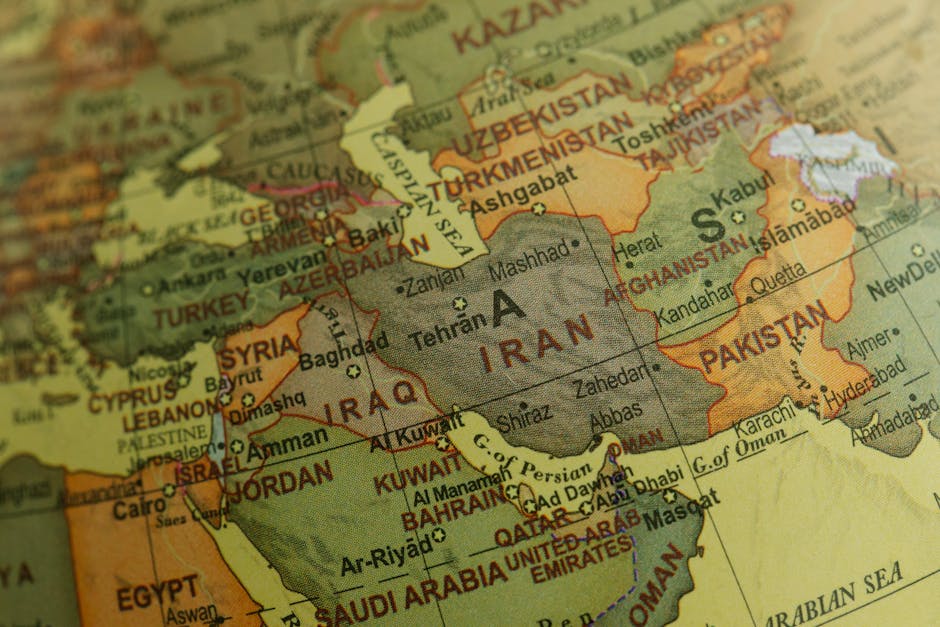
Image: GlobalBeat / 2026
US-Iran ceasefire holds despite Strait of Hormuz firefight, Trump confirms
Muhammad Asghar | GlobalBeat
The US-Iran ceasefire remains intact after both nations traded missile and drone fire near the Strait of Hormuz overnight.
President Trump said no American personnel were struck and Tehran gave “sufficient notice” that its barrage was meant as a calibrated warning, not an escalation in the 3-week-old Gulf conflict.
The exchange flared when Iran’s Revolutionary Guard launched 11 ballistic missiles and 18 drones at two oil tankers and a US destroyer guarding the waterway, according to US Central Command. The Pentagon said five projectiles were shot down, three fell short, and the rest splashed into empty sea after ships radioed to clear the targeted zones.
Tehran’s UN mission told reporters the salvo was “retaliation in kind” for an Israeli airstrike on April 29 that killed 4 Iranian sailors at Bandar Abbas. Iran had vowed to answer itself after Washington declined to restrain its ally.
Trump spoke to reporters aboard Air Force One hours later. “They tipped us off. We tipped them off. No hits, no hulls breached, no war,” he said. “The pause continues.”
The brief clash rattled energy markets already on edge since Trump ordered the USS Abraham Lincoln carrier group into the Gulf on April 12. Brent crude spiked 6 % to $91.40 before easing back to $88.30 when both sides signalled the flare-up was over.
Shipping insurers raised war-risk premiums for tankers sailing past Oman for the first time since the 2019 drone strikes on Saudi oil sites. Frontline Ltd, which operates 18 very-large crude carriers in the region, told investors daily rates had jumped 14 % overnight.
The Pentagon released cockpit footage of F/A-18 jets downing three Shahed-136 drones. Rear Admiral Sean Bailey, commanding the destroyer USS Laboon, said an Iranian patrol boat “illuminated” his bridge with a fire-control radar for 47 seconds before vanishing into Omani waters.
Oman’s foreign ministry said it had opened an emergency hotline with Tehran and Washington to prevent “miscalculation in congested sea lanes that carry 20 % of world oil.” Sultan Haitham bin Tariq dispatched his top envoy to both capitals within hours of the incident.
In Tehran, the Revolutionary Guard issued a clipped statement claiming “Operation True Promise” had achieved “the required amount of deterrence” and said troops stood down at 04:30 local time. State television replayed night-vision clips of missiles blasting off from mobile launchers in the desert south of Kerman.
Supreme Leader Ayatollah Ali Khamenei, speaking at a graduation ceremony for army officers, warned Washington that Iran retained “many more arrows in its quiver” should the United States or Israel resume strikes. “We are not seeking a wider war, but we will not bargain over our red lines,” he said.
Congressional hawks urged Trump to abandon the ceasefire that paused direct US-Iran hostilities on April 22. Senator Tom Cotton, Republican of Arkansas, said the president was “allowing Iran to shoot at us with impunity” and called for strikes on missile depots at Konarak and Jask.
Democrats argued the restraint showed the administration’s diplomacy was working. “Zero casualties, no escalation spiral,” Senator Chris Murphy of Connecticut tweeted. “That’s what measured deterrence looks like.”
European diplomats scrambled to keep the fledgling truce alive. EU foreign policy chief Kaja Kallas convened an emergency video session of Britain, France and Germany, the so-called E3 powers still party to the 2015 nuclear accord. A joint statement urged “maximum restraint” and offered to mediate maritime security talks in Muscat next week.
Russia’s foreign ministry blamed the United States for the flare-up, saying “unlimited military support for Israel invites reciprocal violence from Tehran.” Deputy Foreign Minister Sergei Ryabkov called on Washington to lift oil export sanctions if it wants Iran to dial back attacks.
China, the largest buyer of Iranian crude, stayed notably quiet. Customs data released Monday showed Beijing imported 1.1 million barrels per day from Iran in April, its highest since Trump re-imposed secondary sanctions in 2018.
Insurance executives warned another incident could choke Gulf exports. “Underwriters are pricing in a 1-in-5 chance of a tanker hit this summer,” Svein Ringbakken of Norwegian marine broker DNK told GlobalBeat. “If that happens, charterers will divert around the Cape of Good Hope and add 15 days to every Asia-bound cargo.”
Background
The US and Iran walked to the brink of open war three weeks ago after an Israeli rocket killed 19 Revolutionary Guard officers at Syria’s T-4 base. Iran answered with a drone wave that damaged the US base at al-Tanf and killed 2 American contractors. Trump ordered retaliatory strikes on April 15 that destroyed Iranian radar sites at Abu Musa island and battered Syria’s Palmyra airfield.
After Oman-mediated talks, both sides agreed on April 22 to halt direct attacks while leaving Israel and Iran’s proxies to “settle their own scores,” according to a US official who asked not to be named. Tanker traffic through Hormuz resumed and oil prices slid 9 % in relief.
Yet the truce never covered the Islamic Republic’s insistence on punishing Israel for the Bandar Abbas raid. Tehran signalled last week it would act “within the maritime domain” to avoid triggering the US red line protecting American troops.
Washington’s 2,000 troops in Syria and 15,000 sailors in the Gulf therefore stayed on high alert. CENTCOM moved Patriot batteries into Kuwait and placed a second destroyer, the USS Nitze, inside the strait to thicken air defences.
What’s Next
Oman has invited Iranian and US naval officers to a technical meeting Wednesday aimed at establishing “ship-to-ship communications protocols” to prevent a repeat clash. Officials in Muscat said they expect both sides to attend, though Washington still refuses direct contact and will relay messages through Omani intermediaries.
Congress is due to receive a classified briefing Tuesday on Gulf rules of engagement. Defense Secretary Pete Hegseth is expected to propose looser authority for local commanders to return fire if Iranian forces paint American ships with targeting radar again.
Brent crude will likely test $90 again if any vessel reports hull damage this week. Analysts at Citigroup warn insurance exclusions could trigger a de-facto blockade even without further shooting.
The brief firefight leaves Trump juggling election-year promises to end Middle East wars against Republican pressure to hit back harder. With the ceasefire intact but fragile, the next seven days could decide whether Hormuz remains open to global trade or slides back into a shooting gallery.
Senior Correspondent, World & Geopolitics
Muhammad Asghar covers international affairs, conflict zones, and US foreign policy for GlobalBeat. He has reported on events across the Middle East, South Asia, and Eastern Europe, with a focus on the intersection of diplomacy and armed conflict. He has been writing wire-service journalism for over a decade.