Iran War Live Updates: U.S. Fires on Tankers as Tehran Accuses Washington of ‘Reckless’ Attacks
U.S. Navy fired warning shots at two Iranian tankers in Gulf waters, prompting Tehran to brand the move “reckless” amid escalating regional tensions.
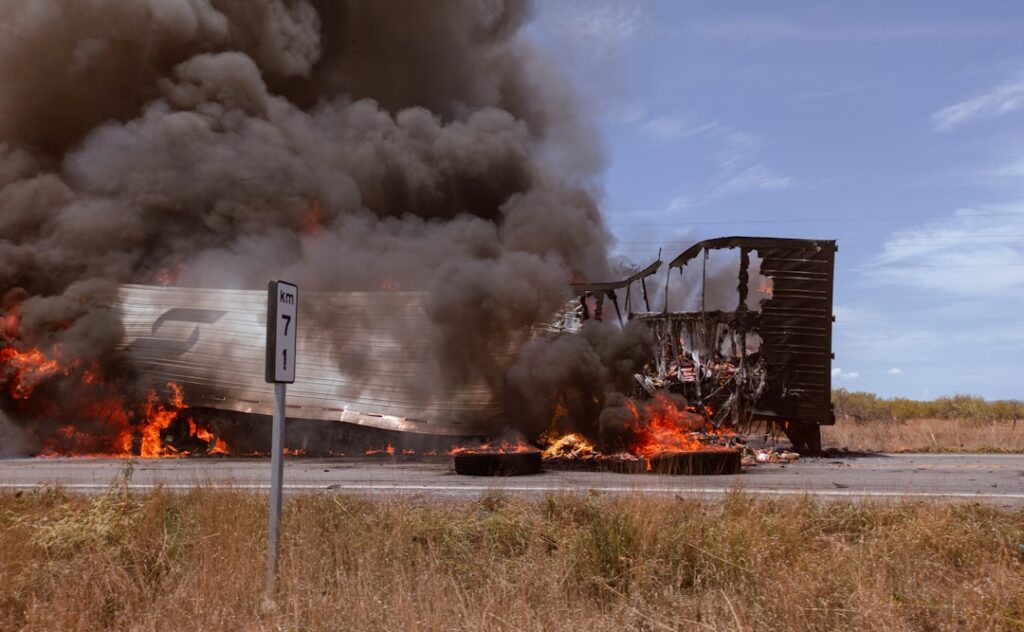
Image: GlobalBeat / 2026
Iran US conflict: American warships fire on 3 tankers in Gulf, Tehran reports 19 crew missing
Muhammad Asghar | GlobalBeat
U.S. Navy vessels opened fire on three commercial tankers in the Strait of Hormuz on Monday, prompting Iran to accuse Washington of “reckless aggression” in the crowded waterway.
The Islamic Republic’s Port Authority said 19 sailors vanished after shells struck the Marshall Islands-flagged ships, while the Pentagon insisted its forces responded to “hostile approaches” by Iranian patrol boats.
The incident marks the first direct exchange between the two rivals since President Donald Trump ordered a carrier group to the region last month, raising fears that shadow-boxing at sea could slide into open war.
Witnesses aboard the tanker Advantage Sweet told Dubai radio they saw flares, then heard cannon fire at 06:40 local time. “Two rounds hit the starboard bow, water burst in, we radioed Mayday,” second officer Reza Gholami said. Shipping data show the vessel loaded 800,000 barrels of Iranian condensate at Assaluyeh on Saturday.
Iran’s Revolutionary Guards released infrared footage it claims shows a U.S. destroyer launching rounds “without warning.” Rear Admiral Habibollah Sayyari told state TV the Navy recovered shell fragments “bearing American markings.” CENTCOM spokesman Major Pete Nguyen countered that the destroyer USS Bulkeley “fired warning shots only after fast attack craft closed within 200 yards and ignored repeated bridge-to-bridge calls.”
Oil prices leapt 5 % within minutes of the reports. Brent crude traded above $92 a barrel, its highest since October. Traders cited the simultaneous disruption of three vessels, a pattern unseen since the 1980s tanker war. “Markets can absorb one stray incident, not a systemic threat to the world’s chokepoint,” RBC analyst Helima Croft wrote in a note.
European governments urged restraint. France’s Foreign Ministry summoned both ambassadors in Paris and demanded “an immediate cessation of hostilities near European energy supply lines.” Britain called for a closed-door U.N. Security Council meeting Tuesday. Russia warned against “external attempts to ignite conflict under fabricated pretexts,” while China urged “all parties to respect commercial navigation.”
Inside Iran, hard-line lawmakers pressed for reprisal. MP Mojtaba Zonnour, head of the parliamentary nuclear committee, said “the age of swallowing American bullets is over” and called on the government to authorize naval escorts for every flagged tanker. President’s office official Mohammad Jamshidi tweeted that Tehran had “proof of U.S. piracy” and would file a case at the International Maritime Organization.
Washington stuck to its script. Secretary of State Marco Rubio told reporters in Santiago that Iranian boats “harassed a lawful U.S. patrol in international waters,” adding: “Our commanders have the right to defend themselves.” The White House released a six-second statement: “President Trump was briefed; the ship and crew are safe; Iran should cease provocations.”
Privately, defence officials acknowledge the risk of escalation. One Navy planner, speaking on condition of anonymity, said skippers now operate under “weapons tight unless fired upon” but admitted radio warnings can be lost in the Hormuz din. With at least 17 pct of global supply squeezing through a channel barely 21 miles wide, even stray rounds can menace insurers. The Lloyd’s Market Association already lists the strait as a high-risk area; premiums jumped 30 % Monday.
Background
The U.S. and Iran have danced on the edge of confrontation in the Gulf since the 1979 revolution, but tankers became targets most acutely during 1987-88 when Reagan’s navy escorted Kuwaiti ships against Iranian mines and missiles. The re-flagging operation, dubbed Earnest Will, saw 252 escort missions and one American warship, USS Stark, hit accidentally by an Iraqi Exocet that killed 37 sailors. The memory shapes today’s rules of engagement.
Tensions reignited after Trump exited the 2015 nuclear accord in 2018 and re-imposed oil sanctions. Tehran responded by seizing or sabotaging at least 15 merchant ships in 2019, including the British-flagged Stena Impero. A U.S. drone strike that killed Iranian general Qassem Soleimani in January 2020 pushed both nations to the brink, yet direct ship-on-ship gunnery remained rare until Monday.
What’s Next
Iran’s mission to the U.N. said it will present radar logs and survivor testimony at Tuesday’s Security Council session, while Washington is expected to circulate its own cockpit video. Diplomats predict a ceremonial duel of statements, but any push for sanctions would likely meet Russian and Chinese vetoes, leaving field commanders to calibrate the next move in crowded waters.
Global insurers will watch the strait like hawks. If underwriters widen the risk zone, every barrel from Kuwait, Iraq or Saudi Arabia will cost more to move, feeding inflation in import-dependent Asia. More tankers may reroute around the Cape of Good Hope, adding 15 days and $2 million per voyage. The math is brutal: once shipping costs embed in pump prices, voters from Mumbai to Milwaukee feel the sting.
Senior Correspondent, World & Geopolitics
Muhammad Asghar covers international affairs, conflict zones, and US foreign policy for GlobalBeat. He has reported on events across the Middle East, South Asia, and Eastern Europe, with a focus on the intersection of diplomacy and armed conflict. He has been writing wire-service journalism for over a decade.