Live Updates: Iran threatens to “teach a lesson” if U.S. attacks, Trump says ceasefire is “on life support”
Iran vows retaliation if the U.S. strikes, as Trump says the Gaza ceasefire is on life support.
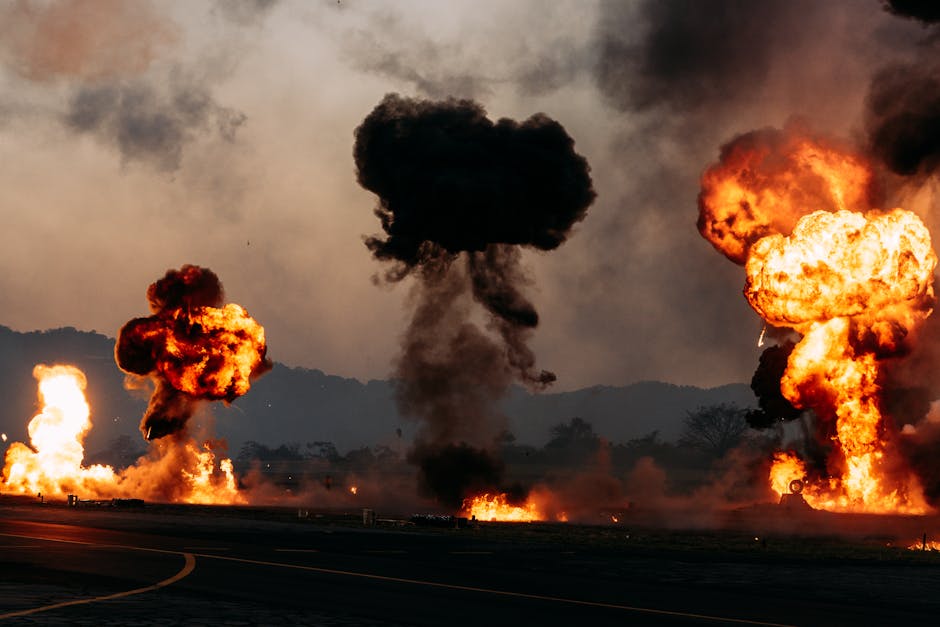
Image: GlobalBeat / 2026
Iran war: Tehran vows to “teach a lesson” as Trump declares ceasefire “on life support”
Muhammad Asghar | GlobalBeat
Iran threatened immediate retaliation against U.S. forces Thursday if Washington launches strikes, hours after President Donald Trump declared the Gaza cease-fire “on life support.”
Iranian Foreign Ministry spokesperson Isna Kermani told reporters in Tehran that any American attack “will be met with a decisive response that will teach a lesson to the aggressors.”
The warning landed as U.S. warships steamed toward the eastern Mediterranean and satellite images showed Iranian Revolutionary Guard vessels loading missile containers at Bandar Abbas. Oil prices jumped 4.2% within minutes of Kermani’s remarks.
Trump, speaking to reporters outside the White House before boarding Marine One, blamed Iran for renewed rocket fire from Gaza that killed 2 Israeli civilians early Thursday. “They’re pulling the strings,” he said. “The cease-fire is on life support and Iran holds the plug.”
Defense Secretary Pete Hegseth confirmed the Pentagon has presented “kinetic options” to the president but declined to detail targets or timing. Two U.S. officials, speaking on condition of anonymity, said cruise-missile strikes against IRGC bases in Syria and possibly inside Iran itself remain under active review.
Iran’s United Nations envoy, Amir Saeid Iravani, wrote to the Security Council overnight demanding an emergency session and warning that “any miscalculation will plunge the entire region into uncontrollable conflict.” The council scheduled closed-door talks for Friday morning.
Brent crude surged to $82.70 a barrel, its highest since November, while the Israeli shekel slid 1.8% against the dollar. Airlines rerouted Asia-Europe flights away from Iranian airspace, adding up to 90 minutes to some schedules.
Israeli Prime Minister Benjamin Netanyahu convened his security cabinet for a second consecutive night. A statement released after midnight said ministers “endorsed preparedness for every scenario” but did not authorize new operations.
Rocket sirens sounded again at dawn in the southern Israeli cities of Ashkelon and Sderot. The military said 8 projectiles were fired from Gaza; 6 were intercepted. There were no new casualties.
Tehran’s threat mirrors language it used in April 2025 when a U.S. drone strike killed IRGC commander Mohammad Reza Zahedi in Damascus. Iran responded then with a 48-hour barrage of more than 300 missiles and drones against Israeli bases, the largest direct attack in the two nations’ history.
Background
Washington and Tehran have edged closer to open conflict since Trump returned to the White House in January 2025 vowing to cut Iran’s oil exports to “zero.” He reimposed sanctions within days and authorized the Navy to seize tankers suspected of violating the embargo. Iranian forces have answered with ship-boardings in the Strait of Hormuz and rocket attacks on U.S. garrisons in Iraq and Syria that have wounded 9 American personnel this year.
The Gaza cease-fire brokered by Egypt and Qatar in March had quieted the northern front for six weeks, allowing 70% of displaced Israelis to return home and permitting the first commercial shipments into the enclave since the war began. But the truce began fraying last weekend after an Israeli raid in Jenin killed 3 Palestinians that Israel said were planning a major bombing. Hamas spokesmen vowed reprisals; rockets followed within 48 hours.
What’s Next
U.S. officials expect a White House decision on military action before dawn Friday, when a carrier group led by the USS Harry S. Truman arrives within strike range. European diplomats at the United Nations are circulating a draft resolution demanding an immediate cessation of hostilities and the release of all remaining Israeli hostages, hoping to head off unilateral American strikes.
Energy analysts warn that even limited U.S. strikes could push oil past $90 if Iran follows through on threats to mine the strait, through which 20% of global supply travels. Airlines have already begun fuel surcharges; Emirates and Qatar Airways said longer routings will add $600,000 per day in costs.
The coming hours hinge on whether Netanyahu, under pressure from his far-right coalition partners, green-lights a pre-emptive Israeli move or waits to see if Trump acts first. Either path risks the first direct U.S.-Iran shooting war since 1988, a calculus both capitals say they want to avoid yet appear powerless to escape.
Senior Correspondent, World & Geopolitics
Muhammad Asghar covers international affairs, conflict zones, and US foreign policy for GlobalBeat. He has reported on events across the Middle East, South Asia, and Eastern Europe, with a focus on the intersection of diplomacy and armed conflict. He has been writing wire-service journalism for over a decade.