Live Updates: Iran says it’s ready to repel new U.S. attack with peace talks stalled as Trump arrives in China
Iran warns it will counter any U.S. strike as diplomacy stalls; Trump lands in Beijing.
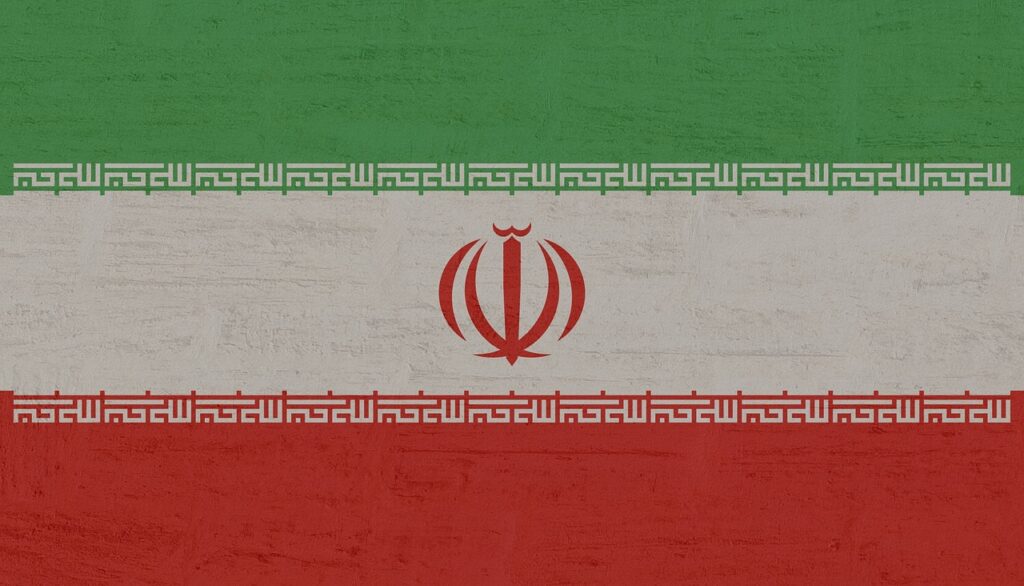
Image: GlobalBeat / 2026
Iran US tensions: Tehran warns it will repel any American strike as Trump lands in Beijing
Muhammad Asghar | GlobalBeat
Iran’s military commander said Monday his forces are prepared to counter any U.S. attack, hours before President Donald Trump touched down in Beijing for talks with Chinese leader Xi Jinping.
The warning came as indirect negotiations between Washington and Tehran over Iran’s nuclear program remained stalled, and U.S. officials privately warned allies that “all options” remain on the table.
The timing sharpened the stakes. Trump arrived in the Chinese capital seeking Xi’s help to pressure Iran, even as Tehran’s drills and rhetoric escalated. Iranian state television showed missile units, speedboats and air-defense batteries rehearsing what commentators called “a crushing response to aggression.”
Major General Mohammad Bagheri, chief of Iran’s armed forces, told reporters in Tehran that any American strike would meet “a decisive and regrettable answer.” He spoke after the Islamic Revolutionary Guard Corps wrapped up three days of exercises across the Strait of Hormuz, through which one-fifth of global oil trade passes.
“We are not looking for war, but we are fully ready to defend the nation,” Bagheri said, according to the official IRNA news agency. The maneuvers included shore-to-sea missile launches, drone swarms and naval mine-laying by fast attack craft, state media reported.
Washington gave no immediate reply. A Pentagon spokesman had said Friday the United States “retains the right to protect its forces and interests,” but offered no fresh deployment numbers. The Navy’s Bahrain-based Fifth Fleet keeps a carrier strike group and at least one amphibious ready group in the region year-round.
Privately, three diplomats told GlobalBeat that U.S. envoys briefed European and Gulf counterparts last week on possible responses if Iran enriches uranium to weapons-grade levels. One diplomat, speaking on condition of anonymity, said the briefings included “kinetic scenarios,” shorthand for air or naval strikes.
Oil markets blinked. Brent crude rose $2.41 to $78.63 a barrel in London trading, its biggest one-day gain since March. Analysts at Clearview Energy Partners wrote clients that “the option value of geopolitical risk is back,” noting Iran’s simultaneous threats to shipping lanes.
Iran’s currency, the rial, slid to 645,000 against the dollar on the unofficial market, a record low that traders blamed on war chatter and fresh U.S. banking restrictions announced Friday. The central bank tried to steady nerves by injecting hard-currency reserves, but exchange apps in Tehran still flashed the new rate.
Inside Iran, the mood turned wary. Shopkeepers in the capital reported panic buying of rice, cooking oil and gasoline, even though officials insist stockpiles are ample. “People remember 2019, when missiles nearly flew,” said Reza, 48, who runs a grocery in east Tehran and gave only his first name. “They don’t want to be caught short again.”
The nuclear standoff drives the tension. Iran has enriched uranium to 60 percent purity, a short technical hop from bomb-grade, and bars inspectors from key sites. The U.N. atomic agency said last week Tehran now holds enough material for “several” nuclear devices if it chose to weaponize.
Trump withdrew the United States from the 2015 nuclear deal in 2018 and reimposed sweeping sanctions. President Joe Biden tried to revive the pact, but talks collapsed in 2022. Since returning to office in January 2025, Trump has tightened the economic squeeze, targeting Chinese firms that buy Iranian oil.
Beijing remains Tehran’s top customer, taking more than 1 million barrels a day, most of them discounted and off the books. Iranian officials hope Xi can act as a buffer. Foreign Minister Abbas Araghchi flew to Beijing last week to plead for “greater strategic coordination,” though Chinese diplomats offered only boiler-plate support for diplomacy.
Trump’s agenda in Beijing centers on trade and Taiwan, yet Iran looms large. A senior administration official told reporters aboard Air Force One the president would ask Xi to “choke off” Iranian oil revenue. The official, who spoke under ground rules forbidding identification, said “progress on that front could avoid more dramatic steps.”
Analysts doubt China will comply. “Xi needs cheap energy and a thorn in America’s side,” said Hasan Alhashem, a Gulf researcher at the International Institute for Strategic Studies. “He’ll promise gestures, not enforcement.”
Israel watches closely. Prime Minister Benjamin Netanyahu told cabinet ministers Sunday that Israel “backs totally” U.S. pressure and is updating contingency plans. Israeli jets struck Iranian-linked sites in Syria twice last week, killing 11 fighters, according to the Syrian Observatory for Human Rights.
European powers urged restraint. The European Union’s top diplomat, Kaja Kallas, called for “maximum diplomacy” and warned that “any miscalculation could ignite a region-wide fire.” Britain and France so far back extending a U.N. arms embargo on Tehran due to expire in October, a move Russia and China oppose.
Russia, itself at war in Ukraine, courted Iran with talks on drone supplies and banking channels. Deputy Prime Minister Alexander Novak visits Tehran on Tuesday to discuss swapping Iranian oil for Russian goods, diplomats said. Such barter deals could soften the blow of tighter U.S. sanctions.
In Washington, some lawmakers push for a tougher line. Senator Tom Cotton introduced legislation Monday that would authorize the president to use force if Iran enriches above 90 percent. The bill faces slim odds in the narrowly divided Senate, but signals a war-weary legislature hedging its bets.
Background
The United States and Iran have had no formal diplomatic ties since 1980, after Iranian students seized the U.S. embassy in Tehran and held 52 Americans hostage for 444 days. Since then, relations have seesawed between cold war and open confrontation, including the 1988 U.S. naval strikes on Iranian platforms, the 2020 drone killing of Revolutionary Guard commander Qasem Soleimani, and tit-for-tat shipping attacks in the Gulf.
The 2015 nuclear accord offered a brief thaw, limiting Iran’s enrichment in exchange for sanctions relief. But Trump’s 2018 exit re-imposed banking and oil embargoes that cratered Iran’s economy, slashing its crude exports from 2.5 million barrels a day to under 400,000. Tehran responded by breaching enrichment limits and harassing commercial shipping, raising fears of a shadow war that could erupt into full conflict.
What’s Next
Iran’s parliament votes next month on a bill that would bar U.N. inspectors entirely if European powers back extending the arms embargo. In Beijing, Xi is expected to offer Trump token pledges on Iranian oil, but diplomats say enforcement will be weak unless Washington eases tariffs on Chinese goods. Meanwhile, the Pentagon has ordered the carrier USS Theodore Roosevelt to remain in Gulf waters beyond its scheduled departure, ensuring at least one flotilla stays within striking distance of Iran’s coast.
The real flashpoint may come in late summer, when nuclear officials estimate Tehran could edge even closer to weapons-grade material. If that happens, Israel — and possibly the United States — may decide the gamble of waiting outweighs the risks of acting.
Senior Correspondent, World & Geopolitics
Muhammad Asghar covers international affairs, conflict zones, and US foreign policy for GlobalBeat. He has reported on events across the Middle East, South Asia, and Eastern Europe, with a focus on the intersection of diplomacy and armed conflict. He has been writing wire-service journalism for over a decade.