Why Iran’s Kharg Island is so important
Trump announced U.S. forces struck Iran’s “crown jewel” Kharg Island, the Persian Gulf’s main oil-export terminal.
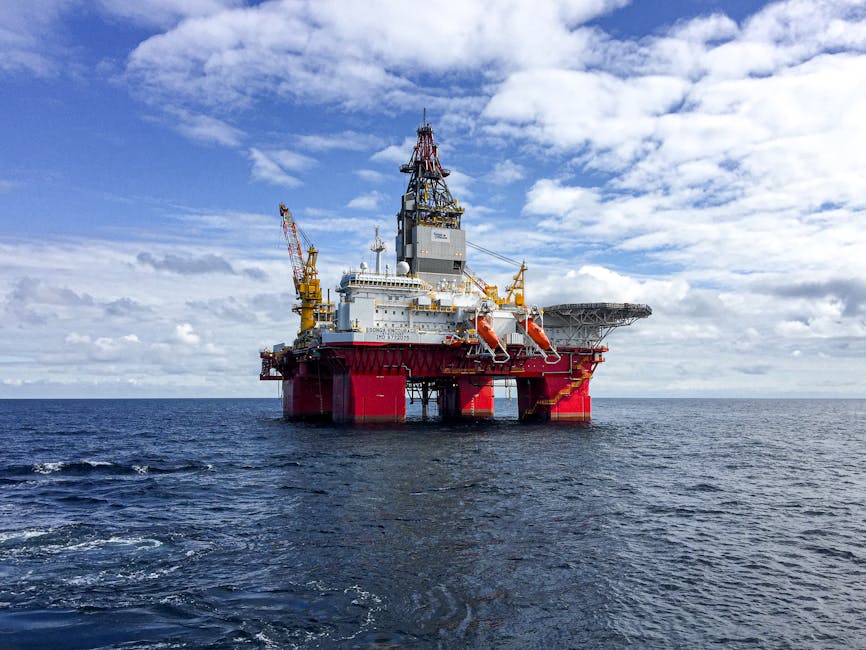
Image: GlobalBeat / 2026
Trump strikes Iran’s Kharg Island oil terminal
US forces hit the small Persian Gulf island that handles most of Iran’s crude exports
Muhammad Asghar | GlobalBeat
• Kharg Island loads 90% of Iran’s seaborne crude, around 1.5 million barrels a day
• Tehran has no comparable deep-water replacement; insurance rates for Gulf shipping spike immediately
• US Central Command confirms Friday precision raid; Iran’s oil ministry silent so far
• Tanker trackers expect loading halt of at least 72 hours; Asian refiners scramble for alternatives
• 1980s tanker-war saw similar strikes, cutting Iran’s exports by half for months
Four US fighter jets punched through night clouds over the Persian Gulf on Friday and struck Kharg Island, the pin-prick of land that pumps the lifeblood of Iran’s sanctioned oil trade.
The raid, confirmed minutes later by Donald Trump on social media, landed on the steel decks of the world’s largest offshore crude terminal, instantly jolting global energy markets and reviving memories of the 1980s “tanker war” when similar attacks throttled Tehran’s exports.
A single jetty, 90% of Iran’s sea exports
Kharg’s 3 km-long T-shaped jetty can berth tankers up to 330,000 tonnes, making it one of the few Gulf points able to load very-large crude carriers without lightering. Satellite imagery shows seven storage tanks, each the size of a football field, feeding two pipelines that run the island’s length. Roughly nine out of every ten barrels Iran sells abroad—mostly to China, Syria and clandestine buyers—leave through this spout. Overnight the flow stopped: ship-tracking firm Vortexa listed 11 laden tankers drifting in nearby waters, AIS transponders dark, as captains waited for damage reports.
Why Washington calls Kharg the “crown jewel”
Trump used the phrase in his post-strike statement, echoing briefings that describe the outcrop as Tehran’s fiscal jugular. Sanctions have already shaved official exports to about a fifth of 2018 levels, yet Kharg’s deep berths and redundant pipelines let Iran move roughly 1.5 million barrels a day off the books via ship-to-ship transfers. Overnight price charts registered the vulnerability: Brent crude leapt $4.32 to $88.74, its biggest spike since the Ukraine invasion. Analysts at Clearview Energy Partners note a three-week outage would strip roughly 30 million barrels from a market already facing OPEC+ cuts.
No quick Plan B for Tehran
Iran’s mainland ports—Bandar Mahshahr, Bandar Abbas—sit in shallow water that forces partial loading at anchor, adding days and insurance premiums. Plans to shift exports to Jask on the Sea of Oman remain unfinished; the 1,000 km backup pipeline is only half full. “Kharg is not just convenient, it is existential,” said a Tehran-based shipping agent who asked not to be named. “If the jetty is down more than a week they’ll have to float storage, discount heavier, or literally barter oil for gasoline.”
Insurance surge ripples to Asian refiners
War-risk underwriters in London hiked premiums for any hull calling at Iranian ports to 2.5% of cargo value, five times Thursday’s rate. Indian state-refiner MRPL already asked Russian suppliers for extra Urals cargoes, while South Korea’s SK Innovation is weighing emergency releases from strategic stocks. China, the lone big buyer of Iranian crude, can absorb discounted barrels at its Teapot refineries, but even PetroChina is reportedly seeking written guarantees that Jones Act tankers will not enter the firing line.
Cold calculation or election beacon?
Friday’s strike came hours after Trump boasted at a New Hampshire rally that he would “turn off Iran’s cash spigot in one night.” US Central Command described the mission as a “proportionate response to recent militia drone attacks” on American bases in Iraq, yet officials privately admit Kharg had been on target lists since 2019. The timing, less than forty days before the Iowa caucuses, revives debate over national-security decisions synched to domestic politics. Either way, the Pentagon released cockpit video showing two GBU-31 bombs impacting the main loading arm, a precision designed to cripple, not sink, infrastructure.
But the challenge runs deeper than a single sortie. Previous administrations shunned striking Kharg precisely because Tehran has no equivalent outlet; a prolonged outage could push global prices above $100, undermining Western inflation fights. By choosing the “crown jewel,” Washington signals sanctions enforcement is again kinetic, not just bureaucratic.
In Kharg’s dockside village of 450 residents, most employed by the oil terminal, families woke to thunder and fire, then power failure. “We thought it was an earthquake,” said a schoolteacher who gave only her first name, Sara. Hours later her husband, an instrumentation technician, was ordered to inventory leaks; until then their monthly ration of staple rice, paid in crude-tied credits, is suddenly uncertain. Across the Gulf, petrol stations in Dubai kept calm, but Sri Lanka, which owes Tehran $250 million for past oil, frets that deferred shipments could further drain Colombo’s scant dollar reserves.
Elsewhere in the region, Israel has long urged tougher action on Iranian oil sales financing proxies from Lebanon to Yemen. Hours after the raid, Prime Minister Benjamin Netanyahu’s office issued a one-line statement backing “all measures that choke Iran’s war machine.” Meanwhile, European diplomats at the IAEA board meeting in Vienna warned that economic strangulation risks pushing Tehran to expel nuclear inspectors, complicating already stalled talks. Even Saudi Arabia, which quietly welcomed past sanctions, now eyes $90 oil nervously as Riyadh balances fiscal needs against global recession fears.
Next in the firing line are insurance renewals due Monday. If underwriters refuse to reinstate cover without US naval escorts, Iran faces a de-facto blockade it cannot litigate. Tanker analysts expect Tehran to test the waters—literally—by dispatching a shadow-fleet tanker toward China within 48 hours to gauge Washington’s appetite for follow-up strikes. Winter heating demand peaks in January; any supply gap then will be felt from Seoul to Stuttgart.