Middle East crisis live: Iranian official claims strait of Hormuz open to all but ships of ‘enemy’ countries
Iran says Hormuz remains open to global shipping except vessels linked to enemy states, raising new Middle East tension.
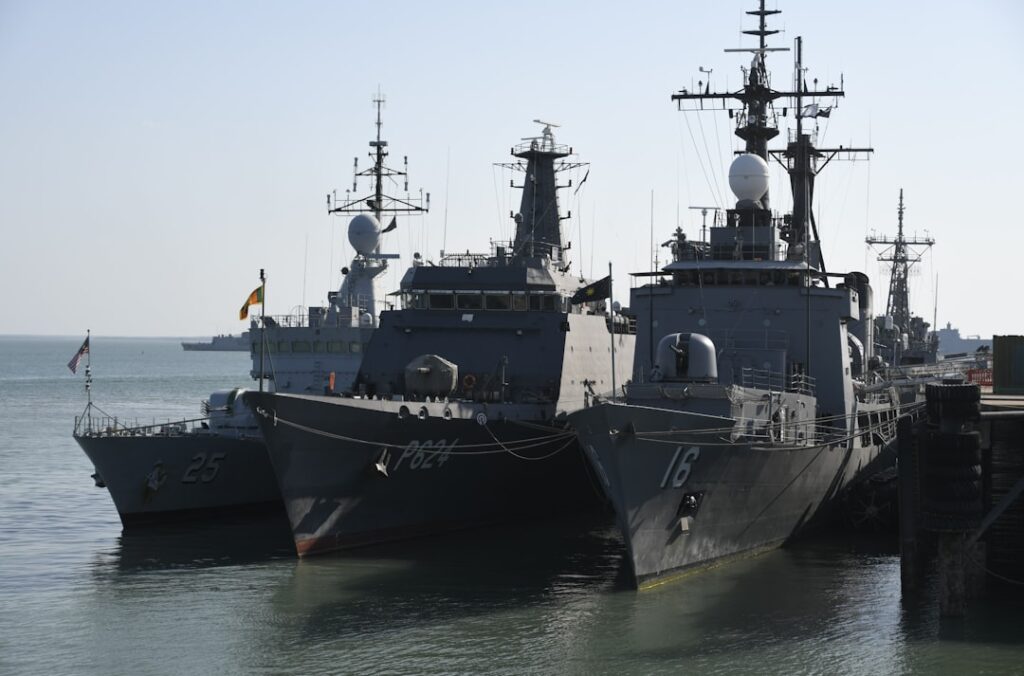
Image: GlobalBeat / 2026
Iran Hormuz warning: Official vows to bar ‘enemy’ ships from strait
By Muhammad Asghar | GlobalBeat
An Iranian official said Tehran would block enemy-flagged vessels from using the Strait of Hormuz while allowing others safe passage.
The statement marked the first explicit threat from Iran to discriminate shipping traffic by flag since U.S. sanctions snapped back in 2018.
The strait carries 20 percent of global oil trade, and any selective ban would breach international maritime law guaranteeing freedom of navigation.
Alireza Tangsiri, naval commander of the Revolutionary Guards, told Fars News late Tuesday that “ships of enemy countries will not be allowed” to transit the 21-mile-wide chokepoint. He did not name specific states but Tehran routinely labels the United States, Britain and Israel as enemies.
Oil prices rose 1.8 percent within minutes of the remarks, extending a three-day rally that has pushed Brent crude to $93 a barrel.
Tangsiri said Iranian navy and Guards units would “identify and escort” neutral tankers while detaining those “linked to hostile governments.” He gave no timeline for implementation and did not say how crews would be warned or vessels impounded.
His comments followed the seizure of the Marshall Islands-flagged tanker Advantage Sweet by Guards speedboats on April 27 as it transited Hormuz. The vessel, chartered by Chevron, remains anchored off Bandar Abbas with 24 Indian and Sri Lankan crew on board.
The United States maintains a carrier strike group in the Gulf, and the Pentagon said any interference with commercial shipping would “elicit an appropriate response.”
Shipping associations reacted cautiously. The International Chamber of Shipping, representing 80 percent of the world fleet, told members to “review security plans” but kept the strait’s threat level unchanged.
Bab el-Mandeb trade disrupted last month
Iran’s warning echoes disruptions across the Red Sea, where Yemen’s Iran-backed Houthis have launched 27 drone and missile attacks on merchant vessels since November. Traffic through nearby Bab el-Mandeb has fallen 40 percent, forcing rerouting around the Cape of Good Hope and adding 10 days to Asia-Europe voyages.
Tangsiri claimed Iran had “no quarrel” with global trade and accused the United States of militarising the waterway by deploying “nuclear-capable bombers” at Al Udeid air base in Qatar.
U.S. Central Command said two B-1 bombers landed in the region on May 4 for a pre-planned exercise with regional partners.
European diplomats urged restraint. A German foreign ministry spokesman said freedom of navigation is “non-negotiable” and any impediment would “trigger a unified EU response.”
France’s defence minister told C News that the 650-strong European-led naval mission, Operation Agenor, would “escort European-flagged vessels if requested.”
China, largest buyer of Iranian crude at 1.1 million barrels per day, called for “calm and dialogue.” Foreign ministry spokesman Wang Wenbin said Beijing “opposes any unilateral action that undermines energy security.”
India’s oil ministry held an emergency meeting on Wednesday to review stockpiles that cover 64 days of imports, officials told Reuters.
Insurance markets tightened. The Lloyd’s Market Association added Oman and UAE waters adjoining Hormuz to its listed high-risk area, meaning hull premiums could jump 50 percent for voyages calling at Fujairah or Sohar.
Background
Iran has threatened the strait repeatedly since the 1980s “tanker war” phase of its conflict with Iraq. In July 2019 the Guards seized the British-flagged Stena Impero for two months after UK forces detained an Iranian tanker off Gibraltar. In 2012 Tehran floated a similar flag-based ban during European oil embargo talks but never enforced it.
The 1982 United Nations Convention on the Law of the Sea guarantees transit passage through straits used for international navigation, a provision the United States and its allies cite to justify naval patrols.
What’s Next
The International Maritime Organization convenes an emergency session in London next week at the request of Panama, Liberia and the Marshall Islands, the three largest flag registries, to address rising attacks in both Hormuz and the Red Sea.
Any selective Iranian ban would confront insurers, charterers and navies with a legal and operational maze, raising odds of military confrontation while inflating global energy costs already lifted by OPEC cuts and Russian sanctions.