Live updates: US rescues 1 of 2 crew members from fighter jet downed over Iran, sources say
U.S. forces rescued one crew member after a fighter jet went down over Iran; the second airmans status remains unknown, officials told Reuters.
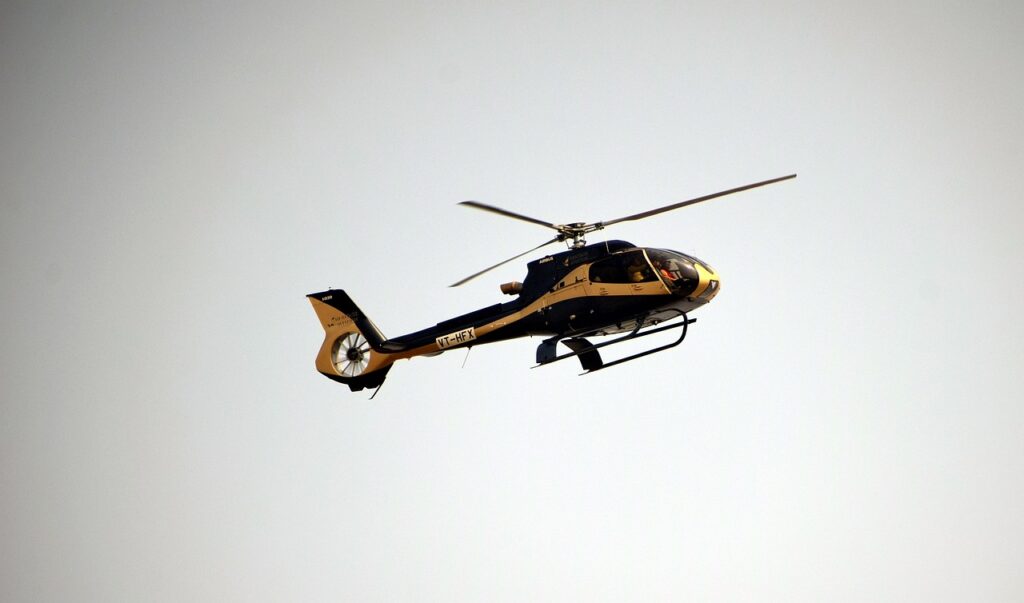
Image: GlobalBeat / 2026
**US fighter jet Iran: Military rescues 1 crew member after aircraft downed, second pilot missing**
Muhammad Asghar | GlobalBeat
US forces rescued one crew member from a fighter jet shot down over Iranian territory while the second pilot remains missing, according to defense sources.
The military operation retrieved the airman from hostile territory overnight, though officials withheld details about the service member’s condition and the aircraft type involved.
The incident marks the first US combat aircraft loss over Iran since tensions escalated in the region, raising immediate questions about mission objectives and Iranian air defense capabilities that downed the jet.
US Central Command confirmed the rescue operation occurred “under fire” but provided no timeline for when the aircraft went down or its original mission parameters. The Pentagon declined to specify whether the jet was conducting offensive operations or surveillance when hit. Defense Secretary Pete Hegseth briefed President Trump on the situation within hours of the rescue, according to White House officials who requested anonymity to discuss sensitive military matters.
Iranian state media claimed their forces shot down an “American aggressor aircraft” violating Iranian airspace, though Tehran released no evidence to support the assertion. The IRNA news agency quoted an unnamed Revolutionary Guard commander saying the wreckage landed in mountainous terrain near the border. US officials neither confirmed nor denied Iranian claims about aircraft type or mission purpose, maintaining operational secrecy about the incident.
The rescued crew member underwent initial medical evaluation at a US facility in the region before transport to Germany for further treatment, sources familiar with the operation told reporters. Military search teams continue operations to locate the missing pilot, though weather conditions and hostile territory complicate recovery efforts. The Defense Department notified both crew members’ families within 24 hours of the incident, standard protocol for potential prisoner of war situations.
Regional military analysts noted the incident occurs during heightened US-Iran tensions following recent naval confrontations in the Persian Gulf. “Any US aircraft penetrating Iranian airspace represents a significant escalation,” said retired Air Force Colonel Sam Parker, now with the Middle East Institute. “The real question is whether this was authorized reconnaissance or something more offensive.” Previous US operations over Iran utilized unmanned drones, making manned aircraft losses particularly sensitive.
International responses remained measured as governments awaited official details. NATO headquarters acknowledged awareness of “reports regarding a US aircraft incident” but deferred to American authorities. Russia’s foreign ministry called for “restraint from all parties” while China urged “dialogue over military confrontation.” Neither ally issued statements backing US operations, reflecting global uncertainty about American intentions toward Iran.
Background
US-Iran military confrontations have intensified since 2020, when an American drone strike killed Iranian General Qasem Soleimani in Baghdad. Tehran responded with missile attacks on US bases in Iraq, causing traumatic brain injuries to over 100 service members. The cycle of retaliation established patterns of limited strikes and counterstrikes that both sides claimed concluded hostilities, though tensions simmered beneath surface diplomacy.
Aircraft losses carry particular significance given Iran’s advanced Russian-supplied air defense systems. Tehran operates S-300 batteries capable of engaging aircraft at high altitudes, plus domestically produced copies of American systems captured during previous incidents. US pilots train extensively on evading these systems, but successful downing suggests either Iranian capability improvements or American operational vulnerabilities that military planners must address.
What’s Next
The missing pilot’s fate dominates immediate military planning, with rescue operations continuing alongside diplomatic channels through Swiss intermediaries who represent US interests in Tehran. Pentagon officials prepare for potential hostage negotiations if Iran captures the airman, while readying retaliatory options should the crew member face execution or public display. President Trump’s response will test his administration’s Iran policy just months into his term.
Congressional briefings on the incident begin this week, with defense committees demanding answers about mission parameters and rules of engagement. The shootdown raises pressure on the administration to clarify whether America seeks military confrontation with Iran or maintains surveillance-only posture. Military families watch closely as the situation develops, remembering previous Iranian capture of American sailors that became propaganda victories for Tehran hardliners.
Senior Correspondent, World & Geopolitics
Muhammad Asghar covers international affairs, conflict zones, and US foreign policy for GlobalBeat. He has reported on events across the Middle East, South Asia, and Eastern Europe, with a focus on the intersection of diplomacy and armed conflict. He has been writing wire-service journalism for over a decade.