Arctic Sea Ice Reaches Record Low Extent for Third Consecutive Year, Scientists Warn
Sea ice coverage hits 3.87 million square kilometers — 1.1 million below historical average — as scientists warn melting outpaces the most pessimistic projections.
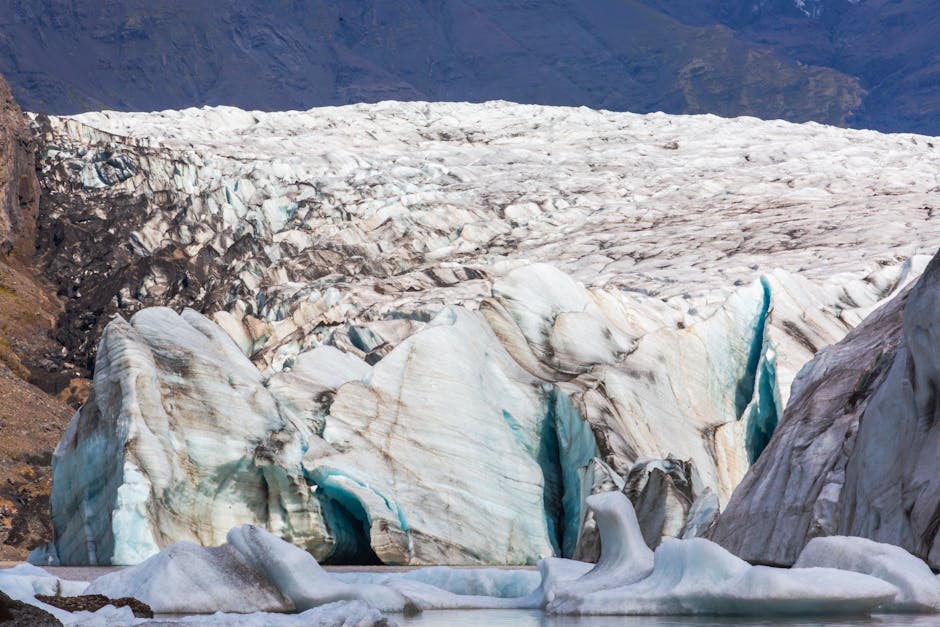
Image: GlobalBeat / 2026
Arctic sea ice has fallen to the lowest recorded extent for this time of year for the third consecutive year, according to measurements released Monday by the National Snow and Ice Data Center, prompting renewed warnings from climate scientists about accelerating polar warming.
Ice coverage measured 3.87 million square kilometers, roughly 1.1 million square kilometers below the 1981-2010 average. The figure surpasses the previous record set in 2022 by approximately 200,000 square kilometers, an area larger than the state of Nebraska.
“The trend is unambiguous and the pace is alarming,” said a senior researcher at the University of Colorado’s polar research division. “We are losing ice faster than our worst-case models projected a decade ago.”
The reduction in sea ice has cascading consequences for global weather patterns, ocean circulation, and indigenous communities in the Arctic whose livelihoods depend on stable frozen terrain.
The findings arrive weeks before the COP climate summit where world leaders are expected to review progress on emissions reduction commitments made under the Paris Agreement.