Cerebras, an A.I. Chip Maker, Files to Go Public as Tech Offerings Ramp Up
Cerebras Systems, AI chip startup, filed confidential IPO papers, joining 2024 tech listing wave.
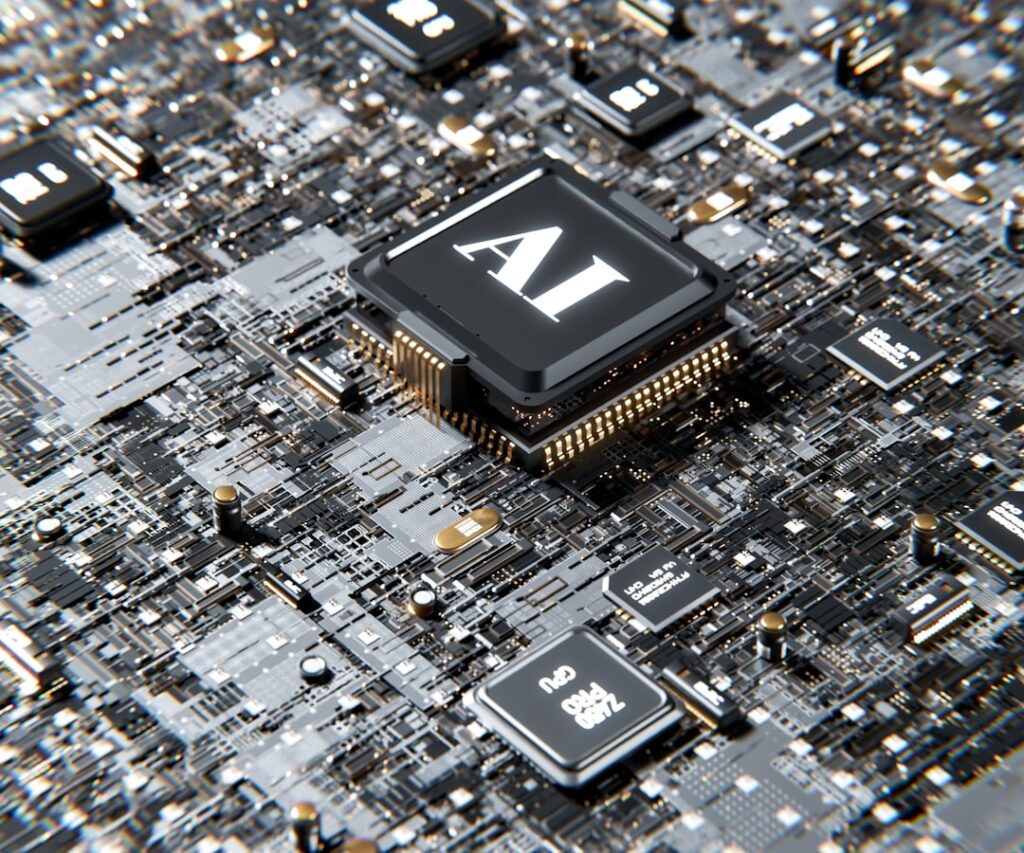
Image: GlobalBeat / 2026
Cerebras IPO filing reveals $1.2 billion revenue plan for AI chip debut
Sarah Mills | GlobalBeat
Cerebras Systems filed for a public offering with the Securities and Exchange Commission, aiming to sell shares as early as next month.
The Silicon Valley startup disclosed that it raked in $869 million in revenue last year while selling specialized processors to artificial intelligence customers. Losses totaled $127 million.
The filing arrives during a sudden thaw in the tech IPO market after 2 years of deep freeze. Investors are snapping up anything that touches AI, sending Nvidia and competitors to record valuations.
“AI compute demand is growing exponentially,” the company wrote in Monday’s prospectus. “Our wafer-scale technology delivers 100 times the compute density of traditional GPUs.”
Cerebras builds enormous chips the size of a dinner plate. Each processor contains 2.6 trillion transistors packed onto a silicon wafer. The company said its systems already train large language models for most major pharmaceuticals and federal labs.
The startup’s last private valuation hit $4 billion in 2021. They haven’t set a price range yet. Goldman Sachs leads the underwriting syndicate along with Morgan Stanley and Citigroup.
Los Altos-based Cerebras faces brutal competition from Nvidia’s market-dominating GPUs. The filing shows Nvidia controls roughly 80 percent of AI training chip sales. AMD, Intel and dozens of startups are chasing the remainder.
Small problem. Cerebras spent $235 million on research last year while booking revenue of $869 million. Sales and marketing ate another $119 million. The company’s gross margin, 15 percent, sits far below Nvidia’s 78 percent.
“They’re burning cash to compete with a behemoth,” said Greg Allen, director of the Wadhwani AI Center. “The IPO gives them ammunition for this arms race.”
Cerebras listed Abu Dhabi tech conglomerate G42 as its largest customer. G42 purchased $335 million of equipment in 2024, representing 38 percent of total sales. Two other clients accounted for another 27 percent. That concentration worried analysts.
“When 65 percent of revenue depends on three buyers, investors get nervous,” said Stacy Rasgon, semiconductor analyst at Bernstein Research.
The prospectus outlines partnerships with pharmaceutical giants including AstraZeneca, GlaxoSmithKline and Pfizer. Drug discovery consumes massive amounts of computing power to analyze protein interactions. Cerebras claims its systems reduce training times from months to days.
Rival chip designer Groq fired back Tuesday morning. Chief executive Jonathan Ross held a press call claiming his company’s inference chips run language models 10 times faster than Cerebras hardware.
“We welcome new entrants,” Ross said. “The more companies pushing AI innovation, the better.”
Cerebras is not the first AI chip company to attempt a public listing. Graphcore, a British rival, saw its valuation crumble after disappointing sales. They cancelled plans for an IPO earlier this year.
Background
The AI chip industry traces roots to 2007 when Nvidia researchers discovered graphics processors could accelerate machine learning. The company’s stock has surged 2,000 percent since 2020 while supplying hardware for ChatGPT and similar systems.
Cerebras spun out of stealth mode in 2019 with bold claims about wafer-scale integration. Most semiconductors measure centimeters across. Their first commercial system weighed 550 pounds and cost well over $2 million each.
Previous attempts at public listings by chip startups mostly failed. Habana Labs sold to Intel. Barefoot Networks sold to Intel. Mellanox sold to Nvidia. Investors questioned whether standalone AI chip companies could survive outside tech giants.
What’s Next
Cerebras executives will hit the road starting next week for investor presentations in New York, Boston and London. They aim to complete the offering before July. Market reception could determine whether other AI startups follow with similar IPO ambitions.
The company plans to use proceeds for manufacturing expansion and developing next-generation processors. Competition intensifies daily. Amazon, Google and Microsoft are designing their own AI chips.
Silicon Valley analysts will watch closely to see whether public markets reward expensive hardware companies chasing a single dominant competitor. The answer determines whether dozens of well-funded AI chip companies go public. Or face liability.
Technology & Science Editor
Sarah Mills is GlobalBeat’s technology and science editor, covering artificial intelligence, cybersecurity, public health, and climate research. Before joining GlobalBeat, she reported for technology desks across Europe and North America. She holds a degree in Computer Science and Journalism.