China Joins US, UK, India, Brazil, Germany and More in Global Sports Tourism Boom Driven by Mega Events, Football Dominance, Rising Fan Travel, and $1.8 Trillion Market Growth Transforming Tourism Across Europe, Asia-Pacific, North America and Emer
China enters $1.8 trn global sports tourism surge alongside U.S., UK, India, Brazil, Germany as mega events and football drive cross-border fan travel reshaping Europe, Asia-Pacific, Americas.
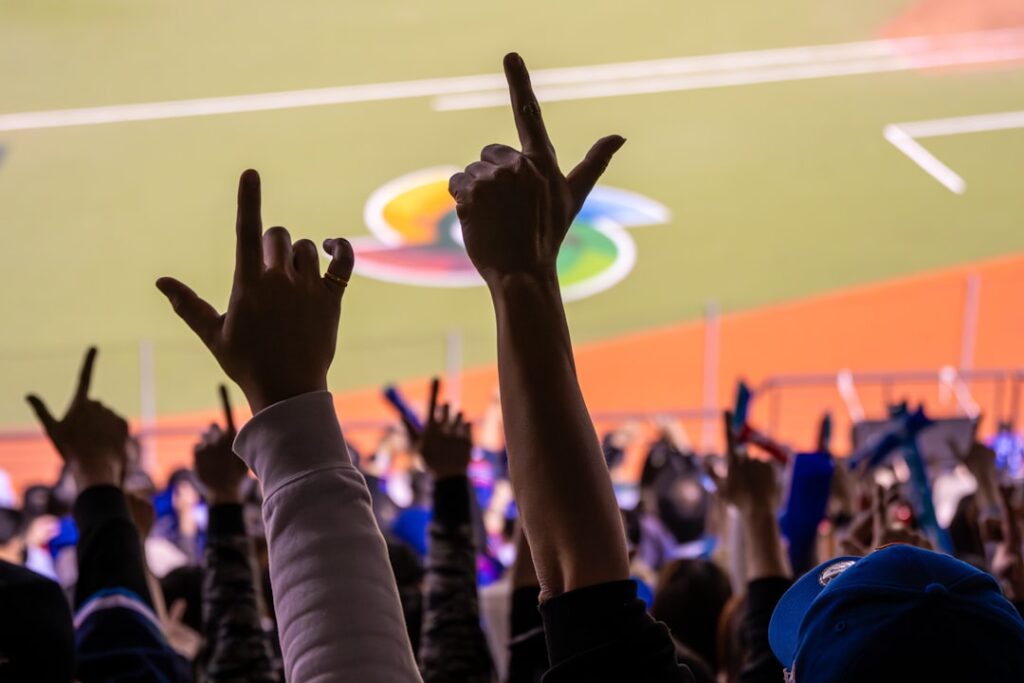
Image: GlobalBeat / 2026
Sports tourism boom drives $1.8 trillion surge as China joins global race for mega events
James Okafor | GlobalBeat
China has entered the global sports tourism boom, adding its $35 billion domestic market to an international rush that has pushed the sector toward $1.8 trillion in annual value.
The move places the world’s second-largest economy alongside the United States, United Kingdom, India, Brazil and Germany in courting travelling football fans, Olympic spectators and Formula One crowds.
Governments now treat tournaments as economic rescue packages. Tourism boards from Barcelona to Brisbane budget for extra hospital shifts, airport staff and police overtime whenever fixtures are confirmed. Hotels, airlines and city-center bars have learned to expect occupancy charts that spike like heart monitors each time knockout draws are released.
Beijing’s National Stadium will host the 2027 AFC Asian Cup final, while Shanghai has submitted bids for both the 2036 Summer Olympics and a new Formula One street race. Chinese travel agencies sold 2.3 million overseas sports packages in 2024, up 48 per cent from the previous year, according to the China Tourism Academy. The agency forecasts outbound football trips alone will top 4 million annually by 2028.
European cities already feel the pulse. London recorded 2.9 million overnight visitors linked to Premier League or Champions League fixtures last season, the Greater London Authority said. Manchester, Liverpool and Newcastle reported hotel revenues 37 per cent higher on home weekends than otherwise comparable dates.
Germany expects 4 million foreign football fans during next year’s UEFA European Championship, the federal tourism board announced. Host cities have blocked 42,000 hotel rooms and chartered 1,200 extra train services. Officials predict a $2.1 billion injection in the two-week group stage alone.
Brazil’s government returned to the market this month, offering tax breaks to airlines that add seats between São Paulo and Asia for the 2027 Women’s World Cup. Embratur, the national tourism agency, said Japanese and Chinese operators have requested 640 charter flights, exceeding the 520 arranged for the 2014 men’s event.
India sees cricket as its lever. The Indian Premier League final between Kolkata and Chennai sold 1.2 million hotel room-nights across the subcontinent, including secondary cities such as Indore and Visakhapatnam, travel firm MakeMyTrip reported. The federal tourism ministry has asked state governments to upgrade 150 stadiums in Tier-2 cities before the 2031 World Cup.
The numbers leave little doubt among investors. Barclays analysts told clients sports tourism now grows 1.6 times faster than overall leisure travel, even after adjusting for inflation. Ticket pricing, merchandise and hospitality packages generate margins airlines or cruise operators “can only dream of,” the bank wrote.
Airbnb said listings within 5 km of major stadiums command average daily rates 42 per cent above their citywide baseline. The gap widens to 76 per cent during Champions League weeks in Madrid, Munich and Paris, the company said.
Airlines have rewritten route maps. Qatar Airways added 28 extra frequencies into London Heathrow ahead of the Champions League final, deploying A380s on normally quiet Tuesday mornings. Delta cancelled its usual winter pause on the Atlanta-Manchester route after Atlanta United joined the CONCACAF Champions Cup. Lufthansa will station a spare A350 in Frankfurt next summer “ready for 45-minute turnaround charters if Germany reaches either semi-final,” chief commercial officer Dieter Vranckx told reporters.
Background
The modern link between sport and tourism dates to the 1984 Los Angeles Olympics, when organisers offered bundled hotel-and-ticket plans to foreign visitors for the first time. The strategy erased a feared deficit and created a profit of $225 million, city accounts showed.
Bidding procedures changed after 2000. The IOC and FIFA began demanding “legacy” chapters from candidate cities, requiring proof that stadium spending could be offset by future visitor revenue. London’s 2012 master plan predicted 1.4 million extra tourists each year through 2020; government reviews later counted 1.35 million, within 4 per cent of target, and cited the forecast as justification for public investment.
China entered the sector with the 2008 Beijing Games but focused on domestic audiences until the pandemic. A 2021 white paper from the State Council urged provinces to “stimulate consumption through sports spectatorship,” ordering railway bureaus to schedule match-day trains and customs to speed group visa clearances.
What’s Next
The next bidding cycle intensifies next month when the IOC opens dialogue for the 2040 Summer Games. Brisbane, Istanbul, Jakarta and a joint Doha-Riyadh proposal have already registered observer status. A decision lands in 2029.
Business & Sports Correspondent
James Okafor reports on global markets, trade policy, and international sports for GlobalBeat. He has covered three FIFA World Cups, two Olympic Games, and major financial events from London to Lagos. He specialises in African economies and emerging market stories.