Europe named ‘fastest-warming continent’ in latest climate change report
Europe is warming at twice the global average, becoming the worlds fastest-heating continent, according to a new World Meteorological Organization and Copernicus climate report.
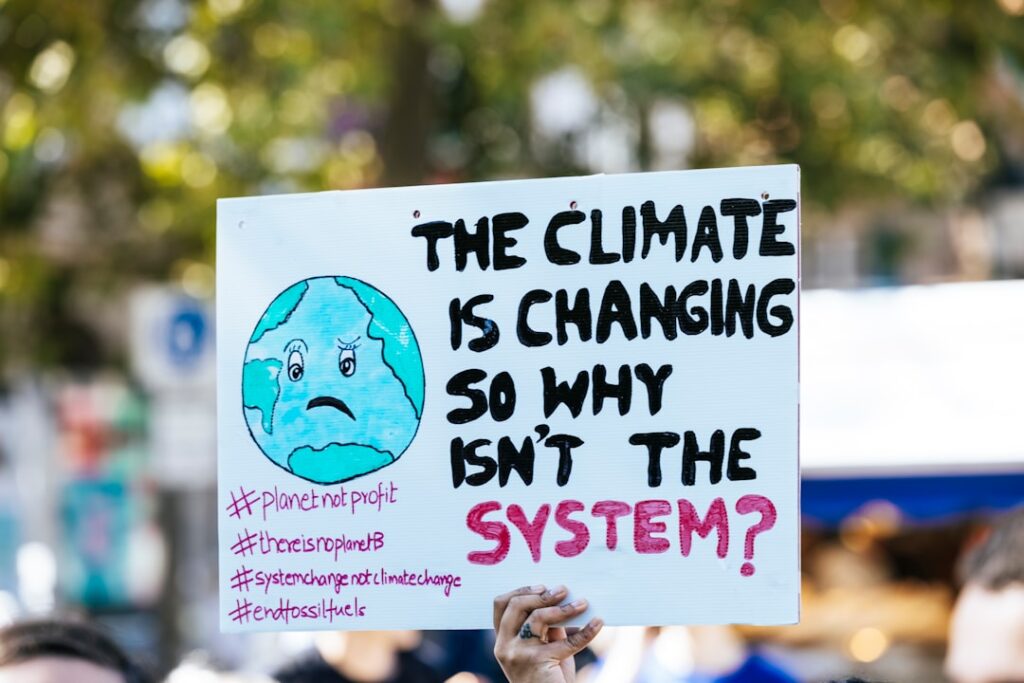
Image: GlobalBeat / 2026
**Europe warming fastest: Temperature rise twice global average since 1980s**
Muhammad Asghar | GlobalBeat
Europe has become the world’s fastest-warming continent, with temperatures rising at twice the global average since the 1980s, according to a new climate report released Monday.
The annual State of the Climate in Europe report shows the continent warming at approximately 0.5 degrees Celsius per decade, compared to the global average of 0.2 degrees, with last year marking either the warmest or second-warmest year on record depending on the dataset used.
This accelerated warming pattern devastates European glaciers, which lost an estimated 50 cubic kilometers of ice annually between 1997 and 2022. The rapid temperature increase also drives more frequent and severe heatwaves across Mediterranean nations, where summer temperatures regularly exceed 40 degrees Celsius and drought conditions persist for months.
The report, jointly produced by the World Meteorological Organization and the European Union’s Copernicus Climate Change Service, documents how Alpine glaciers retreated for the sixth consecutive year, with Switzerland’s Glacier Express route revealing bare rock where ice once dominated. European geophysicists measured record-breaking temperatures in Spain, Italy, and Greece during 2023’s extended heat season, which began in May and continued through October.
Mediterranean countries experienced their hottest summer on record, with Rome reaching 42.9 degrees Celsius in July, prompting Italian health officials to issue red alerts for 16 cities simultaneously. Greek meteorologists recorded their country’s warmest June-July-August period, with average temperatures 3.6 degrees above the 1991-2020 baseline.
The warming intensifies extreme precipitation patterns across Northern Europe, where rainfall increased 10-16 percent compared to pre-industrial levels. Belgian hydrologists documented flood events increasing from 2.5 per decade in the 1970s to 16.5 per decade in the 2010s, while Paris recorded its single-day rainfall record in September when 162 millimeters fell in less than 24 hours.
Norwegian Climate Minister Espen Barth Eide told reporters the findings demand immediate policy changes across Europe. “The report confirms what our scientists warned us about – Europe’s warming rate exceeds every other continent, putting 170 million people at direct risk from climate extremes,” Eide said during Monday’s Brussels press conference.
French climate scientist Dr. Robert Vautard, who contributed to the report, said Europe’s geographic position explains its accelerated warming. “The continent sits between rapidly warming Arctic air masses and increasingly hot Saharan influences, creating a climatic sandwich effect that amplifies temperature rises,” Vautard explained.
Arctic sea ice loss contributes to Europe’s warming by altering atmospheric circulation patterns. The report documents how reduced polar ice coverage weakens the jet stream, allowing hot air masses from North Africa to persist over Southern Europe for extended periods. Scandinavian weather stations recorded temperatures 4.7 degrees above average during winter 2023-2024, causing unprecedented ice storms when warm, moist air encountered remaining cold pockets.
European Central Bank researchers estimated climate-related economic losses reached 14.2 billion euros in 2023, driven primarily by agricultural failures and infrastructure damage. Italian farmers reported olive oil production falling 37 percent below normal levels, while Spanish vineyards produced their smallest wine harvest in three decades. Alpine resort operators faced their earliest winter closures on record, with some French ski areas shutting in March due to insufficient snow coverage.
Energy systems across Europe strained under the warming pressure. French nuclear power operators reduced output when river temperatures exceeded cooling limits, while Swiss hydropower facilities generated 30 percent less electricity as glacial meltwaters peaked earlier in summer. German grid operators spent 2.8 billion euros upgrading transmission systems to handle increased air conditioning demand during prolonged heatwaves.
Background
Europe’s accelerated warming trend emerged clearly in the 1990s when temperature records began consistently breaking previous marks. The continent experienced its warmest decade on record during the 2000s, only to see that surpassed by even higher temperatures in the 2010s. Alpine glacier monitoring stations documented ice loss accelerating from 1 meter annually in the 1970s to 10 meters annually by 2022.
The European Union established its climate monitoring system following deadly heatwaves in 2003 that killed 70,000 people across the continent. Scientists subsequently identified the Mediterranean region as particularly vulnerable to climate change impacts, with projections indicating 3-5 degrees additional warming by 2050. Arctic amplification effects, where polar regions warm faster than lower latitudes, directly influence European weather patterns through disrupted atmospheric circulation.
What’s Next
European Commission officials meet next month to discuss accelerating the continent’s carbon reduction targets, with proposals to cut emissions 65 percent by 2030 instead of the current 55 percent goal. The EU’s Copernicus service will launch new satellite monitoring systems in 2025 specifically designed to track glacier changes and vegetation stress across warming European landscapes.
The warming trajectory suggests European summers will average 2-3 degrees warmer by 2035, with Mediterranean regions experiencing 45-degree plus heatwaves annually. Agricultural officials predict grape growing regions will shift northward, with traditional wine-producing areas becoming unsuitable while southern England develops conditions resembling current Champagne climates. Coastal engineers prepare for accelerating sea level rise as Mediterranean thermal expansion combines with increased storm intensity, threatening cities from Venice to Barcelona.
**
Senior Correspondent, World & Geopolitics
Muhammad Asghar covers international affairs, conflict zones, and US foreign policy for GlobalBeat. He has reported on events across the Middle East, South Asia, and Eastern Europe, with a focus on the intersection of diplomacy and armed conflict. He has been writing wire-service journalism for over a decade.