Exclusive | President Trump tells The Post US-Iran talks ‘could be happening over next two days’
Trump told the New York Post direct U.S.-Iran negotiations could start within 48 hours.
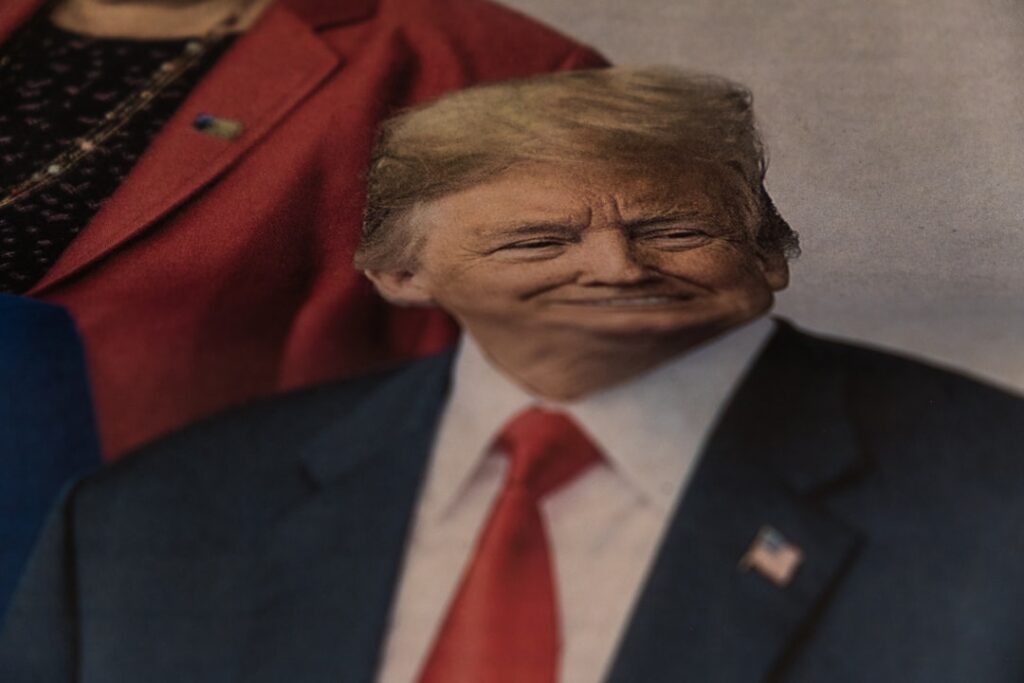
Image: GlobalBeat / 2026
Trump Iran talks: President says direct negotiations with Tehran may start within 48 hours
Muhammad Asghar | GlobalBeat
President Donald Trump told the New York Post that face-to-face U.S. negotiations with Iran could begin within the next two days, marking the first concrete timeline he has offered for diplomacy.
The president’s remarks came during an Oval Office interview published early Monday, reversing months of administration statements that insisted Tehran must first curb its nuclear program before talks can resume.
Trump has previously threatened military strikes against Iranian facilities if uranium enrichment continues beyond agreed limits. The sudden shift suggests Washington received back-channel signals that Supreme Leader Ayatollah Ali Khamenei is ready to bargain, analysts said.
The president did not name a venue or spell out which Iranian officials would attend, but said “the right people will be in the room” and that his team had been working “around the clock” to finalize logistics. Treasury Secretary Scott Bessent and National Security Adviser Mike Waltz have handled the secret pre-negotiations, Trump added.
If the meeting materializes, it would be the first high-level U.S.–Iran encounter since Secretary of State Marco Rubio briefly spoke with Iranian Foreign Minister Abbas Araghchi on the sidelines of the Munich Security Conference in February. That exchange lasted 7 minutes and produced no joint statement.
Iran’s mission to the United Nations did not respond to GlobalBeat’s request for confirmation. State media in Tehran carried no mention of imminent talks.
Oil futures dropped 2.1 percent after Trump’s comments, with Brent crude sliding below $72 a barrel, as traders priced in lower odds of an immediate supply disruption in the Strait of Hormuz. The waterway carries roughly 20 percent of seaborne petroleum.
Israeli officials privately expressed alarm. “Any deal that allows Tehran to keep centrifuges spinning is a gamble with our security,” an aide to Prime Minister Benjamin Netanyahu told reporters off the record. Netanyahu’s office later issued a terse statement urging Washington to “maintain maximum pressure until Iran’s nuclear threat is fully dismantled.”
Capitol Hill Republicans split on the news. Senator Tom Cotton of Arkansas warned against “another Obama-style photo-op” that grants sanctions relief without verified concessions, while Senator Rand Paul of Kentucky praised Trump for avoiding “another trillion-dollar Middle East war.” Democratic lawmakers largely withheld comment, saying they wanted details.
The potential talks arrive six months after Trump reimposed the full slate of U.S. sanctions that President Joe Biden had eased in 2023. Iran has since expanded enrichment to 83.7 percent purity, just shy of weapons-grade, according to the International Atomic Energy Agency.
Tehran has repeatedly demanded sanctions relief as a precondition for negotiations. Trump told the Post he would not roll back restrictions “up front” but left the door open to phased economic openings tied to verifiable steps such as shipping enriched uranium out of the country.
Background
The U.S. and Iran have not held formal bilateral talks since Trump withdrew from the 2015 Joint Comprehensive Plan of Action in 2018. That agreement had capped Iranian enrichment at 3.67 percent in exchange for sanctions relief. After the pullout, Tehran began violating limits annually and now holds an estimated 313 pounds of uranium enriched above 60 percent.
Indirect negotiations in Vienna during the Biden years produced a draft text in September 2024 that was never signed. Trump scrapped that roadmap upon taking office, hiring Iran hard-liners and pledging to force “a better, stronger deal.”
What’s Next
Trump said White House staff will brief senators from both parties on Tuesday morning and indicated he might speak publicly about the diplomatic path later in the week. If initial talks proceed, analysts expect a phased approach that begins with limited sanctions waivers for humanitarian trade and progresses toward caps on enrichment, monitored by the IAEA.
A successful opening round in the next 48 hours could lead to broader multilateral negotiations involving Britain, France, Germany, Russia, and China by the summer, diplomats told GlobalBeat. Failure, said one European official, “brings us back to the escalation track no one wants.”
The tight timeline also means Tehran must decide quickly whether to accept the invitation, potentially forcing a rare public appearance by Khamenei to resolve factional disputes inside the regime. Trump closed his interview with a warning: “If they don’t show, they know what comes next.”
Senior Correspondent, World & Geopolitics
Muhammad Asghar covers international affairs, conflict zones, and US foreign policy for GlobalBeat. He has reported on events across the Middle East, South Asia, and Eastern Europe, with a focus on the intersection of diplomacy and armed conflict. He has been writing wire-service journalism for over a decade.