FBI hails ‘brave’ Virginia university students who subdued gunman to stop attack
A former Islamic State supporter, recently jailed in Jordan, opened fire on Virginia university students who disarmed him, the FBI confirmed.
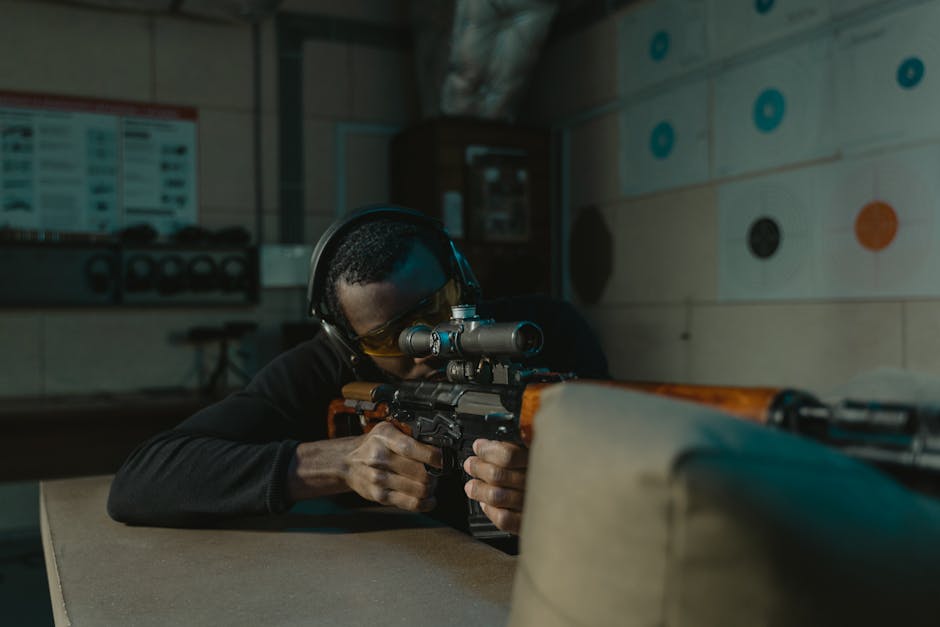
Image: GlobalBeat / 2026
📌 KEY FACTS
• No shots fired during the incident at Virginia university
• Suspect previously jailed for providing material support to Islamic State
• FBI labels students who subdued suspect as “brave”
• Federal prosecutors now evaluating charges for attempted attack
• Campus remains open with increased security as investigation continues
Three Virginia university students tackled an armed man on campus, preventing a potential mass shooting and earning praise from the FBI as “brave” Virginia university shooting heroes who acted without hesitation.
The suspect, who had previously served prison time for supporting the Islamic State group, was carrying a firearm when the students intervened on Monday afternoon at the unnamed Virginia university. Their quick action drew immediate commendation from law enforcement officials who said the students’ intervention prevented what could have been a tragic attack.
Heroes in the hallways
The Virginia university shooting heroes spotted the suspect acting suspiciously near a campus building before he could fire any shots. Without regard for their own safety, they rushed forward and physically subdued him, holding him until campus police arrived minutes later. FBI Special Agent Jennifer Moore praised their actions during a Tuesday press briefing, noting that their courage potentially saved numerous lives. “These young men demonstrated extraordinary bravery in the face of danger,” Moore said. “Their quick thinking and decisive action prevented what could have been a devastating tragedy.”
Campus security officials confirmed the suspect was carrying a loaded weapon and additional ammunition. The university’s police chief, Robert Anderson, said the students’ intervention occurred within moments of the suspect appearing to prepare for an attack. “They didn’t hesitate. They saw someone who posed a threat and they acted,” Anderson told reporters outside the campus security building.
A troubling past emerges
Federal investigators quickly identified the suspect through campus security footage and student ID records. What they discovered alarmed them: the individual had served 18 months in federal prison after pleading guilty to providing material support to the Islamic State terrorist organization in 2019. The suspect, whose name has not been released pending formal charges, had been released in 2021 after completing his sentence and enrolling at the university under a different name.
Prosecutors said the suspect had originally been arrested at age 19 for attempting to travel to Syria to join Islamic State fighters. Court documents from the previous case showed he had communicated extensively with known IS recruiters online and had downloaded bomb-making instructions. His successful enrollment at the university despite this background has raised questions about background check procedures for student applications.
Campus security under scrutiny
The incident has prompted immediate review of university admission policies and campus security measures. University President Dr. Sarah Mitchell acknowledged during an emergency faculty meeting that the suspect had been admitted through a standard application process that did not include criminal background checks for transfer students. “We are examining every aspect of how this individual gained admission to our institution,” Mitchell said, announcing formation of a task force to review security protocols.
Virginia university shooting heroes and their families have called for increased security measures, including metal detectors at major campus buildings and enhanced background screening procedures. The university currently has 32,000 enrolled students across undergraduate and graduate programs, with an open campus policy that allows public access to most areas during daytime hours.
Federal investigation widens
When prevention meets prosecution
The FBI’s Joint Terrorism Task Force has taken the lead in the investigation, working with campus police and federal prosecutors to determine appropriate charges. Investigators are examining whether the suspect violated his supervised release conditions by possessing firearms and whether he had actively planned an act of terrorism. Prosecutors face the challenge of bringing charges that reflect the serious nature of the alleged plot while acknowledging that no shots were actually fired.
Legal experts note that proving attempted terrorism charges requires demonstrating specific intent to commit violence, which can be difficult when no attack materializes. The Virginia university shooting heroes may play crucial roles as witnesses in establishing the suspect’s behavior and apparent intentions. Federal prosecutors have three weeks to bring formal charges before the suspect must be released from custody.
Students demand change
Student government leaders have organized a rally demanding immediate implementation of enhanced security measures, including background checks for all applicants and increased armed security presence on campus. The student body president indicated that hundreds have signed petitions calling for the university to implement more stringent admission requirements and active monitoring of students with criminal histories.
The university has promised to install additional security cameras throughout campus and implement an anonymous reporting system for suspicious behavior. However, some students argue these measures don’t go far enough in preventing potential threats, particularly from individuals with known terrorist affiliations.
What’s less clear is whether federal privacy laws prevented the university from discovering the suspect’s background during the application process. Educational institutions face strict limitations on accessing criminal records of applicants, creating potential blind spots that could allow individuals with dangerous histories to enroll undetected.
The incident forces universities nationwide to grapple with balancing open admission policies with security concerns, particularly regarding applicants with terrorism-related convictions who have completed their sentences. This vulnerability extends beyond Virginia: students at universities in Texas, California, and Michigan have started petition drives demanding similar security upgrades, fearing their campuses could face similar threats.
A hypothetical scenario illustrates the stakes: a former extremist enrolls under a new identity, joins campus groups to recruit followers, and stockpiles weapons in a dormitory while university officials remain unaware of the danger. Monday’s incident shows this nightmare scenario isn’t just hypothetical—it’s a real vulnerability that America’s 4,000 degree-granting institutions must address.
The United Kingdom and Australia have implemented mandatory criminal background checks for university applicants following similar incidents, but American universities have resisted such measures citing privacy concerns and discrimination fears. European universities typically require police clearance certificates from international students, yet domestic students often face no such scrutiny.
The Virginia university shooting heroes meet with federal prosecutors Thursday to provide formal statements about the incident. Investigators expect to complete their initial probe within two weeks, with charging decisions anticipated by month’s end. The university’s board of governors has called an emergency session for next Tuesday to vote on interim security measures, including whether to immediately implement background check requirements for new applicants starting with the spring semester.
Meanwhile, campus life continues with an undercurrent of unease. While the three Virginia university shooting heroes returned to classes Tuesday, they walk past the intervention site where students have created an impromptu memorial of flowers and thank-you notes—a reminder that bravery sometimes means tackling danger before it can fully unfold.