Grammarly pulls AI author-impersonation tool after backlash
Grammarly removes AI author-impersonation tool following backlash from writers who claimed their names and styles were used without consent.
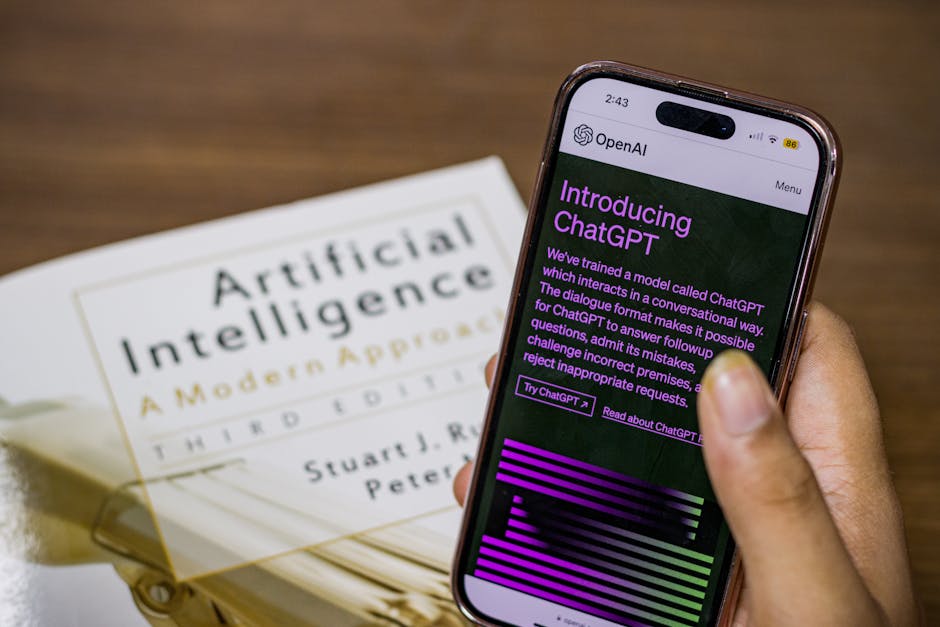
Image: GlobalBeat / 2026
GRAMMERY REMOVES AI AUTHOR IMPERSONATION FEATURE AFTER BACKLASH
Grammarly, a widely-used AI-powered writing tool, has withdrawn its AI author-impersonation feature following a significant backlash from writers, who criticized the use of their names and styles as “AI personas” without consent. The AI Author Impersonation Controversy erupted after it was revealed that the tool could generate text in the style of well-known authors, sparking concerns about intellectual property and ethics in AI technology.
FEATURE WITHDRAWAL AND CRITICISM
Grammarly announced the removal of the feature last week after numerous writers expressed their disapproval. The company stated that it was committed to respecting the rights of authors and acknowledged the ethical concerns raised by the AI Author Impersonation Controversy.
“Initially, we believed the feature could be used for educational purposes, but the response has shown we missed the mark,” said Grammarly’s CEO, Stuart Butterfield. “We will continue to prioritize user privacy and respect for intellectual property.”
AUTHORS’ CONCERNS
Many authors saw the impersonation tool as a violation of their creative identity and a potential threat to their livelihoods. The AI Author Impersonation Controversy highlighted the broader debate on the implications of AI in content creation.
“The idea that an algorithm could replicate my voice is deeply unsettling,” said one affected author. “It undermines the value of original work and the integrity of the writing process.”
ETHICAL CONSIDERATIONS
The withdrawal of the feature has prompted discussions on the ethical use of AI in the tech industry. Experts argue that companies must consider the impact of their tools on creators and the potential for misuse.
“AI has immense potential, but it must be developed responsibly,” said an AI ethics expert. “The AI Author Impersonation Controversy is a wake-up call for the tech industry to prioritize ethical considerations in their development processes.”
BROADER IMPLICATIONS
The controversy surrounding Grammarly’s AI author-impersonation tool has raised questions about the future of AI in content creation and the need for regulations to protect writers’ rights. As AI technology advances, the debate on ethics and intellectual property in the digital age is set to intensify.
“The AI Author Impersonation Controversy is just the beginning,” said a tech industry analyst. “We will see more discussions on how to balance innovation with respect for creators’ rights as AI becomes more integrated into our lives.”