How climate change may increase antibiotic resistance
Rising global temperatures accelerate bacterial mutation and antibiotic-resistance gene spread, scientists warn.
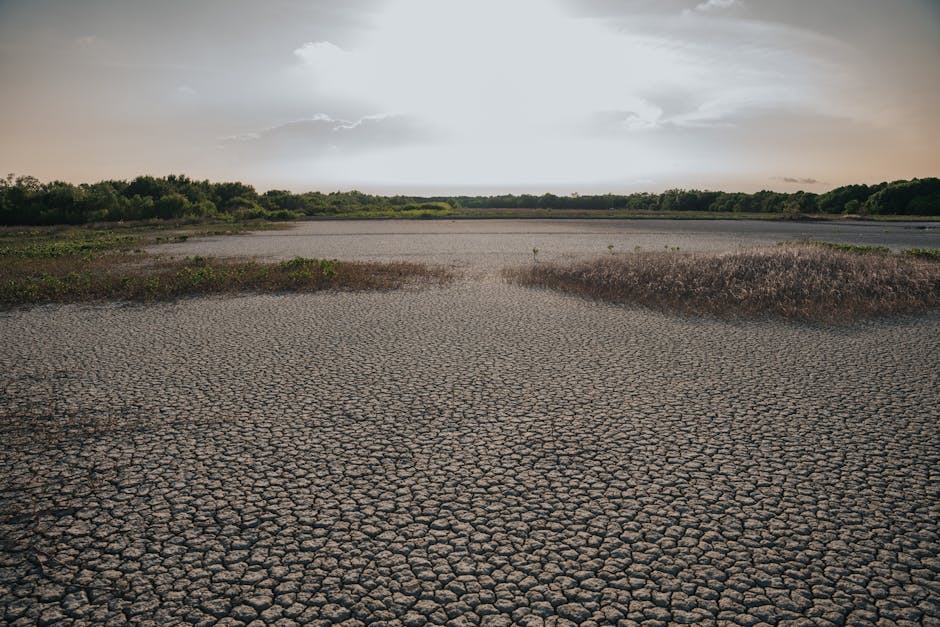
Image: GlobalBeat / 2026
Climate change antibiotic resistance: Warming oceans spread superbug genes faster
Muhammad Asghar | GlobalBeat
Rising ocean temperatures are accelerating the spread of antibiotic-resistant bacteria by up to 8-fold in some marine environments, according to research published Wednesday in the journal Science.
The study found that warmer waters dramatically increase horizontal gene transfer between bacteria, the primary mechanism by which superbugs share resistance traits across species. Researchers documented resistance genes jumping between pathogens at unprecedented rates in water temperatures just 2.5°C above normal.
This discovery links two of humanity’s most pressing health threats, scientists said. Climate change isn’t just warming the planet, it’s actively breeding deadlier infections. The World Health Organization already estimates antibiotic-resistant infections kill 1.27 million people annually, a number projected to reach 10 million by 2050 without intervention.
Marine biologists at the University of California, Santa Barbara tracked bacterial samples from 18 coastal sites across the Pacific Ocean for 4 years. They measured gene transfer rates at baseline temperatures, then again after controlled warming of 1.5°C and 2.5°C. The results shocked even seasoned researchers.
“We expected some increase, but not this dramatic,” said lead author Dr. Melissa Chen. “At 2.5°C warming, we’re seeing resistance genes spread 8 times faster than normal. That’s the difference between containing an outbreak and watching it explode.”
The mechanism works through bacterial sex, essentially. Warmth makes microbes more active, increasing contact between cells and the plasmids they use to swap genetic material. Antibiotic resistance genes ride these plasmids like passengers, jumping ship to new bacterial hosts with alarming efficiency once waters warm.
Coastal cities face particular risk. The research sites near Los Angeles, San Diego and San Francisco showed the highest transfer rates, likely due to pollution and sewage creating ideal bacterial breeding grounds. These urban areas already report rising cases of drug-resistant urinary tract infections and skin infections among beachgoers.
“This isn’t theoretical,” Chen said. “We’re documenting real increases in resistant infections matching our lab predictions. The ocean is basically a giant petri dish that’s getting warmer every year.”
The findings add urgency to existing warnings about antibiotic overuse in medicine and agriculture. Agricultural runoff containing veterinary antibiotics flows directly into warming coastal waters, creating perfect conditions for resistance evolution. Scientists call this a “double hit” scenario where human activity both creates superbugs and spreads them faster.
Pharmaceutical companies have largely abandoned antibiotic development as unprofitable, leaving few new weapons in the pipeline. The last entirely new class of antibiotics reached market in 1987. Meanwhile, existing drugs lose effectiveness yearly as bacteria evolve defenses.
Drug-resistant infections already cost the US healthcare system $4.6 billion annually, according to Centers for Disease Control data. These costs surge when frontline antibiotics fail, forcing doctors to use older, more toxic alternatives requiring longer hospital stays.
Insurance companies are taking notice. Several major carriers told GlobalBeat they’re reviewing coverage policies for antibiotic-resistant infections, potentially shifting more treatment costs to patients. One executive, speaking anonymously, predicted “substantial premium increases” within 5 years as infection rates climb.
The military implications particularly worry defense planners. Naval operations depend on healthy crews, but ships operate in the same warming waters breeding superbugs. The Pentagon has documented rising infection rates among sailors, with some aircraft carrier deployments cut short by resistant outbreaks.
Background
Antibiotic resistance emerged within years of penicillin’s 1943 introduction. Alexander Fleming himself warned in 1945 that misuse could breed “resistant microbes.” His prediction proved prophetic. Each new antibiotic class follows the same pattern: initial effectiveness, gradual resistance, eventual obsolescence.
Climate change amplifies this ancient bacterial adaptation process. Earth’s oceans have absorbed 93% of excess heat from greenhouse gas emissions since 1970. Surface temperatures rose 0.6°C just between 1980 and 2020, with projections showing another 1-4°C increase by 2100 depending on emission scenarios. These warming waters create favorable conditions for bacterial growth and genetic exchange worldwide.
What’s Next
The research team expands monitoring to Atlantic Ocean sites next summer, seeking global patterns in resistance spread. Congress is considering legislation requiring hospitals to track antibiotic-resistant infections from marine sources, though pharmaceutical industry lobbying has stalled previous versions. Meanwhile, warming projections suggest coastal cities have perhaps a decade before current antibiotics become largely useless against common infections.
Marine protection efforts offer partial solutions, scientists said. Reducing agricultural runoff and sewage discharge could slow resistance evolution even as waters warm. But without rapid antibiotic development and stricter prescription controls, humans risk returning to a pre-antibiotic era where minor cuts prove fatal. The clock is ticking as oceans continue their relentless warming.
Senior Correspondent, World & Geopolitics
Muhammad Asghar covers international affairs, conflict zones, and US foreign policy for GlobalBeat. He has reported on events across the Middle East, South Asia, and Eastern Europe, with a focus on the intersection of diplomacy and armed conflict. He has been writing wire-service journalism for over a decade.