How ships are ‘going dark’ to cross the Strait of Hormuz
Irans closure of the Strait of Hormuz significantly halts shipping through the crucial 24-mile waterway.
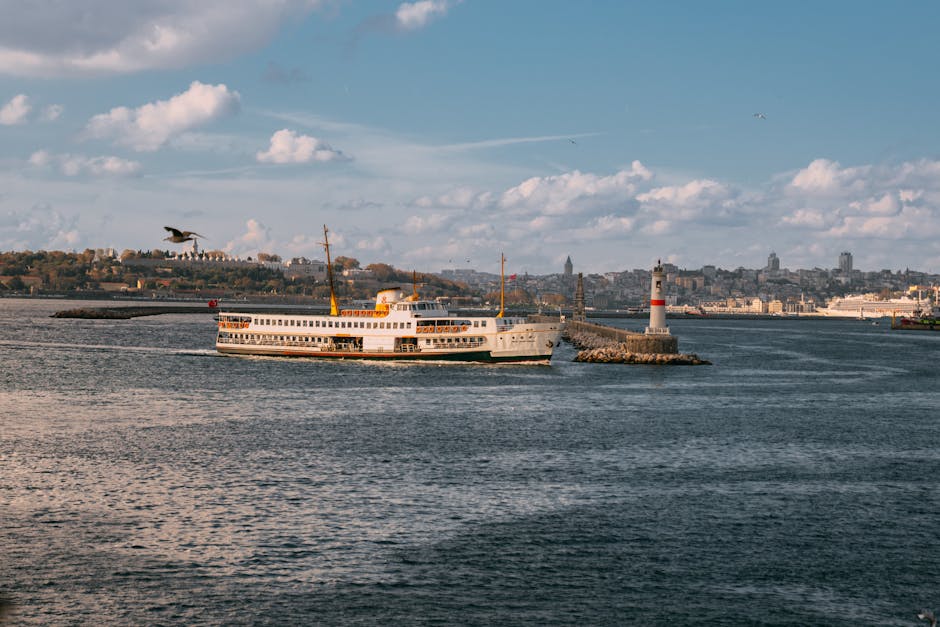
Image: GlobalBeat / 2026
SHIPPING INDUSTRY ‘GOES DARK’ IN STRAIT OF HORMUZ TENSION
Global shipping companies are resorting to ‘going dark’ tactics as they navigate the Strait of Hormuz amid rising geopolitical tensions, turning off their transponders to avoid detection and potential conflict in the region, a move that is significantly impacting international trade.
BACKGROUND ON SHIPPING IN STRAIT OF HORMUZ
Approximately one-fifth of the world’s seaborne oil passes through the Strait of Hormuz, a 24-mile-wide waterway that connects the Persian Gulf to the Arabian Sea, making it a strategic chokepoint for the global energy market.
The Associated Press reported that Iran’s threats to close the strait have escalated as tensions with the United States intensify, prompting shipping companies to take extreme measures to protect their vessels.
IMPACT ON SHIPPING INDUSTRY
“Going dark” involves disabling Automatic Identification System (AIS) transponders, which are used to track and identify ships, leaving them untraceable as they cross the Strait of Hormuz,” said a maritime security expert.
Analysts estimate that the number of ships turning off their AIS has increased by over 50% in the past month alone, significantly disrupting the usual flow of maritime traffic in the region.
ECONOMIC AND POLITICAL RAMIFICATIONS
“The Strait of Hormuz Ship Traffic disruptions are causing uncertainty in the oil market,” said an economist from a leading financial consultancy. “This can lead to price volatility and potential supply chain disruptions.”
The heightened risk in the Strait of Hormuz has also prompted insurance premiums for ships passing through the area to skyrocket, adding to the cost of global trade.
RESPONSE FROM AUTHORITIES
International maritime authorities are closely monitoring the situation in the Strait of Hormuz, urging caution and preparedness among shipping companies,” said a spokesperson for the International Maritime Organization.
Naval forces from various nations, including the United States and the United Kingdom, are increasing their presence in the area to provide security and escort services to civilian vessels.
WHAT HAPPENS NEXT
The future of the Strait of Hormuz Ship Traffic remains uncertain as geopolitical tensions continue to evolve. The shipping industry is closely watching diplomatic efforts to de-escalate the situation, hoping for a swift resolution to prevent further disruptions to global trade.