Indigenous peoples bear the brunt of climate change — and get almost none of the money to fight it
Indigenous communities endure climate change’s worst impacts but receive under 1% of global climate funding, study shows.
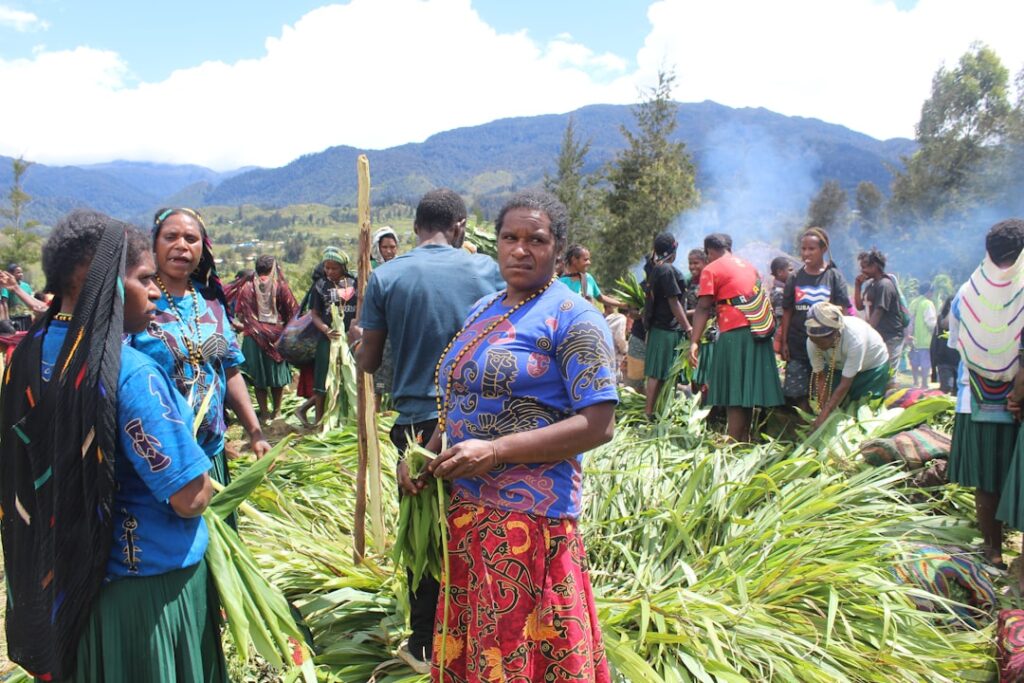
Image: GlobalBeat / 2026
Climate justice indigenous: Only 1% of climate adaptation funding reaches tribal territories
Indigenous peoples guard 80% of Earth’s biodiversity yet receive $1 out of every $100 spent on climate adaptation, according to research released Tuesday from the Rights and Resources Initiative.
The $2.1 billion allocated to indigenous territories since 2011 equals what the world spends on climate adaptation every 48 hours, researchers found.
Amazon fires, Arctic thaw and Pacific island erosion hit indigenous communities first. These populations number 476 million across 90 countries. Their displacement triggers cultural extinction, researchers warned.
Only 14% of global climate finance even tracks whether indigenous peoples benefit, the report showed. Most money flows through governments that lack indigenous representation, said report co-author Solange Bandiaky-Badji.
“We are the first to face floods, the last to see any help,” said Tuntiak Katan, vice coordinator of the Indigenous Peoples of the Amazon Basin. Katan spoke from Quito after documenting 47 oil spills on Shuar territory in 2025.
The funding gap widens despite mounting evidence that indigenous stewardship prevents deforestation better than national parks. Brazil’s satellite data shows deforestation rates inside indigenous territories at 0.3% annually versus 1.4% outside them.
Canada pledged $340 million for indigenous climate programs last year. Just $12 million has reached First Nations communities, according to the Assembly of First Nations. Bureaucratic requirements demand 400-page applications in English or French, excluding elders who speak only Cree or Ojibwe.
Green Climate Fund director Mafalda Duarte acknowledged the shortcomings. “Our current systems replicate colonial patterns,” Duarte told reporters in Geneva. The fund approved $12.8 billion total since 2015 but cannot quantify indigenous beneficiaries.
Background
Indigenous peoples gained formal recognition in climate negotiations through the 2015 Paris Agreement’s Article 7. The provision calls for respecting indigenous knowledge in adaptation efforts. Implementation remains voluntary despite studies showing traditional burning practices prevented Australian bushfires for 60,000 years.
The Intergovernmental Panel on Climate Change first dedicated a chapter to indigenous knowledge in its 2022 report. Scientists documented cases where Inuit ice readings predicted weather changes 2 weeks before meteorological instruments. Maori irrigation channels built in 1450 still protect New Zealand farms from drought.
What’s Next
The Green Climate Fund board meets in Bridgetown next month to vote on new indigenous representation requirements. Proposals would mandate 25% of adaptation grants include indigenous co-applicants and require reporting on indigenous outcomes within 18 months.
Financial mechanisms designed without indigenous input consistently fail, said physicist Jesse Auerswald who analyzed 346 climate projects. Projects with indigenous co-managers showed 250% better outcomes for ecosystem protection, his data showed.
The funding disparity continues despite legal victories. Colombia’s Supreme Court ruled in March that the government must consult Wayuu leaders before approving any climate projects on their land. Similar cases pend in Norway, Australia and Kenya.
Indigenous delegates plan to present the report at November’s COP31 summit in Belém, Brazil. They demand direct payment systems bypassing national governments and a minimum 20% allocation of climate finance for indigenous-led projects.
Senior Correspondent, World & Geopolitics
Muhammad Asghar covers international affairs, conflict zones, and US foreign policy for GlobalBeat. He has reported on events across the Middle East, South Asia, and Eastern Europe, with a focus on the intersection of diplomacy and armed conflict. He has been writing wire-service journalism for over a decade.