Iran war live: Military says conflict with US ‘likely’ to restart
Irans military warns renewed conflict with U.S. likely, citing regional tensions, Al Jazeera reports.
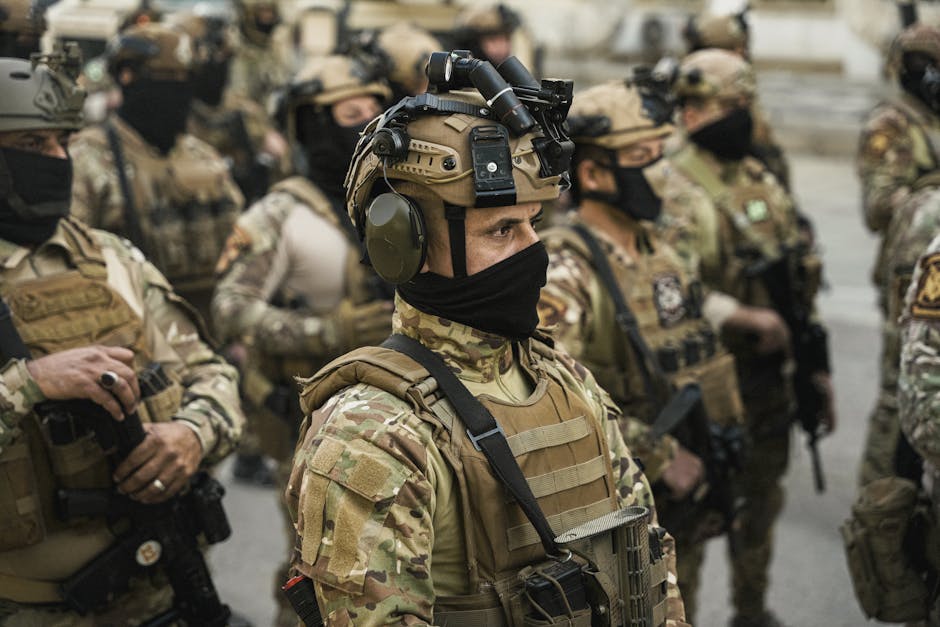
Image: GlobalBeat / 2026
“Iran war: Military commanders warn US conflict restart ‘likely’ after base strikes”
Muhammad Asghar | GlobalBeat
Iranian military commanders warned Tuesday that renewed war with the United States appears “likely” following overnight missile strikes on American bases in Iraq.
Brigadier General Abolfazl Shekarchi told state television the probability of full-scale conflict “exceeds 60 percent” after Iran’s Revolutionary Guards fired 24 ballistic missiles at two US installations.
The assessment shatters weeks of relative calm that followed indirect talks between Tehran and Washington through Omani intermediaries. Trump’s administration had paused sanctions enforcement in March after Iran pledged to curb uranium enrichment at underground facilities near Natanz.
Shekarchi’s warning carries weight. He serves as spokesman for Iran’s Armed Forces General Staff and rarely speaks publicly on strategic matters. The general said American retaliation for Monday’s strikes would trigger “immediate escalation across the entire region.”
US Central Command confirmed 14 service members suffered concussions when missiles struck al-Asad airbase west of Baghdad. Another 9 personnel received treatment at Erbil’s international airport after debris damaged the terminal. No deaths reported.
Iran’s strikes responded to Israeli bombing of Damascus airport that killed 4 Iranian military advisers on Sunday. Tehran blamed Washington for providing intelligence that enabled the Israeli raid, though US officials denied involvement.
The White House scheduled emergency meetings Tuesday morning. National Security Adviser Michael Waltz summoned Pentagon chiefs and intelligence directors to assess response options. Trump cut short a golf trip to monitor developments from Mar-a-Lago.
European diplomats scrambled to contain fallout. French President Emmanuel Macron called Iranian counterpart Masoud Pezeshkian demanding “immediate de-escalation.” British Foreign Secretary David Lammy summoned Iran’s ambassador in London for formal protest.
Oil markets convulsed on war fears. Brent crude surged $8.40 to $92.30 per barrel, its highest level since October. Trading volumes hit records as hedge funds bet on supply disruptions through the Strait of Hormuz.
Regional airlines rerouted flights. Emirates cancelled all services to Tehran through Friday. Qatar Airways suspended overflights of Iranian airspace. Insurance rates for Gulf shipping jumped 40 percent overnight.
Iran’s currency collapsed to new lows. The rial traded at 712,000 against the dollar on Tehran’s black market, down from 685,000 Monday. Citizens queued at banks to withdraw savings amid panic buying of basic goods.
Russia and China urged restraint. Kremlin spokesman Dmitry Peskov warned “external interference” could destroy regional stability. Beijing’s foreign ministry appealed for “maximum restraint from all parties.”
Background
Tensions between Washington and Tehran have simmered since Trump withdrew from the 2015 nuclear accord and reimposed sanctions that devastated Iran’s economy. The two nations approached open war in January 2020 after Trump ordered the assassination of Revolutionary Guards commander Qassem Soleimani at Baghdad airport. Iran retaliated by firing missiles at US bases, causing traumatic brain injuries to more than 100 American troops.
Hostility deepened after Iran’s uranium enrichment reached weapons-grade levels following the US exit from the nuclear deal. Intelligence agencies estimate Tehran could produce enough fissile material for nuclear weapons within weeks, though building deliverable warheads would require additional months of work.
Proxy battles across the region keep both nations locked in conflict. Iran arms and funds militias from Lebanon to Yemen that target American allies. US forces maintain bases encircling Iran while deploying aircraft carriers to nearby waters. The two powers trade attacks through intermediaries rather than direct confrontation.
What’s Next
Iran’s parliament scheduled emergency debate Wednesday on authorizing full-scale military operations if America retaliates. The Supreme National Security Council meets Thursday to review war preparations. US Central Command moved B-1 bombers to Diego Garcia in the Indian Ocean within striking range of Iran.
The missile strikes destroyed hangers and accommodation blocks at al-Asad but failed to hit main runways or ammunition depots. Military analysts interpret this as calibrated response meant to demonstrate capability while limiting American incentive for massive retaliation. Washington must decide whether measured strikes preserve deterrence or invite further attacks.
Diplomatic channels remain open through Switzerland, which represents US interests in Tehran. Omani intermediaries stand ready to relay messages between capitals. But Iranian officials told reporters this week they expect Trump to order military action before July 4, pointing to domestic political calculations ahead of midterm elections. The next 72 hours could determine whether the Middle East faces another catastrophic war.
Senior Correspondent, World & Geopolitics
Muhammad Asghar covers international affairs, conflict zones, and US foreign policy for GlobalBeat. He has reported on events across the Middle East, South Asia, and Eastern Europe, with a focus on the intersection of diplomacy and armed conflict. He has been writing wire-service journalism for over a decade.