Iran’s Araghchi in Islamabad for talks as US envoys set to travel to Pakistan
Irans foreign minister Araghchi meets Pakistani leaders in Islamabad as US envoys prepare separate Pakistan visit, sources say.
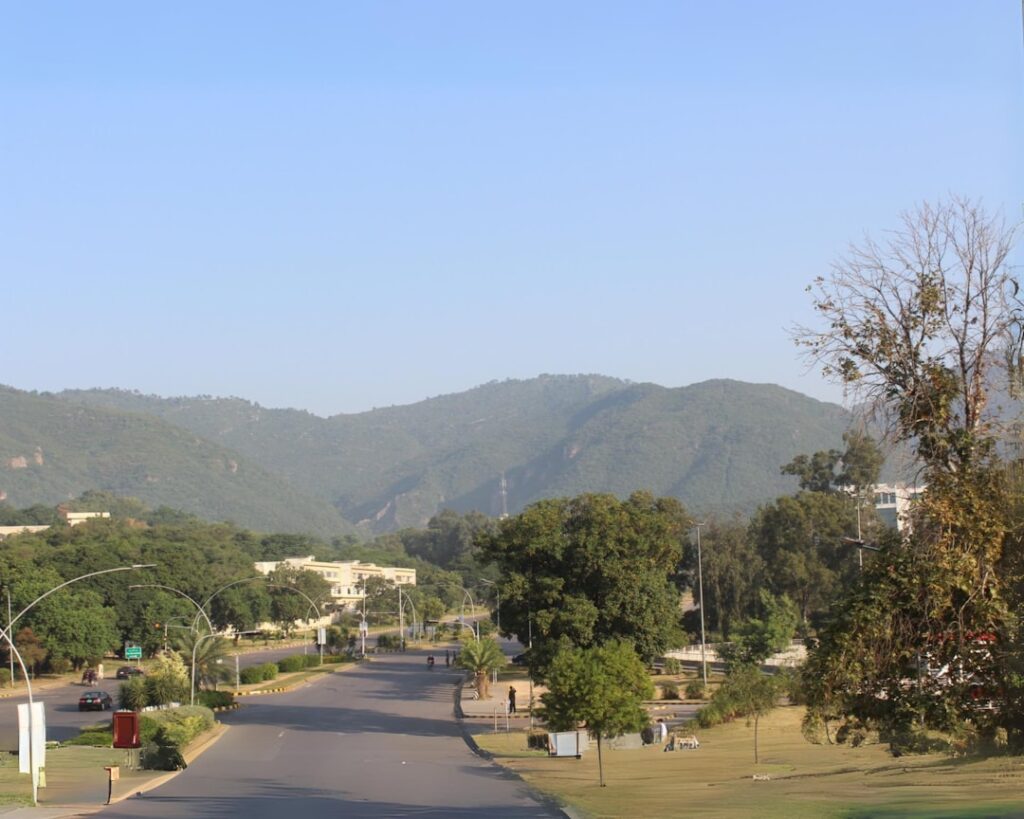
Image: GlobalBeat / 2026
Iran Pakistan talks: Tehran top envoy Araghchi meets Sharif as US delegation en route to Islamabad
Muhammad Asghar | GlobalBeat
Iranian Foreign Minister Abbas Araghchi landed in Islamabad on Sunday for an unannounced two-day visit as Pakistan prepared to host separate talks with United States officials this week.
The back-to-back diplomacy comes three days after Pakistan’s army chief cryptically warned of “new regional alignments” following the first direct Iran-Israel missile exchange in April.
Iran wants Islamabad’s help to blunt Western pressure over its nuclear work; Washington wants guarantees that Pakistani airspace and supply lines will remain open if tensions with Tehran escalate further, diplomats told reporters.
Araghchi’s motorcade sped from the military side of Nur Khan air base to the foreign ministry at 09:15 local time, avoiding the usual airport photo-op. Pakistan’s Foreign Office later issued a three-line statement saying talks would cover “bilateral cooperation, Gaza humanitarian crisis and regional security.”
Iran’s embassy released only a hand-out picture of Araghchi embracing Prime Minister Shehbaz Sharif, the first courtesy call on any Iranian minister since caretaker Foreign Minister Ishaq Dar took office in March.
Inside the foreign ministry, Pakistani officials pressed for a written pledge that Tehran would not use Pakistani soil for future actions against third countries, according to an official familiar with the discussions who asked not to be named.
Iranian diplomats countered by demanding “iron-clad assurances” that Islamabad will not allow its territory for any US military action against Iran, the same official said. Both sides stayed tight-lipped on whether the requests were accepted.
The visit was scheduled weeks ago but accelerated after Israeli jets struck an Iranian air-defence site near Isfahan on 18 April, two Pakistani diplomats confirmed. Tehran twice in March warned Gulf neighbours not to open airspace to Israel; Pakistan, which shares a 959-km border with Iran, was not named publicly but received private messages, they said.
US Deputy Secretary of State Richard Verma and National Security Council Middle East director Brett McGurk arrive in Islamabad on Thursday for what the State Department calls “routine consultations.” Pakistani officials briefed on that agenda said the pair will seek clarity on whether Pakistan would allow American surveillance flights and emergency use of logistics corridors in any US-Iran confrontation.
Washington still ships almost all military supplies to Afghanistan through Pakistani ports and two land crossings, even after the 2021 Taliban takeover. Both were kept open for so-called “over-the-horizon” counter-terrorism flights that occasionally operate from Gulf bases.
Pakistan’s army spokesperson Lt-Gen Ahmed Sharif Chaudhry sidestepped a question last week on whether the routes could be extended to cover Iran operations, saying only that “Pakistan will safeguard its national interest.” His comments were parsed in both Tehran and Washington as intentionally vague.
Background
Iran and Pakistan have fought low-level cross-border skirmishes for years, mostly over Baloch separatist groups that both countries accuse the other of sheltering. In January 2024 Iranian missiles killed two Pakistani workers near Panjgur; Pakistan retaliated with drone strikes inside Iran’s Sistan-Baluchistan province. The flare-up ended after a joint apology brokered by China.
Trade, however, has kept growing. Pakistani rice and fruit worth $1.8 billion crossed into Iran last year, mostly via informal channels to dodge US banking sanctions that Islamabad formally recognises. India reduced Iranian oil imports to zero under US pressure; Pakistan never began direct crude purchases, but Iranian oil still reaches Pakistani refineries through third-country ports, shipping data show.
What’s Next
Araghchi flies to Beijing on Tuesday to brief Chinese officials on his Pakistan talks, Iran’s embassy announced. Pakistan’s foreign ministry said Sharif will convene the National Security Committee on Wednesday, one day before the US delegation lands, to “review regional developments” — wording diplomats say covers possible Iranian retaliation routes and American requests for logistical support.
Washington’s leverage is limited. Pakistan’s $3 billion IMF loan programme is already shaky; any public linkage to US Iran policy would play badly with an electorate that is overwhelmingly pro-Palestinian and suspicious of American intentions. Yet Tehran’s leverage is also thin: billions in promised Chinese investment remain largely on paper, and Gulf states that once buffered Iran are now courting Israel.
What happens this week could decide whether the region’s two rival diplomatic blocs entrench, or whether Pakistan keeps its balancing act alive. The Sharif government, facing elections within 12 months, needs cheap Iranian electricity for its restive south-west almost as much as it needs US goodwill to keep the IMF taps open. Picking sides openly would end that tightrope walk.
Senior Correspondent, World & Geopolitics
Muhammad Asghar covers international affairs, conflict zones, and US foreign policy for GlobalBeat. He has reported on events across the Middle East, South Asia, and Eastern Europe, with a focus on the intersection of diplomacy and armed conflict. He has been writing wire-service journalism for over a decade.