Jordan’s Aqaba to Welcome 25 Countries for Global Marine Sports and Diving Event in September 2026, Boosting Red Sea Tourism
Aqaba to host 25-nation marine sports and diving championship in September 2026, Jordan says, aiming to drive Red Sea tourism.
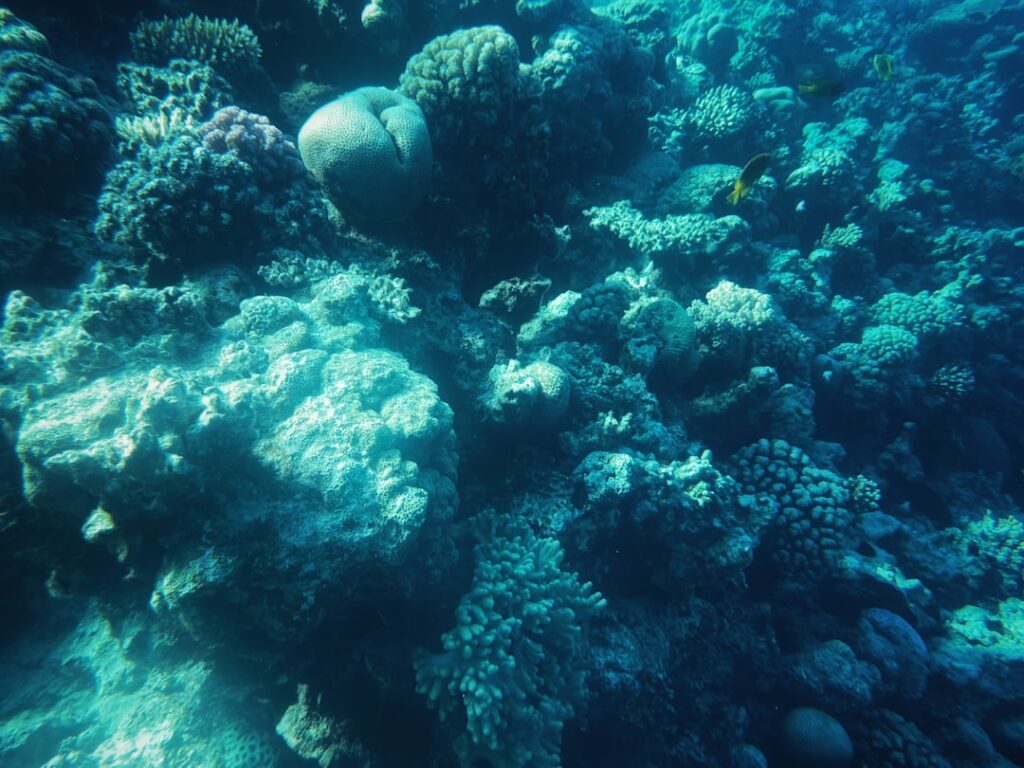
Image: GlobalBeat / 2026
Aqaba marine diving event 2026: Jordan hosts 25-nation Red Sea championship
James Okafor | GlobalBeat
Aqaba will stage a 25-country marine sports and diving championship in September 2026.
The Jordanian port city won the rights after outbidding four Red Sea rivals. Organizers project $18 million in direct tourism revenue.
The event lands as Jordan pushes tourism to 12 percent of GDP by 2028. Aqaba’s coral reefs already draw 200,000 divers a year.
Jordan’s Tourism Board chair Rakan Qutub signed the host contract with the World Underwater Federation on Thursday. “This is the largest marine sports event ever held in the Kingdom,” Qutub told reporters at Aqaba’s InterContinental resort. He said 400 athletes, 150 judges and 3,000 accompanying visitors will book every sea-front room during peak reef season.
The championship combines six disciplines: reef photography, distance freediving, underwater orienteering, rescue simulations, night diving and coral restoration speed trials. Points from each contest feed a single team table, a format last used at the 2012 Phuket games.
Egypt, Saudi Arabia and Israel have already confirmed teams. Gulf states will compete as a unified squad for the first time, organizers said. Germany and South Korea lead the European and Asian entries.
Aqaba’s Special Economic Zone Authority will waive entry fees for sporting equipment and issue 72-hour e-visas for athletes. “We want the athletes posting coral selfies, not paperwork,” authority chief Nayef Bakhit said.
Organizers plan to sink two decommissioned Jordanian navy patrol boats 20 meters down to create new dive sites before the opening ceremony. Marine biologists from the University of Jordan will monitor fish colonization for a year, data they say will guide future reef expansion.
Local dive shops expect a record autumn. “September is normally quiet after the European summer exodus,” said Ahmed Salameh, owner of Red Sea Dive Club. He has ordered 60 new regulators and hired 12 multilingual dive masters. “We’ll run four boats daily just for training zones.”
The event wraps one month before nearby COP 29 talks in Sharm el-Sheikh, giving Jordan a stage to showcase reef protection efforts. Coral bleaching hit 18 percent of Aqaba’s reefs during 2023’s heat wave, far below the 60 percent average for the northern Red Sea.
Background
Jordan’s coastline stretches just 27 kilometers, but its reefs sit at the northern tip of the Red Sea’s biodiversity hotspot. Forty species of hard coral survive in water that stays above 20 °C year-round, attracting butterflyfish, napoleon wrasse and the occasional whale shark.
Aqaba last hosted an international underwater event in 2005, a modest photography cup with 11 nations. Regional tourism stalled after the 2008 financial crash and the Arab Spring spillover of 2011. Visitor numbers rebounded in 2017 when visa fees were dropped for 50 nationalities.
The World Underwater Federation rotates its flagship championship every four years. The 2022 edition in Jeju, South Korea, drew 28 countries and generated $12 million for the island province. Egypt lobbied hard for 2026 but lost on concerns over reef crowding at Hurghada.
Jordan’s tourism revenue hit $5.1 billion in 2024, exceeding pre-pandemic levels for the first time. Government targets call for 8 million annual visitors by 2030, up from 6.3 million last year.
What’s Next
Course design starts this July when federation inspectors map reef buoy lines and anti-collision zones. Ticketed spectator boats go on sale in March 2026 through the official Aqaba 2026 site, with day passes starting at 25 dinars ($35). Athletes must register final squads by 1 August, and medal ceremonies will be held on a floating stage opposite the old fort where T.E. Lawrence once passed.
Climate forecasters will watch September temperatures closely. If the mercury climbs above 34 °C for three straight days, organizers say they will shift afternoon events to 6 a.m. starts. Coral scientists insist the time change is more than optics. “Heat stress peaks between 2 and 4 p.m.,” said marine ecologist Khuloud Al-Ajlouni. “Running races at dawn could cut bleaching risk by half.”
Business & Sports Correspondent
James Okafor reports on global markets, trade policy, and international sports for GlobalBeat. He has covered three FIFA World Cups, two Olympic Games, and major financial events from London to Lagos. He specialises in African economies and emerging market stories.