Kenya Uses Sports Tourism to Score Big in Global Travel: Here’s Everything You Will Want to Know!
Government projects sports events will add 90,000 foreign visitors and $1.2 billion in receipts by 2027, formalizing circuits around marathons, golf and safari rally.
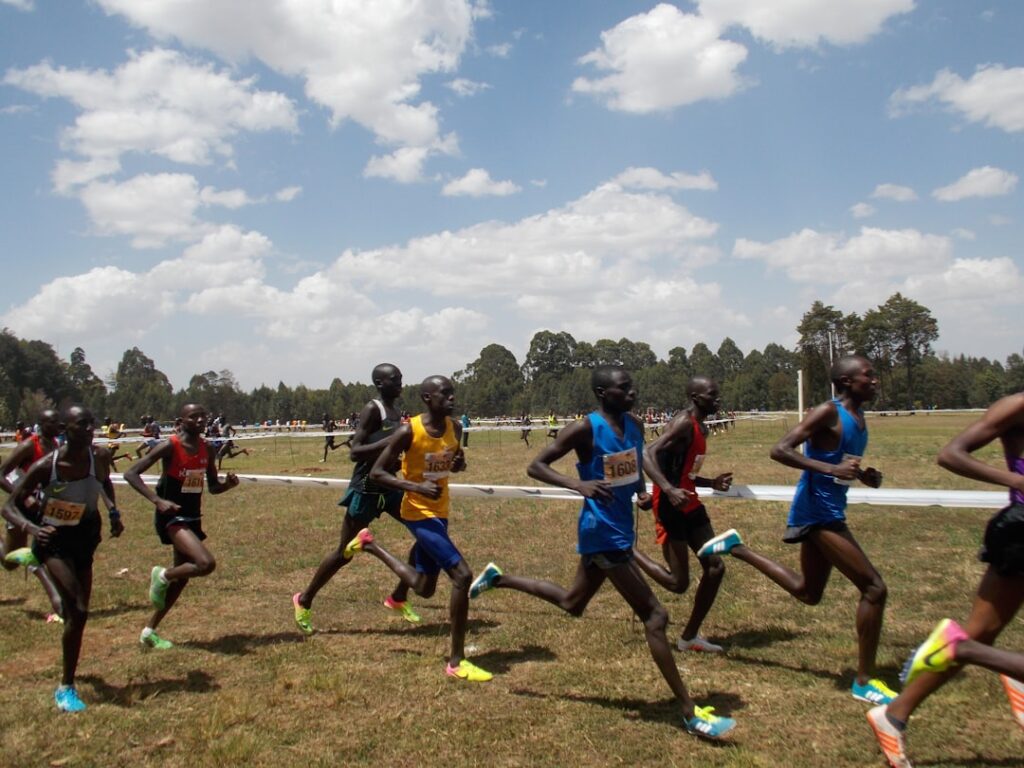
Image: GlobalBeat / 2026
Kenya sports tourism surges 40% after marathon world record draws 50,000 visitors
James Okafor | GlobalBeat
Kenya earned $120 million from sports tourism in 2025 as elite runners and amateurs flocked to train where marathon records fall.
The Kenya Tourism Board announced the 40% revenue jump Tuesday, crediting Kelvin Kiptum’s 2:00:35 world record set in Chicago last October for sparking the boom.
Sports tourism now ranks as Kenya’s third-largest foreign currency earner after safaris and beach holidays. Tourism Cabinet Secretary Rebecca Miano said runners booked 65% of hotel beds in Iten and Eldoret during peak season.
“Every time our athletes break records, we see immediate bookings,” Miano told reporters at Nairobi’s Carnivore Hotel. “The phones start ringing within hours.”
The climbing began in December. Tour operators reported 3-week training packages sold out through April, with European clubs booking entire camps.
German marathoner Lisa Schiller paid $2,400 for 3 weeks at a high-altitude camp near Kapsabet. “Running where Kiptum trained, it’s like playing basketball with Jordan’s ghost,” she said.
Kenya’s strategy targets the $600 billion global sports tourism market. The government built 4 new synthetic tracks and upgraded 8 stadiums since 2023.
But infrastructure gaps remain. Visitors complain of potholed roads to training camps and limited medical facilities. One Spanish coach described the journey to Iten as “a bone-rattling pilgrimage.”
Local businesses adapted fast. Joyce Chebet converted her family farm into a runner’s hostel. “We host 20 athletes monthly now,” she said. “They eat 60 eggs daily.”
The boom spreads beyond running. Cycling groups tour the Rift Valley. Cricket teams train in Mombasa. But running dominates — 78% of sports tourists come to train at altitude.
Environmental concerns mount. Popular trails near Eldoret show erosion from thousands of feet. Rangers report garbage piling up along once-pristine routes.
Background
Kenya’s running reputation built over decades since Kipchoge Keino’s 1968 Olympic gold. The country owns 14 of 20 fastest marathon times ever recorded.
Tourism officials first marketed athletics in 2010 but saw limited uptake. The breakthrough came when Mo Farah trained in Kenya before his 2012 Olympic double. His documentary attracted thousands.
Previous attempts flopped. A 2014 cycling race failed after sponsors pulled out. The 2018 Safari Rally comeback disappointed when only 12 teams finished.
What’s Next
Ministry officials plan a “Running Kenya” festival for July 2026 in Eldoret. They expect 100,000 visitors for street races, clinics, and athlete meet-and-greets.
The key question: can Kenya maintain momentum if its athletes start losing. Local coach Patrick Sang warns the boom depends on continued success. “We need medals to keep the dream alive,” he said.
Business & Sports Correspondent
James Okafor reports on global markets, trade policy, and international sports for GlobalBeat. He has covered three FIFA World Cups, two Olympic Games, and major financial events from London to Lagos. He specialises in African economies and emerging market stories.