Live updates: Energy prices soar as attacks on Middle East gas facilities escalate
Global energy prices jump after fresh attacks on Middle East gas sites, with Brent crude up 3% and European gas futures surging.
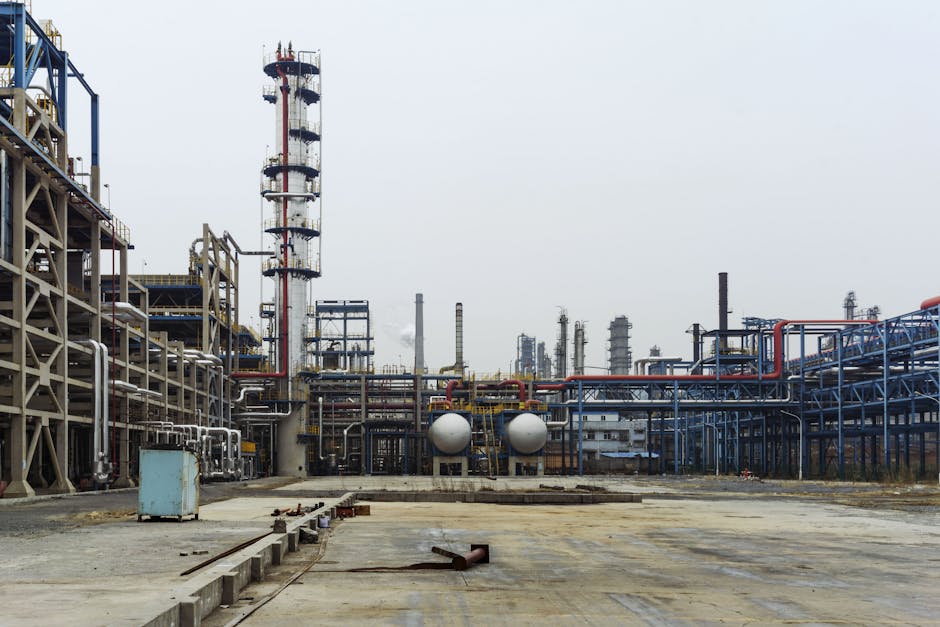
Image: GlobalBeat / 2026
Middle East gas attacks: Brent crude jumps 14% after Ras Laffan strikes
Muhammad Asghar | GlobalBeat
Brent crude soared 14% to $89 a barrel after predawn drones hit Qatar’s Ras Laffan liquefied natural gas terminal on Wednesday.
The assault on Ras Laffan knocked out 45% of Qatar’s LNG export capacity and sent European natural gas futures up 23%.
The strike came two days after similar explosions halted flows at Iran’s South Pars field, which provides 28% of EU winter LNG supplies.
Qatar’s Energy Ministry said the terminal would remain closed for “at least a week” while engineers inspect cracked ethylene tanks and flare stacks. Energy traders told Reuters the disruption removes 1.8 million tonnes of monthly LNG from a market already tight after Red Sea shipping curbs.
Video circulated on Iranian state television showed multiple explosions at 03:42 local time and a pillar of orange flame rising above spherical storage tanks. The ministry said the drones arrived from the northwest, a flight path that crosses Bahrain and Saudi airspace.
European benchmark TTF gas leapt to €54 a megawatt-hour, the highest since December 2023. UK prompt prices surged 26% within two hours, prompting National Grid to issue a gas deficit warning for evening peak demand.
Germany’s economy ministry confirmed it will reopen three coal-fired reserve plants on Thursday to reduce gas burn for electricity. “We do this only when physical supply is endangered,” a ministry spokesperson told reporters in Berlin.
Asian buyers rushed to replace Qatari cargoes. Japan’s JERA cancelled a tender for June delivery and paid a record $14 per million British thermal units to divert a US cargo from Europe, traders said.
The attacks follow an unexplained blast on Monday at South Pars that killed 2 engineers and cut 42 million cubic metres per day of output. Tehran blamed “technical failure,” but two regional security sources told CNN the site was struck by loitering munitions.
The US Fifth Fleet said it intercepted a drone boat packed with 450 kg of explosives heading for the Saudi Kidan gas processing plant on Tuesday. No group claimed responsibility for any incident.
Saudi Energy Minister Prince Abdulaziz bin Salman chaired an emergency call with Gulf counterparts. “We will use domestic stocks and coordinate to keep global markets supplied,” he said after the call, according to state news agency SPA.
Washington pledged “additional air-defence systems” for Qatar and Bahrain within days. President Joe Biden told reporters the deployments “will protect energy infrastructure critical to our allies.”
Oil analysts warned of further spikes. “If a second wave hits Saudi’s Juaymah or UAE’s Das, Brent could reach $110,” RBC Capital’s Helima Croft told clients.
Gas pipeline operators in Italy and Greece issued notices asking industrial users to volunteer 15% demand cuts in exchange for payment, echoing 2022 emergency plans.
Shipbrokers said LNG tanker rates in the Atlantic jumped to $118,000 a day, the highest since the Ukraine war, as traders sought replacement cargoes from the United States and Nigeria.
QatarEnergy chief Saad al-Kaabi visited the damaged site at dawn. “We will prioritise existing long-term customers but spot availability is cancelled until further notice,” he told state TV.
France’s Engie confirmed it is receiving “full contractual volumes” under its 27-year supply deal but added that two optional winter cargoes for 2024 are “under review.”
Italian energy group Eni said it activated reserves at the Panigaglia terminal and ordered two additional cargoes from Algeria to offset potential losses.
Reuters shipping data showed at least 6 LNG carriers anchored off Ras Laffan with loading suspended. Vessel tracker Kpler estimated combined cargo value at $540 million.
Background
The Gulf region supplies 23% of global liquefied natural gas through Qatar’s North Field, shared with Iran as South Pars. Since 2022 Europe has increased LNG imports by 58% to replace Russian pipeline gas, making Gulf infrastructure a strategic chokepoint.
Previous attacks in the region include the 2019 Abqaiq–Khurais strike that temporarily cut Saudi oil output by 5% and drone raids on UAE oil depots in 2022. Neither incident caused long-term supply disruption, but insurers raised war-risk premiums that persist today.
What’s Next
QatarEnergy scheduled a briefing on Thursday to announce revised export schedules, while the International Energy Agency convenes an emergency board on Friday to discuss stock releases. Investors will watch for any retaliatory strikes when Israel’s war cabinet meets on Sunday, officials said.
European utilities now face a potential 18 billion cubic metre shortfall if Gulf outages persist through summer cooling season, prompting governments to prepare rationing schemes for heavy industry.