Live updates: Trump threatens to ‘obliterate’ Iran’s energy sources, as Tehran calls US plan ‘unrealistic’
Trump vows to “obliterate” Iran’s energy infrastructure; Tehran dismisses threat as “unrealistic,” raising Middle East tensions.
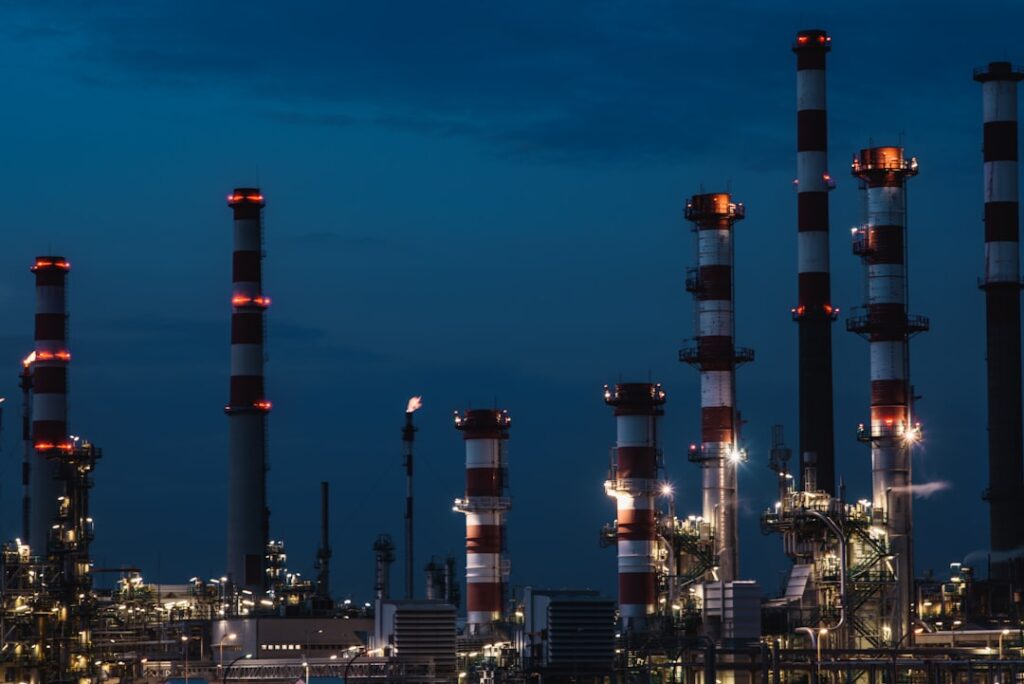
Image: GlobalBeat / 2026
Trump Iran threat: President vows to destroy energy sites as Tehran dismisses attack plan
Muhammad Asghar | GlobalBeat
President Donald Trump threatened to “obliterate” Iran’s energy infrastructure if Tehran refuses nuclear concessions, prompting Iranian officials to label the proposal unrealistic.
The warning came during a televised address where Trump detailed potential strikes on oil refineries, pipelines, and power plants across Iran’s energy sector.
Tensions between Washington and Tehran have escalated since Trump’s November 2026 reelection, with both sides exchanging threats over Iran’s advancing nuclear program. Iranian officials said any US attack would trigger immediate retaliation against American bases and allies in the region.
Trump laid out specific targets during his 45-minute address from the White House. “We’ll take out their refineries at Abadan, hit the Kharg Island terminal, and destroy every major power station from Bushehr to Tehran,” the president said. He claimed the strikes would cripple Iran’s economy within weeks and force its leaders to abandon uranium enrichment.
Iranian Foreign Minister Abbas Araqchi responded within hours. “The Americans speak of military options they cannot execute,” he told state television. “Their forces are stretched across multiple theaters, and our defenses span every corner of Persian territory.” Araqchi warned that Iran had identified 400 US military targets across the Middle East for immediate counterstrikes.
The Pentagon began moving additional aircraft carriers to the region following Trump’s speech. Defense Secretary John Ratcliffe confirmed the USS Eisenhower and USS Roosevelt carrier groups would join the USS Lincoln already stationed near the Strait of Hormuz. Each carrier carries approximately 70 aircraft, tripling US strike capability in the area.
Oil markets reacted immediately to the escalating rhetoric. Brent crude surged 8 percent to $97 per barrel, its highest level since September 2025. Saudi Arabia’s energy minister Prince Abdulaziz bin Salman indicated OPEC members would increase production to offset potential Iranian supply disruptions. “We maintain 3 million barrels per day of spare capacity for exactly these scenarios,” he told reporters in Riyadh.
European powers urged restraint from both sides. French President Emmanuel Macron called Trump directly, warning that strikes on Iranian infrastructure could send oil prices above $150 and trigger global recession. British Prime Minister Keir Starmer convened an emergency cabinet meeting to discuss protecting UK shipping lanes through the Persian Gulf. “We need diplomatic solutions, not military escalation,” Starmer told parliament.
Israel prepared its missile defense systems for potential Iranian retaliation. The Israeli military raised its alert level and began distributing gas masks to civilians in northern cities. Defense Minister Israel Katz said his country would respond forcefully to any Iranian attack launched in response to US strikes. “Tehran knows we can reach every corner of Iran if provoked,” Katz stated.
China condemned Trump’s threats and vowed to protect its energy investments in Iran. Beijing has poured $400 billion into Iranian oil fields and pipelines over the past five years. Foreign Ministry spokesperson Lin Jian warned Washington that attacking Chinese assets in Iran would constitute “a hostile act against the People’s Republic.” He did not specify how China might respond to such scenarios.
Iran’s Revolutionary Guard conducted military exercises near the Strait of Hormuz following Trump’s speech. State television showed fast attack boats swarming larger vessels and anti-ship missiles being fired at mock targets. The narrow waterway handles 20 percent of global oil shipments daily. Any Iranian attempt to close the strait could send oil prices spiraling beyond $200 according to energy analysts.
Background
Trump withdrew the United States from the 2015 Iran nuclear deal during his first term, reimposing sanctions that had devastated Iran’s economy. The Joint Comprehensive Plan of Action had limited Iran’s nuclear activities in exchange for sanctions relief. Iran resumed uranium enrichment after the US withdrawal, now stockpiling enough material for multiple nuclear weapons according to international inspectors.
Multiple rounds of indirect talks between Washington and Tehran have failed since 2025. Iran demands complete sanctions removal as its starting position, while the US insists on permanent restrictions. European intermediaries have shuttled between capitals attempting to revive negotiations, but neither side has shown willingness to compromise on core demands.
What’s Next
Iran’s parliament will debate military responses to potential US strikes when it convenes Sunday. Lawmakers from hardline factions have already introduced bills authorizing attacks on US bases across the region. Supreme Leader Ayatollah Khamenei meets with military commanders Monday to review contingency plans. Any Iranian decision to accelerate uranium enrichment or expel international inspectors could trigger the US military action Trump has threatened.
Trump’s threats represent his most explicit warning to Tehran since returning to office, but Iran’s dismissal suggests both nations are locked in dangerous brinkmanship. The coming days will test whether economic pressure or military threats prove more effective in altering Tehran’s nuclear calculations. With regional allies preparing for conflict and global markets pricing in supply disruptions, the stakes extend far beyond US-Iran relations to encompass energy security and economic stability worldwide.
Senior Correspondent, World & Geopolitics
Muhammad Asghar covers international affairs, conflict zones, and US foreign policy for GlobalBeat. He has reported on events across the Middle East, South Asia, and Eastern Europe, with a focus on the intersection of diplomacy and armed conflict. He has been writing wire-service journalism for over a decade.