Live updates: White House says Iran war ceasefire will continue if Strait of Hormuz is open
White House conditions Iran ceasefire continuation on open Strait of Hormuz, per live updates.
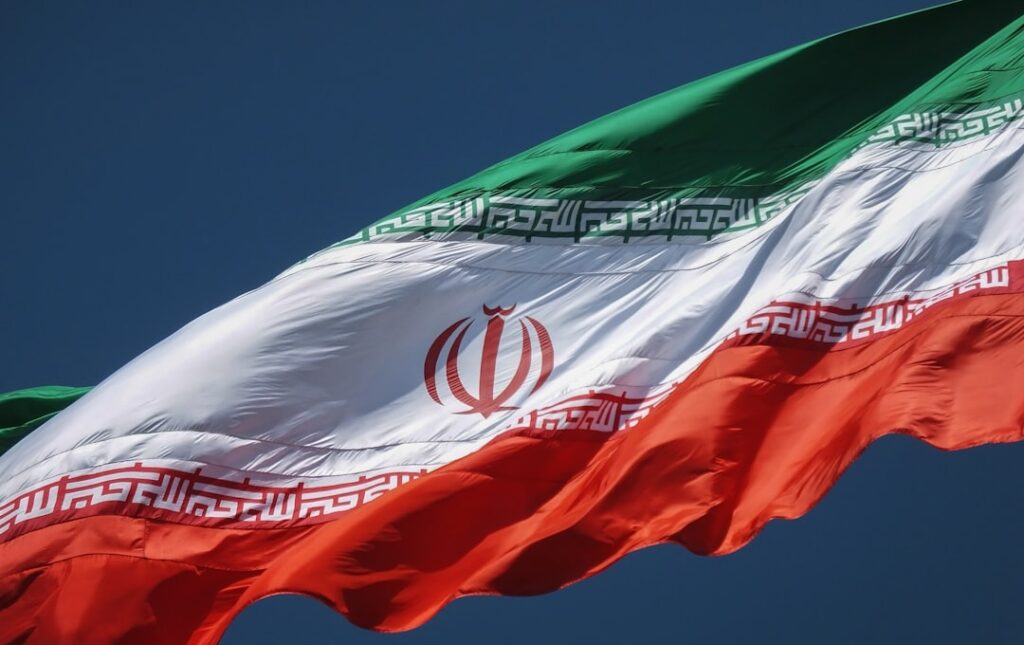
Image: GlobalBeat / 2026
Iran ceasefire 2025: White House vows truce holds if Hormuz stays open
Muhammad Asghar | GlobalBeat
The White House announced Tuesday the Iran war ceasefire will remain in place only if Tehran keeps the Strait of Hormuz open to commercial shipping.
Karoline Leavitt, the White House press secretary, told reporters in Washington the administration would “not hesitate to resume offensive operations” if Iran impedes traffic through the critical waterway through which 21 percent of global oil passes.
The warning sets a new red line for a truce that began March 30 after 18 days of US-UK airstrikes against Iranian nuclear and missile sites. Energy markets jumped 4 percent on the news as insurers re-evaluated war risk premiums for tankers loading in the Gulf.
The strait, only 21 nautical miles wide at its narrowest point, has seen no major disruptions since the ceasefire took effect. Satellite imagery released by the US Naval Institute shows Iranian Revolutionary Guard patrol boats maintaining positions inside territorial waters but not attempting boardings or seizures.
Leavitt spoke hours after President Donald Trump convened his national security team at Mar-a-Lago. The press secretary said Trump “reviewed classified intelligence indicating Iranian forces had repositioned coastal missile batteries” near Bandar Abbas, home to Iran’s largest naval base.
Shipping data shows 34 tankers transited the strait Monday, up from 11 on March 29, the day before the ceasefire. Average transit time has dropped to 6 hours from 19 during peak fighting, according to Lloyd’s List Intelligence.
The UK Maritime Trade Operations office confirmed no incident reports from merchant ships in the past 72 hours. A spokesperson told GlobalBeat the Royal Navy maintains two destroyers inside the Persian Gulf but “has not altered patrol patterns” since the White House statement.
Iran’s mission to the United Nations did not immediately respond to requests for comment. State television in Tehran broadcast a brief report quoting Foreign Minister Abbas Araghchi saying Iran “adheres to international maritime law” while reserving the right to defend its waters.
European diplomats expressed concern the US condition could destabilize the fragile truce. One EU official speaking on condition of anonymity said Brussels had urged Washington “to avoid public ultimatums that box either side into conflict.”
Oil traders said the market reaction reflected fears of a return to strikes that shut Iranian export terminals. Brent crude futures rose $2.84 to $74.16 per barrel in London trading, the highest level since mid-March.
The US Energy Information Administration estimates Iran exported 1.4 million barrels per day in March, down from 1.9 million in January before hostilities began. China bought 78 percent of those shipments, customs data shows.
Japanese refiners face particular risk as they rely on Gulf crude for 90 percent of supply. A spokesperson for JXTG Nippon Oil said the company holds 130 days of strategic reserves but “any prolonged disruption would force spot purchases at premium prices.”
Insurance executives said rates for Gulf voyages spiked again after falling during the ceasefire. A senior underwriter at Norwegian firm Skuld told GlobalBeat war risk premiums jumped to 0.85 percent of cargo value from 0.45 percent Monday morning.
The Pentagon maintains two carrier strike groups within striking distance. Defense officials said the USS Harry S. Truman continues operations in the Arabian Sea while the USS Carl Vinson completed a northward passage through the Red Sea.
Defense Secretary Pete Hegseth plans to brief congressional leaders Wednesday on rules of engagement under the ceasefire terms. House Armed Services Committee Chair Rep. Mike Rogers told reporters lawmakers want clarity “on what constitutes a strait closure warranting US force.”
Tanker owners described nervous crews monitoring radio chatter for any sign of Iranian patrol activity. The manager of a Greece-flagged suezmax said sailors remain at heightened alert despite the truce. “One rocket in the wrong place and all this talking is over,” he said by satellite phone.
Background
The Trump administration launched strikes March 12 after Iran’s Revolutionary Guard seized a Marshall Islands-flagged tanker carrying Saudi crude. The operation expanded to target Iran’s nuclear program following intelligence reports Tehran had accelerated uranium enrichment to 84 percent purity, just below weapons grade.
Previous Hormuz disruptions occurred in 2019 when Iran attacked six tankers and shot down a US drone. The incidents sent oil prices soaring 15 percent until Japan mediated indirect talks that eased tensions. Tehran’s tactics typically involve mines, limpet devices, or speedboat swarms rather than direct naval engagement.
What’s Next
Trump faces a May 1 deadline when the current 60-day authorization for military force expires without congressional renewal. Insiders say the president wants concrete Iranian concessions on both strait access and nuclear inspections before that date, setting up potential renewed conflict if talks stall.
Energy analysts warn any resumption of strikes could push Brent toward $90 per barrel during summer driving season. One Singapore-based trader predicted China would accelerate purchases from Russia while European refiners scramble for replacement barrels from Nigeria and Brazil.
Senior Correspondent, World & Geopolitics
Muhammad Asghar covers international affairs, conflict zones, and US foreign policy for GlobalBeat. He has reported on events across the Middle East, South Asia, and Eastern Europe, with a focus on the intersection of diplomacy and armed conflict. He has been writing wire-service journalism for over a decade.