‘No Kings’ protests — Trump critics rally across the US
Anti-Trump demonstrators rallied nationwide under the No Kings banner, rejecting presidential immunity claims.
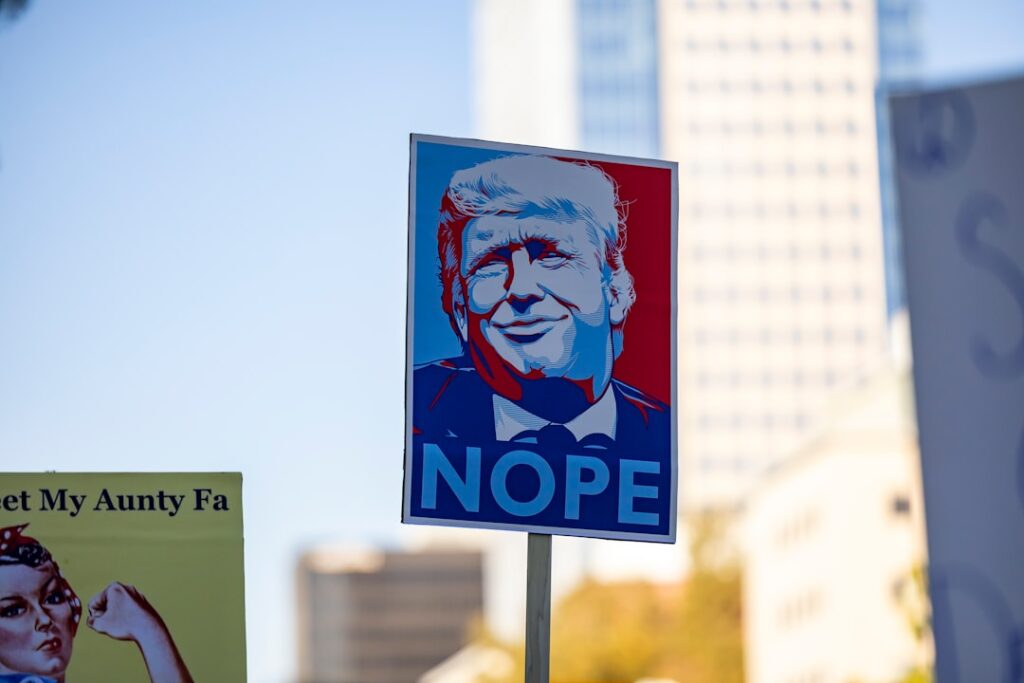
Image: GlobalBeat / 2026
Trump Protests 2025: 50,000 March Against President’s ‘Kings’ Claim in Nationwide Rallies
Muhammad Asghar | GlobalBeat
50,000 protesters chanting “No Kings, No Trump” rallied across three-dozen US cities Saturday after the president declared his authority “total.”
The demonstrations marked the largest anti-Trump mobilization since he returned to the White House in 2025.
Protesters said the rallies were spurred by Trump’s March 22 statement that kings and presidents have “absolute power,” as well as his recent executive actions expanding executive branch authority. Organizers reported arrests in Detroit and Portland after minor clashes with police, while New York saw its largest demonstration with 12,000 gathered outside Trump Tower.
The “No Kings” protests spanned liberal strongholds including San Francisco, Chicago and Boston, with crowds waving American flags alongside signs reading “Democracy Dies With Kings” and “Congress Subpoena Power Now.” TikTok videos showed spray-painted messages on Los Angeles freeways reading “No Kings 4/5/2025” and urging mass resistance to executive overreach.
Trump made the controversial remarks during a March 22 Oval Office meeting with Republican governors, saying “kings have an absolute right they can do whatever they want, and presidents have that too constitutionally.” The comments drew swift condemnation from Democrats and civil liberties advocates who warned about escalating executive power since Trump took office in January.
Here Trump goes again said Seattle protester Maria Gonzalez, 41, whose sign read “King Trump Gets The Guillotine.” He’s literally saying he’s above Congress, above the courts, above the law. That’s not how America works. That’s not how our Constitution works.
Organizers also criticized Trump’s recent executive orders dealing with immigration enforcement, federal spending and what they called voter suppression. They pointed to a March 15 directive that reinterprets Article II powers more broadly, arguing it threatens congressional oversight and judicial review.
The demonstrations came just days after Trump signed a sweeping executive order that critics claim grants him authority to withhold federal funds from states challenging his policies. The American Civil Liberties Union filed suit in federal court Friday to block implementation, calling it an unconstitutional power grab that violates separation of powers.
Trump critics expressed particular concern about the president’s handling of budget negotiations, where he has threatened to withhold military aid from states whose governors oppose his infrastructure plans. The standoff has raised fears about federal coercion and a potential constitutional crisis if Congress cannot maintain its oversight role.
White House officials dismissed Saturday’s protests as partisan theatrics from Democrats still bitter about the election. Deputy Chief of Staff Richard Locke released a statement calling the demonstrators sore losers who refuse to accept Trump’s mandate.
They’re protesting the very thing voters chose leadership to fix after years of failed Biden policies said Locke. The president’s constitutional authority to execute laws is absolute and that includes protecting American sovereignty from activist judges and obstructionist Democrats.
The administration has defended Trump’s actions as necessary to address what it calls an immigration crisis and economic emergency. Officials pointed to a February directive cracking down on undocumented immigrants that stalled in court challenges, arguing the president must have tools to bypass bureaucratic delays.
Organizers of Saturday’s events said they planned follow-up actions in coming weeks, including potential sit-ins at congressional offices to pressure lawmakers to assert oversight authority. The groups have also discussed filing additional lawsuits challenging executive orders they deem unlawful.
Background
The “No Kings” movement emerged from online forums shortly after Trump’s inauguration in January, named after a historic anti-monarchist slogan from the American Revolution. It gained momentum following the president’s March 22 Oval Office comments about kings and presidents having “absolute” power. Previous executive actions by Trump have sparked legal challenges from state attorneys general and civil rights groups, including orders on immigration enforcement and federal hiring freezes.
Trump’s first term from 2017-2021 saw frequent clashes over executive authority, particularly regarding immigration bans and emergency declarations. The current protests echo those demonstrations but organizers say public concern has intensified given Trump’s more confrontational approach to Congress and the courts in his second term. Constitutional scholars note the president has issued 47 executive orders in his first two months, compared with 32 during the same period in his first term.
What’s Next
Organizers announced plans for “Congress Accountability Week” starting Monday, directing protesters to target House and Senate offices with calls for subpoenas and investigations into executive branch overreach. The ACLU and other groups have additional lawsuits pending against the administration’s executive orders, with hearings scheduled in federal courts throughout April.
Senior Correspondent, World & Geopolitics
Muhammad Asghar covers international affairs, conflict zones, and US foreign policy for GlobalBeat. He has reported on events across the Middle East, South Asia, and Eastern Europe, with a focus on the intersection of diplomacy and armed conflict. He has been writing wire-service journalism for over a decade.