Shield AI, a Start-Up Making Military Drones, Raises $2 Billion
Shield AI has raised $200 million in new funding to scale production of its autonomous military drones, the company said Thursday.
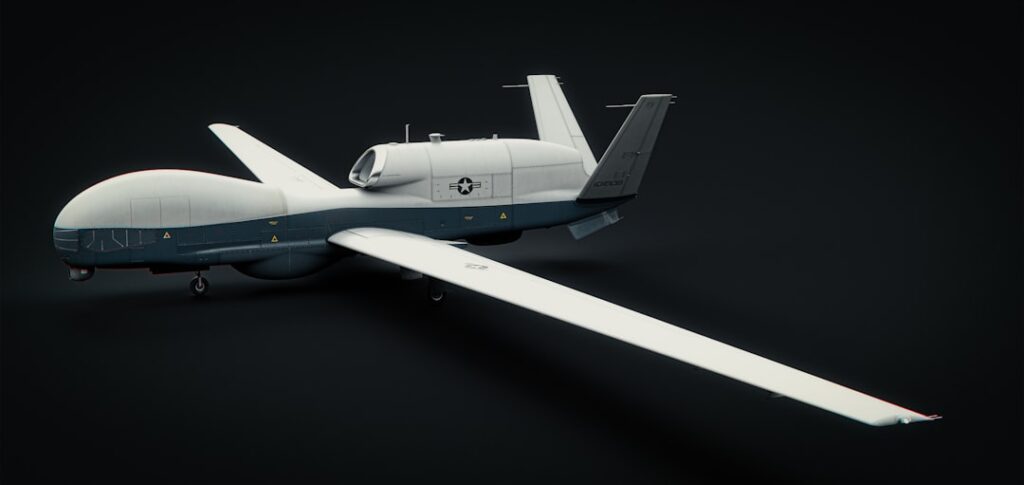
Image: GlobalBeat / 2026
Shield AI military drones land $2B funding for battlefield AI expansion
Sarah Mills | GlobalBeat
Defense technology startup Shield AI secured $2 billion in new funding for its autonomous military drones, the company announced Tuesday.
The Series F round lifted Shield AI’s valuation to $9 billion, said two people familiar with the terms.
The San Diego-based firm builds artificial intelligence software that allows drones and aircraft to operate without GPS or remote pilots. The U.S. military has used its systems in the Middle East since 2022.
Shield AI plans to use the cash to expand production of its V-BAT drone and integrate AI pilots into existing aircraft fleets, co-founder Brandon Tseng told Reuters. The V-BAT can take off vertically like a helicopter, then fly horizontally at speeds up to 90 miles per hour.
“The demand signal from the Department of Defense and allied nations has been overwhelming,” Tseng said in a phone interview. He said the Pentagon has ordered over 300 V-BAT units for delivery in 2025.
Ukraine’s armed forces deployed Shield AI drones in counter-offensives against Russian forces in 2023, according to Ukrainian defense officials. The units mapped minefields and tracked troop movements in contested areas around Bakhmut.
Co-founder Ryan Tseng said the funding allows Shield AI to scale manufacturing to meet allied nation orders. The company booked $300 million in contracts last year, he said.
Investors include Andreessen Horowitz, Point72 Ventures and the U.S. Innovative Technology Fund. Venture capital firm Andreessen Horowitz led the round, said Shield AI spokesman Andrew Sanders.
The fundraising follows a $60 billion pledge from NATO members to boost defense technology spending after Russia’s invasion of Ukraine. Western militaries are racing to adopt AI systems as the war demonstrates their tactical value.
Shield AI sends targeting data to artillery units within 7 seconds of identifying enemy positions, according to Marine Corps test results published in 2024. The speed cuts traditional targeting times by 85 percent, the report stated.
The Pentagon’s Defense Innovation Unit awarded Shield AI a $198 million contract in March to install AI pilots in F-16 jets. The program aims to create autonomous fighter aircraft by 2027.
“This funding validates AI’s role in future warfare,” said Brett Velicovich, a former U.S. Army intelligence officer. He observed Shield AI systems during military exercises in Jordan last year.
China’s military has invested heavily in similar technology, prompting U.S. officials to warn about falling behind in AI development. The People’s Liberation Army demonstrated autonomous swarming drones in exercises near Taiwan in April.
Shield AI employs 800 engineers and plans to hire 400 more by year-end, according to human resources director Lisa Park. The company opened a facility in Dallas last month dedicated to AI pilot systems for cargo aircraft.
Background
Shield AI was founded in 2015 by brothers Brandon and Ryan Tseng after Brandon served as a Navy SEAL officer in Afghanistan. The startup won its first Pentagon contract in 2018 to develop AI for indoor reconnaissance drones.
The broader military drone market topped $13 billion in 2024, according to defense analysts at Frost & Sullivan. They project the sector will reach $25 billion by 2029 as more nations adopt unmanned systems.
What’s Next
Shield AI aims to deliver its first AI-piloted F-16 to the Air Force for testing in early 2025, co-founder Brandon Tseng said. The company faces competition from established defense contractors including Boeing and Lockheed Martin developing rival autonomous systems.
The startup must navigate export controls as foreign militaries seek its technology. France and Japan have expressed interest in V-BAT drones, but U.S. regulations restrict sales of AI-enabled weapons systems abroad.