There’s an inflation wave coming – what does the Iran war mean for the UK economy?
Iran conflict may impact UK economy through inflation and economic instability.
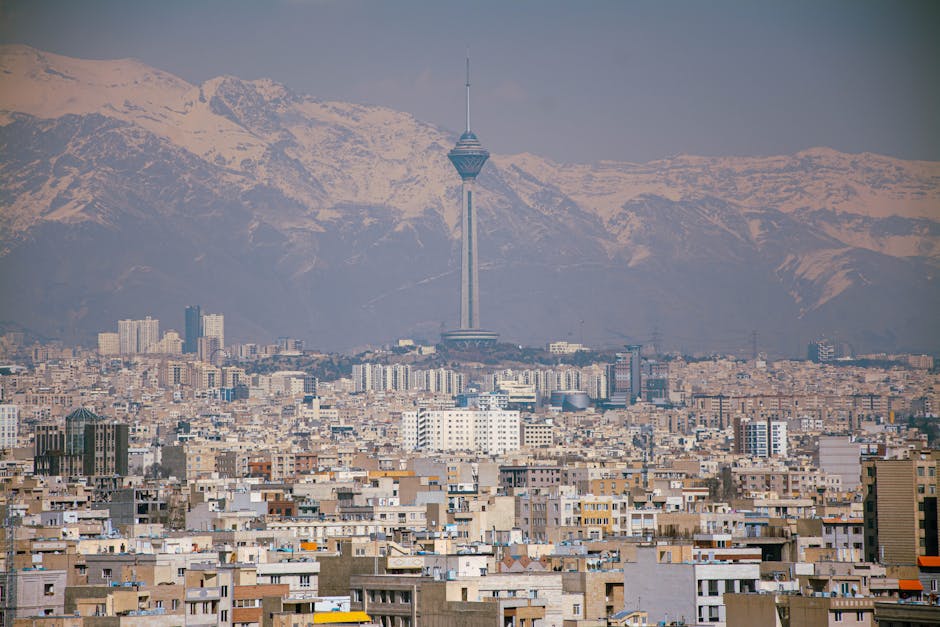
Image: GlobalBeat / 2026
UK businesses face inflation due to Iran conflict on January 8 in London, amid rising tensions.
Iran’s conflict escalates, affecting global markets and economies. The UK economy is particularly vulnerable due to its reliance on international trade. Experts warn of rising inflation and potential economic instability.
Analysts said the Iran conflict will disrupt global oil supplies, driving up prices. This increase will have a ripple effect, impacting various industries and consumer goods. The UK’s inflation rate may surge as a result.
A senior official at the Bank of England said the situation is being closely monitored. “We are assessing the potential impact of the Iran conflict on the UK economy,” the official stated. The Bank of England may need to adjust interest rates to mitigate the effects of inflation.
The UK’s trade relationships with other countries will also be affected. The conflict may lead to increased tariffs and trade barriers, further exacerbating the economic situation. Businesses are advised to prepare for potential disruptions to their supply chains.
Economists predict a challenging year ahead for the UK economy. The Iran conflict is just one of several factors contributing to uncertainty. The UK’s exit from the European Union and ongoing global economic trends will also play a role in shaping the country’s economic future.
The UK government will convene an emergency meeting next week to discuss the economic implications of the Iran conflict and potential measures to support businesses and consumers, as the situation continues to unfold.