Trump news at a glance: president claims ignorance of Israel’s plan to strike Iranian gasfield, exposing rift
Trump says he was not told of reported Israeli plan to hit Iranian gasfield, underscoring U.S.-Israel strains.
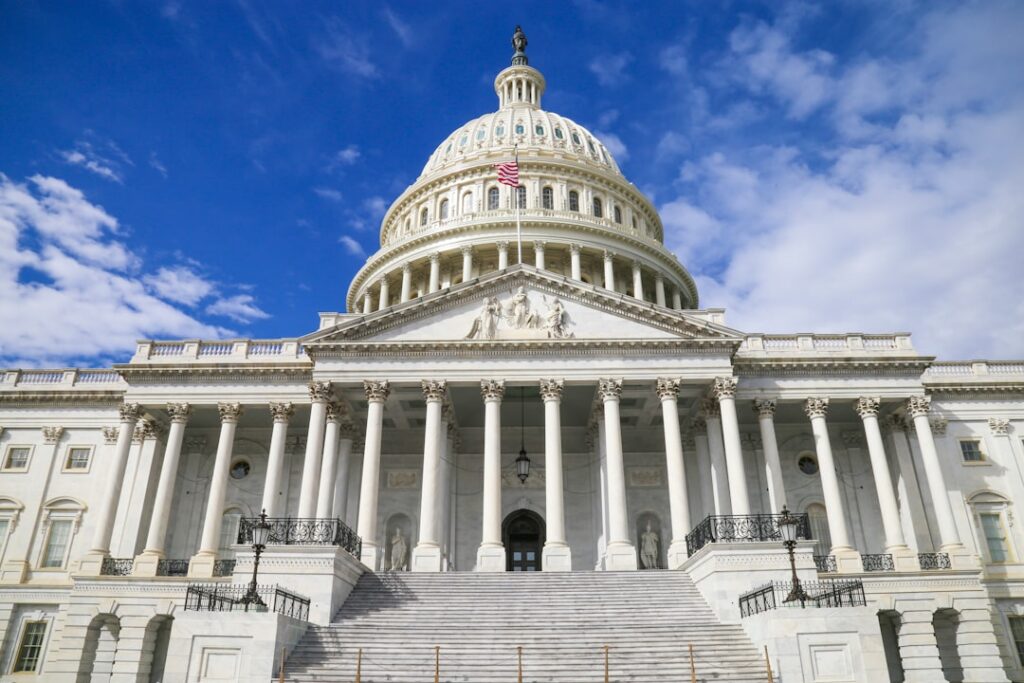
Image: GlobalBeat / 2026
Trump denies advance knowledge of Israeli plan to hit Iran gasfield, exposing rift
Muhammad Asghar | GlobalBeat
U.S. President Donald Trump said he was not informed of Israel’s intention to strike an Iranian offshore gasfield, according to remarks that revealed rare daylight between the allies.
Israeli jets struck the Kangan petro-gas complex in the Persian Gulf early Monday after weeks of signals that Jerusalem viewed the site as a revenue lifeline for Tehran, Israeli officials confirmed.
The admission of U.S. exclusion from planning complicates Trump’s claim of “total coordination” with Prime Minister Benjamin Netanyahu on Iran policy, congressional aides told reporters.
Israel informed Washington of the operation “minutes before take-off,” a senior U.S. defense official said, speaking on condition of anonymity because he was not authorized to discuss classified timelines.
Trump told reporters at the White House that “nobody told me ahead of time,” adding that he learned of the bombing “when the planes were already in the air,” according to a transcript released by the press office.
The strike targeted a compression platform linked to the Kangan field that handles 50 million cubic metres of gas per day, the National Iranian Oil Company said in a statement carried by state media.
Netanyahu’s office declined to comment on Trump’s statement, referring questions to the military. The Israel Defense Forces said in a brief statement that the operation was “conducted independently” and aimed at “disrupting strategic funding channels.”
Iran’s foreign ministry called the attack a “blatant violation of sovereignty” and vowed to respond “at a time and place of our choosing,” spokesman Esmail Baghaei told state television.
U.S. Defence Secretary Pete Hegseth convened a secure video call with Israeli counterpart Israel Katz within an hour of the bombing, Pentagon spokesperson Sue Gough confirmed. She gave no details of the discussion.
Democratic lawmakers seized on Trump’s remarks as evidence of erratic policymaking. “If the president truly wasn’t looped in, that’s either a catastrophic intel failure or a dangerous deception,” Senate Intelligence Committee vice-chair Mark Warner said in a statement.
Oil prices jumped 4.2 % to $77.30 a barrel on news of the strike, before easing to $76.10, data from ICE Futures Europe showed. The Kangan complex feeds the Pars pipeline that supplies petrochemical plants handling 300,000 barrels per day of condensate, consultants FGE Energy said.
Analysts warned the damage could tighten global liquefied petroleum gas supply ahead of winter. “Any prolonged outage risks knock-on effects for Asian buyers,” Energy Aspects analyst Richard Bronze wrote in a note.
Israel has struck Iranian-linked targets in Syria for years but rarely hits facilities inside Iran itself. The last acknowledged attack on Iranian energy infrastructure was a 2022 drone swarm against a Khuzestan refinery that caused minor damage, according to the Centre for Strategic and International Studies.
Iranian state media broadcast footage of flames licking a coastal platform but gave no casualty figures. The semi-official Tasnim agency reported that firefighting vessels had brought the blaze under control by dawn.
The U.S. maintains about 40,000 troops in the region, including a carrier strike group in the Gulf. Commanders were ordered to raise the threat level “as a precaution,” Central Command spokesperson Colonel Michael DeMaio told reporters without specifying details.
Trump has imposed a so-called “maximum pressure” sanctions campaign since his return to office, aiming to drive Iranian oil exports, already below 1 million barrels per day, toward zero, Treasury officials said last month.
Israel and Iran have traded fire directly since April 2024, when an Israeli embassy compound in Damascus was bombed and Iran retaliated with a 300-missile salvo. Monday’s strike marks the first targeting of a hydrocarbon asset inside Iran since that exchange, according to the International Institute for Strategic Studies.
European Union foreign policy spokesperson Anitta Hipper urged “maximum restraint” and warned that civilian energy infrastructure “is protected under international humanitarian law,” a statement released in Brussels said.
Russia’s foreign ministry condemned the raid as “reckless adventurism” that “undermines regional stability,” spokeswoman Maria Zakharova told a briefing in Moscow.
Background
Relations between Washington and Jerusalem have remained tight since Trump exited the 2015 Iran nuclear deal in 2018 and reinstated sweeping sanctions. Yet Israeli leaders have occasionally complained of inconsistent advance consultation, including during the 2020 drone killing of Iranian general Qassem Soleimani when then-prime minister Netanyahu said Israel received only hours of notice, according to leaked cables published by Axios.
Trump has repeatedly claimed he ended “endless wars” in the Middle East, ordering the withdrawal of U.S. troops from northern Syria in 2019 and more recently directing the Pentagon to cap Iraq deployments at 2,500. Still, his administration has approved billions in military aid to Israel and facilitated normalization deals with Arab states, placing Jerusalem at the centre of the administration’s regional strategy.
What’s Next
Iran is expected to raise the incident at the United Nations Security Council after submitting a formal complaint late Monday, diplomats told Reuters. A closed-door meeting could occur within 48 hours if nine members agree to the agenda, they said. Meanwhile, Israeli officials said the security cabinet will convene Tuesday to review “follow-up options,” according to public broadcaster Kan.
Congressional hearings on the administration’s Iran policy are already scheduled for next week, and Democratic staff told reporters they will seek testimony from Pentagon and State Department officials about whether U.S. intelligence assets were used in planning the raid. Any evidence of direct support could widen the rift with Tehran and test Trump’s non-interventionist stance ahead of the 2026 mid-term elections.