Trump says he’s considering ‘winding down’ Iran war even as US sends more troops to region
Trump says he may scale back Iran hostilities as U.S. deploys additional troops to the Gulf, officials confirm.
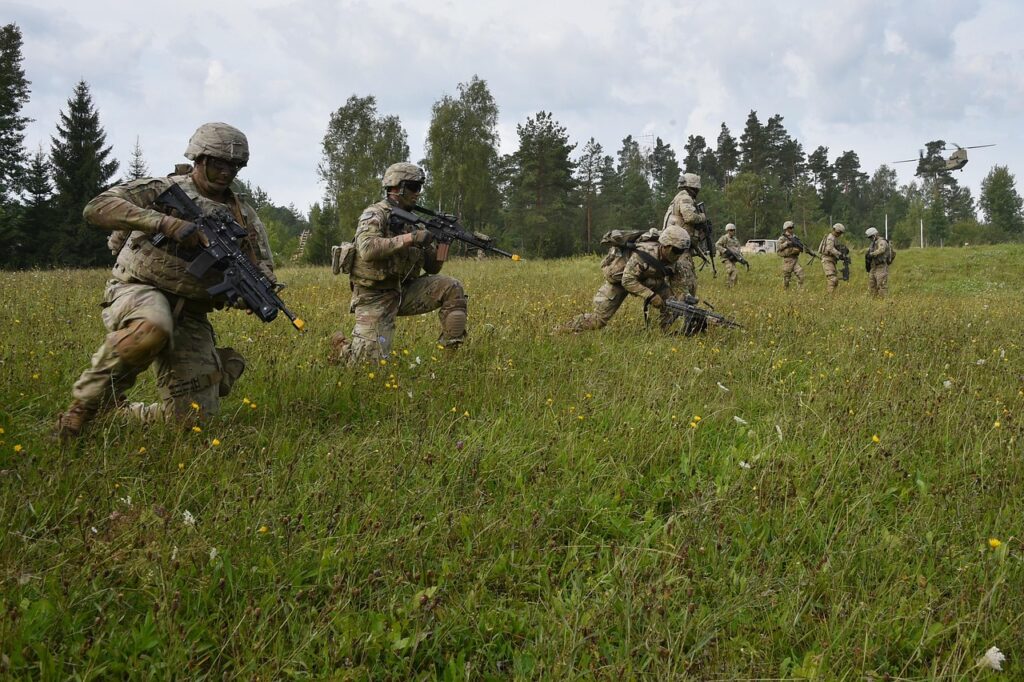
Image: GlobalBeat / 2026
Trump mulls Iran war exit as 3,000 US troops deploy to region
Donald Trump said on Tuesday he is considering “winding down” military confrontation with Iran as the Pentagon announced it will send 3,000 additional troops to the Middle East.
The deployment brings total US forces in the region to over 50,000 despite Trump’s statement that he wants to reduce tensions following last week’s Iranian missile strikes on American bases in Iraq.
The president’s comments marked his first public suggestion that the cycle of escalation that brought Washington and Tehran to the brink of open war could be ending. Iran fired 22 ballistic missiles at two Iraqi bases housing US personnel on January 8 in retaliation for the American drone strike that killed Iranian commander Qassem Soleimani in Baghdad.
Speaking to reporters at the White House, Trump said the Iranian strikes had caused no American casualties and minimal damage. He indicated he would respond with economic sanctions rather than military force. “I think we are winding it down,” he said.
The Pentagon gave a different message hours later. Defense Secretary Mark Esper said the additional troops would deploy “to assure our partners and to deter further Iranian bad behavior.” Officials said the forces include paratroopers from the 82nd Airborne Division and Marine expeditionary units.
European allies welcomed Trump’s signaling of de-escalation. German Chancellor Olaf Scholz told reporters in Berlin that diplomacy must prevail. British Prime Minister Rishi Sunak’s spokesman said the UK had urged both sides to show restraint.
Tehran remained defiant. Iranian Foreign Minister Abbas Araghchi tweeted that the missile strikes were “proportionate measures in self-defense.” The Revolutionary Guards warned of “harsher revenge” unless US forces leave the region.
Oil markets reacted with relief. Brent crude futures fell 4 percent to $68.50 per barrel after Trump’s remarks. The price had surged above $70 when Soleimani was killed. Energy analysts said the market priced in reduced risk of supply disruptions through the Strait of Hormuz.
The mixed messaging confused military analysts. “Deploying more troops while talking de-escalation sends contradictory signals,” said Anthony Cordesman of the Center for Strategic and International Studies. “It undermines the diplomatic track.”
Background
Tensions between Washington and Tehran have escalated since Trump withdrew the United States from the 2015 Iran nuclear deal in 2018. The agreement had limited Iran’s uranium enrichment in exchange for sanctions relief. American sanctions have since crippled Iran’s economy, cutting its oil exports by more than 80 percent.
The killing of Soleimani represented the most dramatic escalation of the Trump administration’s “maximum pressure” campaign. The Quds Force commander had directed Iranian military operations across the Middle East for two decades. His death prompted Iran to announce it would abandon all limits on uranium enrichment set by the nuclear deal.
What’s Next
Trump faces a deadline to notify Congress within 48 hours of any new military action against Iran under the War Powers Resolution. House Speaker Mike Johnson told reporters that lawmakers expect a classified briefing on the deployment decision this week.
The president’s statement leaves unclear whether he will order the additional troops to return home if tensions ease. Military officials said the deployment order lasts 120 days but could be extended. European diplomats said they hope to convene emergency talks through the United Nations Security Council to formalize de-escalation measures.