Trump says Iran attack on ‘hold’; Israel kills 3,000 in Lebanon since March
Trump says U.S. strike on Iran paused; Israeli assault has killed 3,000 in Lebanon since March, Al Jazeera reports.
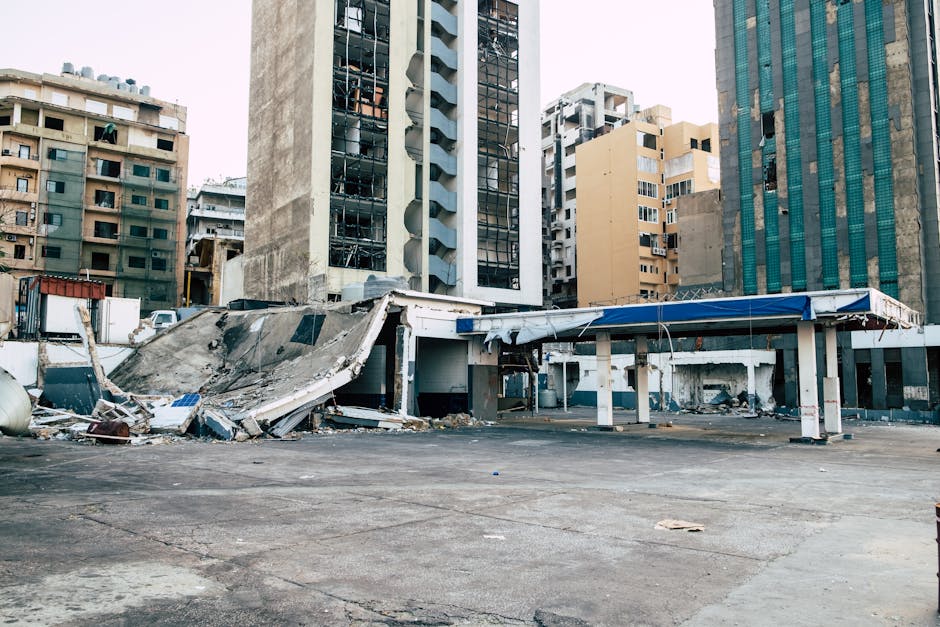
Image: GlobalBeat / 2026
Trump Iran attack: President puts strike on hold as Israel kills 3,000 in Lebanon since March
Muhammad Asghar | GlobalBeat
President Donald Trump said Tuesday he would not “right now” order military strikes against Iran over its nuclear program.
The abrupt announcement came as Israeli forces reported killing 3,000 people in Lebanon since late March. The mounting civilian toll has left Washington scrambling to prevent the Gaza war from spreading into a regional conflict. Israeli jets again pounded Beirut’s southern suburbs overnight, flattening residential blocks with 2,000-pound bombs. Rescue teams pulled 23 bodies from the rubble before dawn.
Iran announced Monday it had enriched uranium to 90 percent, a short step from weapons-grade, after months of rising tensions with the United States. The disclosure triggered emergency meetings at the Pentagon and calls from several Republican senators for immediate strikes. Trump, speaking to reporters at the White House, warned Tehran against “any stupid moves” but indicated he would instead coordinate with allies on “numerous other options.”
Israel informed Washington of expanded ground probes across the Blue Line border hours before the president spoke. The Israel Defense Forces said it targeted 450 Hezbollah sites in 72 hours, marking the most intense bombing campaign since the 2006 war. Lebanese authorities reported 312 children among the dead since the raids expanded March 28.
White House aides said Vice President J.D. Vance and Secretary of State Marco Rubio urged restraint during a Situation Room call with Israeli Prime Minister Benjamin Netanyahu. Trump later singled out the toll during a campaign swing through Pennsylvania, asking, “Does anybody think this is acceptable?” His remarks energized Democratic candidates who accuse the president of abandoning restraint in the Middle East. The State Department ordered a partial evacuation of the Beirut embassy after two Katyusha rockets landed inside the compound wall.
Iranian Foreign Ministry spokesman Ahmad Vahidi rejected the criticism as “hypocrisy” and reaffirmed that Israel alone had launched “unilateral aggression.” The Revolutionary Guards reportedly placed air-defence systems on high alert while sending mobile launchers toward the Golan Heights. A Trump administration official told Reuters that a carrier group led by the USS Theodore Roosevelt would remain in the Gulf “for the foreseeable future” but missiles would stay in their tubes.
European envoys urged a 21-day cease-fire, citing satellite images that show roughly 1,000 buildings destroyed in Beirut’s Dahiyeh district alone. French President Emmanuel Macron warned food shortages could hit 1.2 million people if bombing continues. Dollar shortages have pushed the Lebanese franc to 103,000 per dollar, its weakest ever. Transport Canada suspended all direct flights on Tuesday, following a similar move by Germany’s Lufthansa and Dutch KLM.
Israel insists its operation targets Hezbollah precision-missile stockpiles and tunnels rather than civilians. Military spokesman Rear Adm. Daniel Hagari said 2,000 sites used for rocket production had been hit. Hezbollah responded with 80 missiles at Haifa, wounding 12 residents and damaging a petrochemical plant. The cross-border fire has forced the evacuation of 70,000 Israelis from northern communities since October.
The U.S. Congress remained split over any new authorization for force against Iran. Senate Majority Leader John Thune argued missile strikes would “send a decisive signal,” while Senator Elizabeth Warren warned of another “endless war.” Pentagon officials estimated that a limited strike on Iranian enrichment facilities could kill 1,500 people and spark retaliation against Gulf oil terminals. Trump said he would meet lawmakers next week “to explain everything,” signaling the pause could be temporary.
Netanyahu told a closed Likud meeting he “welcomed the breathing space” and vowed to pursue Hezbollah “until every last launcher is gone.” Analysts said Israel’s military objectives remain unclear because many rocket units are hidden either in subterranean silos or beneath civilian homes. Some Israeli commentators warned the government risked replicating its prolonged 1982-2000 occupation of Lebanese territory.
Background
Israel’s current incursion is its fourth large-scale ground operation in Lebanon since 1978, each aimed at curbing cross-border militancy. The 1982 invasion led to a 18-year occupation and the birth of Hezbollah, which now commands an arsenal of 150,000 rockets compared with 15,000 during the 2006 war. United Nations Resolution 1701, which ended that 34-day conflict, mandated an expanded peacekeeping force and the withdrawal of all Israeli troops north of the Blue Line. Both sides have regularly violated the resolution: Hezbollah by stockpiling weapons and Israel with overflights of Lebanese airspace.
Iran has provided Hezbollah with an estimated $700 million per year since 2006, funding everything from salaries to education clinics in southern Lebanon. The U.S. push to curb Tehran’s regional influence began with President George W. Bush’s 2002 “axis of evil” speech but intensified unilaterally after Trump’s first-term withdrawal from the 2015 nuclear accord. Iran responded by breaching enrichment caps agreed in that deal and has since produced enough fissile material for several warheads, according to the International Atomic Energy Agency. Israel, which neither confirms nor denies possessing nuclear weapons, sees an Iranian bomb as an existential threat and opposes any U.S. rapprochement.
What’s Next
Trump is expected to host Jordan’s King Abdullah next Monday, followed by a UN Security Council briefing on the burgeoning crisis. European diplomats hope the U.S. will authorize a wider peacekeeping mandate, though Russia and China are likely to veto any draft that names Iran. Israeli cabinet members said a decision on deeper ground operations would come after Independence Day festivities end next week. Lebanese officials warned that any incursion beyond 16 kilometres south of the Litani River could torpedo fragile cease-fire talks that Saudi officials are mediating in Riyadh.
The countdown to U.S. midterm elections in November makes any resumption of strikes against Iran politically fraught for a president who once campaigned on ending Middle East wars. Yet with uranium enrichment at weapons-grade levels, Tehran could soon cross the threshold Trump called “unacceptable” in his first term. Whether the pause matures into a diplomatic opening or merely foreshadows harsher action will hinge in part on Israel’s willingness to restrain a bombing campaign that shows little sign of weakening Hezbollah’s command structure.
Senior Correspondent, World & Geopolitics
Muhammad Asghar covers international affairs, conflict zones, and US foreign policy for GlobalBeat. He has reported on events across the Middle East, South Asia, and Eastern Europe, with a focus on the intersection of diplomacy and armed conflict. He has been writing wire-service journalism for over a decade.