Trump’s White House ballroom: fake windows and stairs to nowhere
Renovation documents show Trump’s East Room ballroom plan includes faux windows and a non-functional staircase, The Times reports.
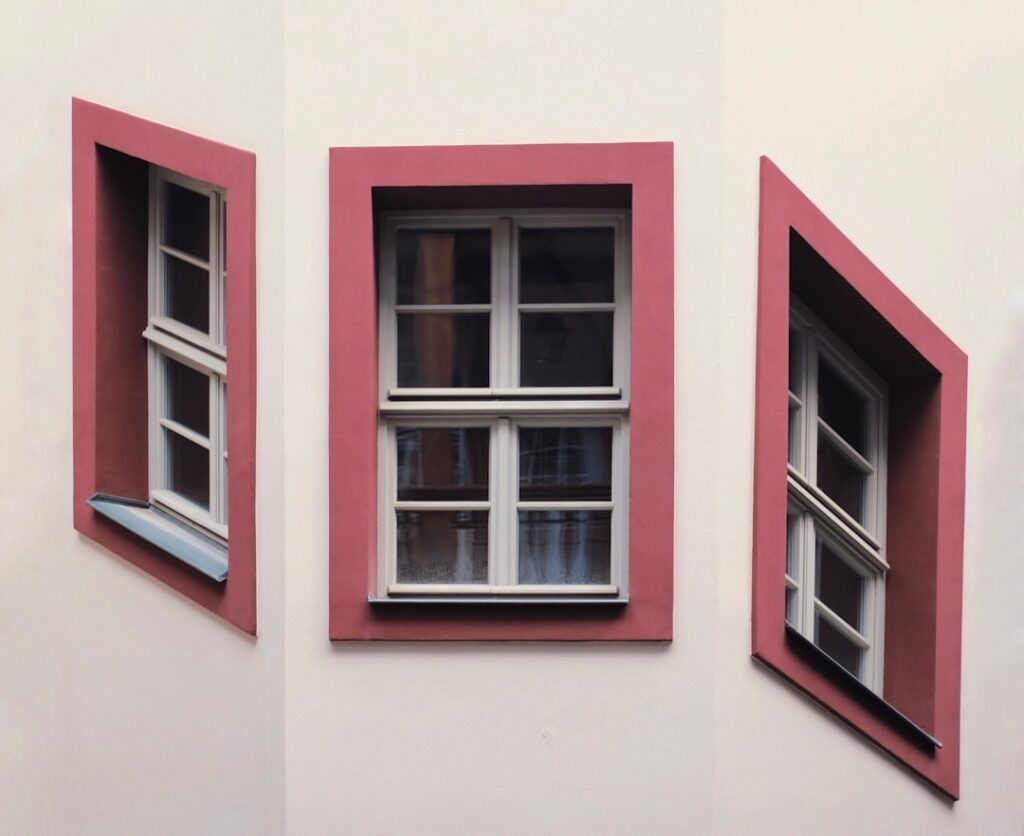
Image: GlobalBeat / 2026
Trump White House ballroom reveals fake windows and stairs to nowhere
Muhammad Asghar | GlobalBeat
The newly constructed White House ballroom contains false architectural elements including imitation windows and decorative staircases that lead nowhere.
The 1,000-seat venue opened Tuesday with its first state dinner, where guests dined beneath chandeliers mounted to a ceiling painted with artificial skylights.
The ballroom represents Trump’s most visible renovation of the executive mansion, built entirely within the East Wing at a cost of $175 million sourced from private donations. Architects confirmed the space contains no actual exterior walls, requiring all windows to be painted or back-lit panels designed to simulate views of the Washington Monument and Jefferson Memorial.
Presidential historians note this marks the first major structural addition to the White House since 1942. The Roosevelt administration built the East Wing itself during wartime expansion, though that construction served practical security functions rather than ceremonial purposes.
Current White House officials defended the design choices during Tuesday’s press briefing. “Every element serves the president’s vision for showcasing American grandeur,” senior advisor Jason Miller told reporters. He acknowledged the windows were “artistic representations” rather than functional openings but declined to specify the total count of false architectural features.
The ballroom’s construction required gutting two existing floors of offices previously occupied by the Social Secretary and correspondence staff. Those workers now operate from temporary trailers on the South Lawn, with permanent relocation plans still unspecified three months after their displacement.
Israeli Prime Minister Benjamin Netanyahu attended the inaugural dinner as guest of honor, praising the venue’s “unprecedented elegance” during his toast. The meal featured dry-aged American beef and California wines served on gold-rimmed china the White House purchased specifically for the space.
Building permits obtained by municipal authorities reveal the ballroom occupies 18,000 square feet constructed without modifying the building’s historic exterior walls. Engineers achieved this by excavating 14 feet below grade and cantilevering steel beams to support the new ceiling height of 28 feet.
Critics questioned the expenditure amid federal budget constraints. “This administration slashed food assistance programs while spending enough to fund school lunches for 50,000 children,” Representative Alexandria Ocasio-Cortez wrote on social media. Her office calculated the ballroom’s cost equals three years of federal funding for Meals on Wheels programs nationwide.
The General Services Administration, which oversaw construction, dismissed cost concerns. Administrator Stephen Ehikian stated private donors covered all expenses through the White House Historical Association, though he refused to identify contributors or detail what access or influence donations might guarantee.
Interior photographs distributed by the White House show dual staircases ascending from the main floor before merging at a landing that opens onto nothing. The architectural feature appears designed purely for dramatic entrances, with no access to upper levels or balcony spaces.
Trump previewed the space during his February 4 address to Congress, promising attendees they would “witness magnificence unmatched in presidential history.” He personally selected every design element according to staff accounts, overriding recommendations from White House curators who urged preservation of traditional aesthetics.
The ballroom’s sound system includes 47 hidden speakers and acoustic panels disguised as decorative molding. Audio engineers spent three weeks calibrating the system to account for the room’s lack of natural sound absorption from curtains or functional windows.
Foreign diplomats offered measured responses when questioned about the venue. “Hosting dinners remains unchanged whether guests gather beneath crystal chandeliers or fluorescent lights,” one European ambassador told colleagues while departing Tuesday’s event. The diplomat requested anonymity to avoid straining relations with the administration.
Background
The White House has undergone multiple expansions since John Adams first occupied the mansion in 1800. The West Wing addition in 1909 created separate spaces for presidential staff, while the 1942 East Wing construction provided wartime security screening and shelter facilities.
Previous presidents renovated existing spaces rather than constructing entirely new rooms. Jacqueline Kennedy restored the historic state rooms during the 1960s, while the Clintons updated security systems and accessibility features during their tenure. The Trumps renovated the Rose Garden in 2020 but left the building’s footprint unchanged.
What’s Next
The White House schedules five additional state dinners through June, with invitations already distributed to leaders from Japan, India, Britain, Brazil and Saudi Arabia. Construction crews meanwhile begin Phase Two plans to convert remaining East Wing offices into dressing suites and media facilities, extending the ballroom complex another 8,000 square feet into what currently houses the visitor entrance facility.
The ballroom’s artificial design elements raise fundamental questions about authenticity in spaces meant to represent American democracy. Future administrations must decide whether to preserve Trump’s theatrical additions or restore practical functionality to spaces intended for governing rather than performance. Tourist groups already request ballroom access during public tours, though no policy exists for granting visitors entry to what remains fundamentally a stage set masquerading as presidential architecture.
Senior Correspondent, World & Geopolitics
Muhammad Asghar covers international affairs, conflict zones, and US foreign policy for GlobalBeat. He has reported on events across the Middle East, South Asia, and Eastern Europe, with a focus on the intersection of diplomacy and armed conflict. He has been writing wire-service journalism for over a decade.