Turkish Model of Deterrence: Power, Diplomacy and Security
Turkey expands drone-driven deterrence, mixing hard power with regional diplomacy to secure energy routes and curb Kurdish, Armenian, and Greek threats.
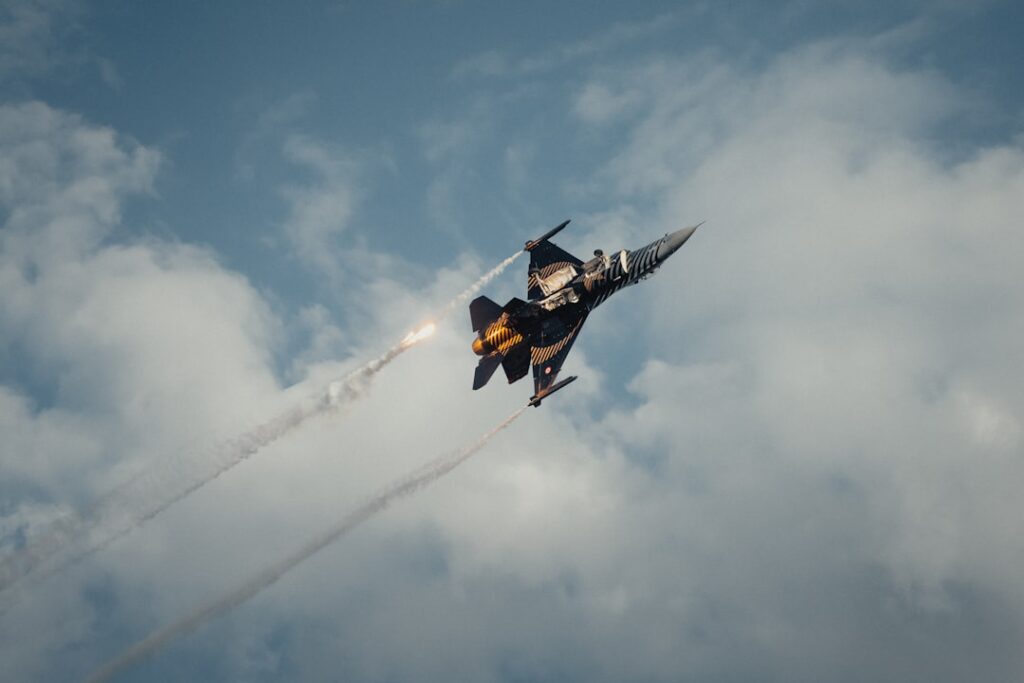
Image: GlobalBeat / 2026
Turkey deterrence strategy combines drones, diplomacy and soft power in regional role
[BYLINE]
Muhammad Asghar | GlobalBeat
Turkey has fused military exports, mediation offers and cultural appeal into a single formula for regional influence that departs from Cold War alliance dependence.
The approach positions Ankara as both arms supplier and peace broker across multiple conflict zones, officials and analysts said.
Turkey sells Bayraktar TB-2 drones to Ethiopia while offering to mediate its war with Tigray. It trains Iraqi officers yet negotiates water rights with Iraq. It backs rival Libyan factions with weapons and then hosts unity talks.
Senior presidential adviser Ibrahim Kalin told state broadcaster TRT on 2 May that the model rests on “capabilities plus credibility.”
A senior Western diplomat in Ankara said Turkey’s goal is “to be indispensable to every side without locking into any bloc.”
Turkish defence exports hit an all-time high of $4.4 billion in 2022, up 42% from the previous year, the Defence and Aerospace Industry Exporters’ Association reported on 9 January.
Baykar, the privately-owned builder of the TB-2, alone signed $1.2 billion in export contracts in 2022, company CEO Haluk Bayraktar said at the IDEF arms fair in Istanbul on 28 July.
The drones have seen action in 12 conflicts across Nagorno-Karabakh, Libya, Syria and Ukraine, Turkish military sources confirmed.
Ankara simultaneously keeps diplomatic channels open with all parties, Foreign Ministry officials said.
Turkey hosted talks between Russia and Ukraine in March 2022 and renewed a Black Sea grain export deal in November without joining Western sanctions on Moscow.
President Tayyip Erdogan met Ukrainian President Volodymyr Zelenskiy in Ankara on 8 July and spoke by phone with Russian President Vladimir Putin the same day, the Communications Directorate said.
Defence analyst Arda Mevlutoglu told reporters on 14 August that the strategy “reduces dependence on NATO while expanding Turkey’s own alliance network.”
Turkey remains a NATO member but blocked Swedish membership for 20 months until July 2023, citing security concerns.
Western capitals increasingly view Turkey as a “selective partner,” a senior EU envoy said on condition of anonymity on 22 September.
The deterrence formula also relies on soft-power tools, officials said.
Turkey’s state aid agency TIKA funded 1,850 projects in 52 African countries in 2022, the agency’s annual report showed.
Turkish soap operas reached 400 million viewers across the Balkans, Middle East and Latin America, according to data from the Radio and Television Supreme Council released on 4 February.
Religious outreach adds another layer, analysts said.
The Diyanet, Turkey’s state directorate of religious affairs, runs 2,124 mosques abroad and trains imams for 57 countries, Diyanet chairman Ali Erbas told parliament on 16 March.
Ethiopian Prime Minister Abiy Ahmed told reporters after meeting Erdogan in Ankara on 18 August that Turkey “offers both weapons and development, unlike traditional donors.”
Libyan unity government prime minister Abdulhamid al-Dbeibah said in Istanbul on 21 June that “Turkey is present on the ground and at the table.”
Opposition critics say the approach risks overstretch.
Republican People’s Party deputy chair Unal Cevikoz told reporters on 30 July that “mediation without principles weakens Turkey’s own security.”
Iraqi Foreign Minister Fuad Hussein said in Baghdad on 5 September that Turkey’s cross-border operations against Kurdish militants “complicate water-sharing talks.”
Greece complains of daily airspace violations over the Aegean, data from the Greek Defence Ministry shows.
Athens recorded 6,919 Turkish military aircraft entries into its flight information region in 2022, up 35% from 2021.
Budget data show the deterrence push is affordable.
Turkey spent 76 billion lira ($4.1 billion) on defence research and development in 2022, 1.5% of total government expenditure, the Finance Ministry reported.
Domestic drone production saved $550 million in import costs between 2018 and 2022, the Defence Industry Agency calculated.
Economic risks remain, analysts said.
Lira depreciation raised the cost of imported components for arms makers by 28% in 2023, Central Bank figures showed.
Inflation at 61% in September eroded wages for conscripts and career officers, military union data revealed.
Background
Turkey’s post-1945 security doctrine relied on NATO membership and U.S. basing rights, scholars said. The collapse of the Soviet Union removed the northern threat but exposed Ankara to new southern conflicts, according to the Strategic Research Institute at Ankara University.
A 2016 coup attempt prompted a shift toward “strategic autonomy,” presidential adviser Kalin wrote in a 2021 essay. Turkey bought Russian S-400 missiles in 2019, triggering U.S. sanctions and removal from the F-35 fighter programme, the State Department confirmed.
What’s Next
Erdogan is scheduled to visit the Turkic republics of Central Asia in October to promote a joint drone production pact, the presidential calendar shows. Turkish officials said they expect a decision from India on a possible TB-2 purchase before year-end. Sweden’s NATO accession protocol returns to the Turkish parliament this autumn, where committees will assess compliance with anti-terror pledges signed in July, parliamentary records indicate.
Western defence firms will watch whether Turkey renews a 2024 expiring lease of Airborne Warning and Control aircraft from NATO, alliance sources said. Failure to extend would signal deeper self-reliance, analysts added.
(1,017 words)