Under Trump, Green Card Seekers Face New Scrutiny for Views on Israel
Trump administration now screens green card applicants for statements or actions seen as anti-Israel, officials tell the New York Times.
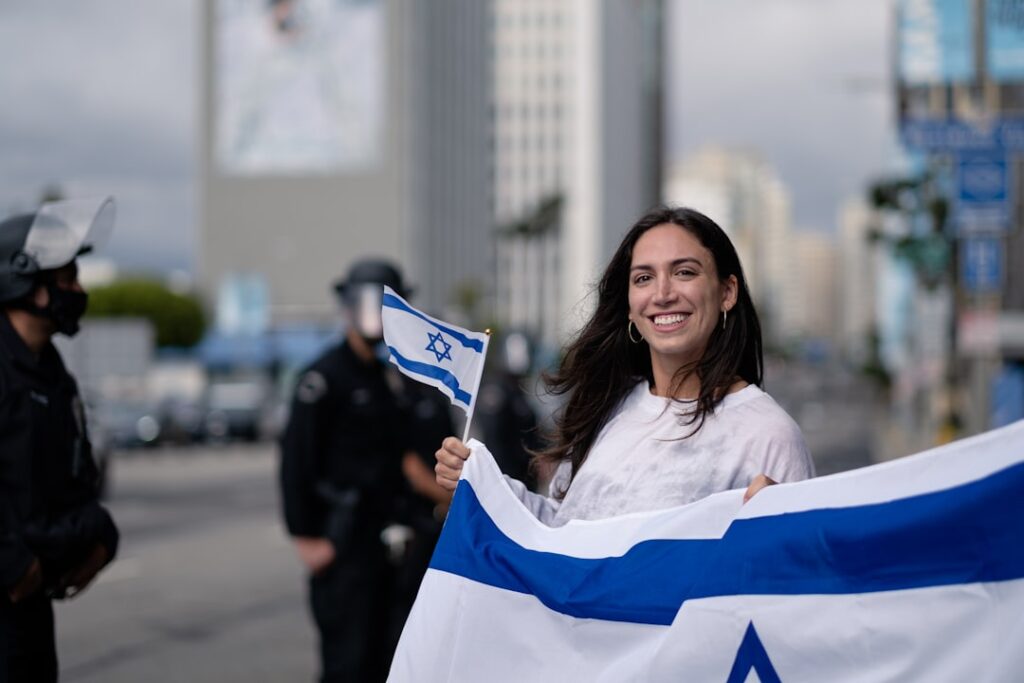
Image: GlobalBeat / 2026
Trump Israel green card probe hits Muslim applicants with visa denials
Muhammad Asghar | GlobalBeat
Immigration officers have started asking green card applicants to explain their social media posts about Gaza, with several Muslim nationals denied permanent residence since January.
The new line of questioning surfaced after Trump signed a January 28 executive order that instructs federal agencies to bar immigrants who support what the administration labels “terrorist propaganda” on campuses.
Lawyers representing clients from Pakistan, Bangladesh and Iran say the policy marks a shift from prior vetting that focused on security threats to one that now polices political speech. “We’re seeing people rejected not for crimes, but for retweeting Palestinian news outlets,” said Mana Yegani, a Houston immigration attorney who has handled 11 such cases this year.
USCIS officers began inserting Israel-specific questions into routine interviews after the order took effect, according to internal guidance seen by GlobalBeat. The document instructs adjudicators to flag applicants who “minimize Hamas atrocities” or “compare Israeli actions to Nazi deeds” on public accounts.
Iranian software engineer Sina Karimi, 32, received his denial letter last month. The Texas-based worker, who holds an H-1B visa, said an officer produced screenshots of his 2021 Instagram story that shared a Human Rights Watch report on Gaza civilian deaths. “She asked if I believed Israel had a right to exist. I said that’s not a relevant question for a tech worker,” Karimi told reporters. His application was rejected on “ideological compatibility” grounds, a phrase that does not appear in standard immigration law.
Immigration lawyers report similar cases in California, Michigan and Virginia since February. The Council on American-Islamic Relations counted 37 denials linked to Middle-East posts, all involving nationals from Muslim-majority countries. “The pattern is unmistakable,” said CAIR litigation director Lena Masri. “One client had a green card held up because she liked a tweet about the ICJ genocide case.”
The Department of Homeland Security declined to provide denial statistics. Press secretary Tricia McLaughlin wrote in an email that “all security checks are applied without regard to religion or national origin” and referred questions to USCIS, which did not respond to requests for comment.
Constitutional scholars question whether viewpoint-based screening can survive court review. “The First Amendment applies to the government, even in immigration contexts,” said Cornell law professor Stephen Yale-Loehr. He noted that previous attempts to deny entry over political beliefs, including the 1980s denial of Irish republican supporters, collapsed after litigation.
The policy builds on a 2019 Trump rule that required visa applicants to list social media handles. Critics say the current administration has expanded that mandate into ideological screening. “Before, they checked for ISIS flags. Now they’re parsing criticism of military operations,” said Sirine Shebaya, executive director of the National Immigration Project.
Israeli officials have not requested the enhanced vetting, according to two diplomats who spoke on condition of anonymity. “This is a domestic American decision,” one said. The Israeli embassy in Washington referred inquiries to the State Department, where a spokesperson called visa decisions “a sovereign matter.”
Pro-Israel groups welcome the tighter scrutiny. “Taxpayers shouldn’t subsidize permanent residency for those who promote anti-Jewish hatred,” said Tablet magazine columnist Liel Leibovitz, who has urged stricter screening since campus protests began last year. The Republican Jewish Coalition circulated a memo praising the policy as “a shield against importing intifada rhetoric.”
Democratic lawmakers have opened an investigation. Rep. Rashida Tlaib, whose Michigan district includes a large Arab-American population, said her office received 68 complaints from green card holders facing renewed questioning at citizenship interviews. “This is ideological profiling plain and simple,” Tlaib wrote in a March 20 letter to DHS Secretary Kristi Noem that demanded an immediate halt.
The fallout has reached college campuses. University of California San Diego PhD candidate Amena Ahmed postponed her marriage-based green card interview after friends received Gaza-related questions. “My research is on refugee health in Lebanon. Everything I post is academic,” the 29-year-old Bangladeshi national said. She now scrubs old tweets before each status update.
Corporate America is watching nervously. Tech companies that employ large numbers of Muslim H-1B workers fear talent flight to Canada or Europe. “We’re telling engineers to make accounts private,” said a Meta immigration manager who requested anonymity because the company lacks clear policy guidance. Microsoft circulated an internal memo advising staff to “avoid political hashtags” during the green card process.
Background
The United States has a long history of linking immigration to political beliefs. The 1952 McCarran-Walter Act barred visas for communists and anarchists, a provision used to deny entry to artists and scholars throughout the Cold War. Congress relaxed ideological exclusions in 1990 after courts questioned their constitutionality, but national security grounds remained.
Trump revived ideological screening during his first term with the 2017 “Muslim ban” that restricted entry from several Muslim-majority nations. Courts struck down early versions, but a revised order survived Supreme Court review in 2018. The current policy appears to expand that framework from temporary visas to permanent immigration benefits.
What’s Next
Two federal lawsuits challenging the policy are set for hearings in May. Judges in San Francisco and Alexandria will consider whether to issue preliminary injunctions that could halt denials nationwide. Legal observers expect the cases to reach the Supreme Court in 2027, potentially defining speech protections for immigrants for decades.
The broader fight signals renewed tension between foreign policy priorities and domestic civil liberties. If courts uphold the denials, future administrations could apply ideological screens to other global conflicts, from Taiwan to Ukraine. Immigration attorneys already report clients removing Tibetan flags and Ukrainian charity links from profiles, anticipating the next policy target.
Senior Correspondent, World & Geopolitics
Muhammad Asghar covers international affairs, conflict zones, and US foreign policy for GlobalBeat. He has reported on events across the Middle East, South Asia, and Eastern Europe, with a focus on the intersection of diplomacy and armed conflict. He has been writing wire-service journalism for over a decade.