US and Iran reportedly considering deal to end war
Washington and Tehran weigh limited nuclear and sanctions accord aimed at easing Middle East tensions, sources say.
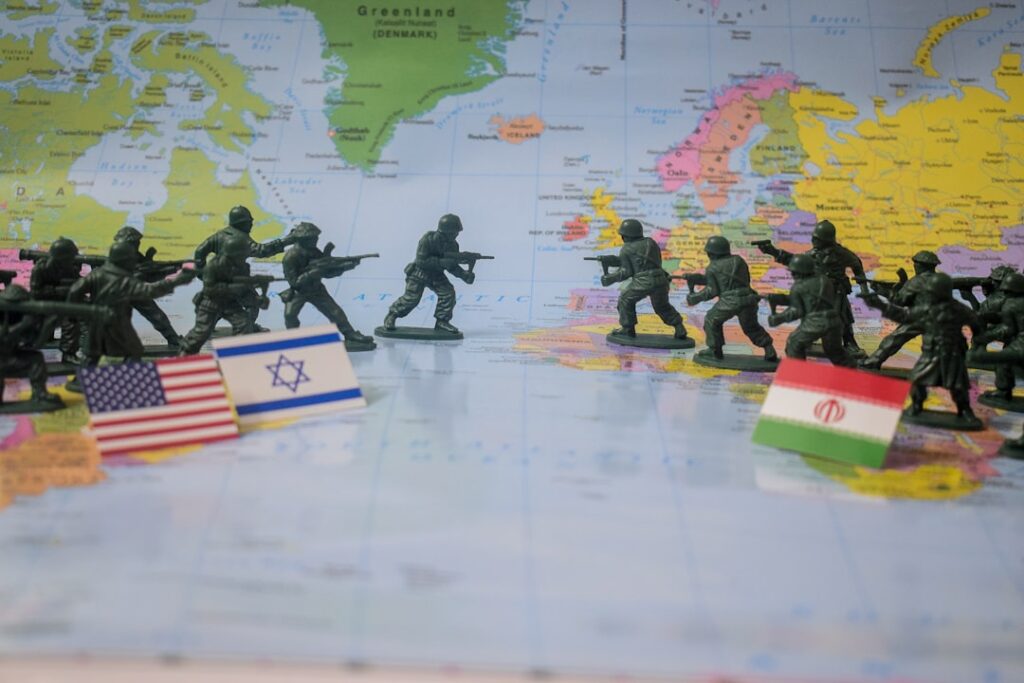
Image: GlobalBeat / 2026
US Iran deal: Washington and Tehran hold secret talks to end Middle East war
Muhammad Asghar | GlobalBeat
American and Iranian officials have held clandestine meetings in Oman to discuss ending the regional war that began when Israel retaliated against Iran’s April 2026 missile attack.
The talks mark the first direct US-Iran negotiations since the conflict escalated two weeks ago, according to three diplomats familiar with the discussions who spoke to reporters on condition of anonymity.
The war has killed at least 847 people across Israel, Lebanon, Syria and Iran, with Iranian missile strikes hitting Tel Aviv and Israeli forces bombing Tehran’s suburbs for the first time since the 1980s. Oil prices jumped 18 percent and global stock markets fell sharply as investors fear a wider regional conflict that could block the Strait of Hormuz.
Diplomatic sources said Washington wants Tehran to stop attacking Israeli cities and halt weapons transfers to Hezbollah. In exchange, the US would press Israel to limit its bombing campaign and guarantee Iranian oil exports can continue through the Persian Gulf. The proposal resembles the 2015 nuclear deal that Trump abandoned in 2018, but focuses on immediate military de-escalation rather than nuclear enrichment limits.
Iranian Foreign Minister Abbas Araghchi told state television that “all options remain on the table” for ending what he called “this tragic escalation.” His statement stopped short of confirming the talks, in keeping with Tehran’s usual secrecy around sensitive negotiations. The State Department declined to comment on “private diplomatic discussions,” though spokesman Brian Hughes emphasized that “the United States seeks no wider war.”
Israeli officials reacted cautiously to news of the potential deal. Prime Minister Benjamin Netanyahu’s office released a statement saying Israel “appreciates American efforts” but “will take whatever actions necessary to protect Israeli citizens.” Defense Minister Israel Katz warned that any agreement allowing Iranian forces to remain near Israel’s borders would be “unacceptable” during a visit to troops massed near the Lebanese frontier.
The war began when Iran launched 312 ballistic missiles at Israeli military bases on April 18, 2026, saying it was responding to Israeli airstrikes that killed 17 Iranian commanders in Syria. Israel’s counterattack involved hundreds of jets striking Iranian nuclear facilities and Revolutionary Guard bases. Hezbollah joined the fighting by firing thousands of rockets at northern Israel, while American forces shot down drones aimed at Israel from Yemen.
Casualties have mounted quickly. Iran reports 423 civilians killed in Israeli strikes, while Israel says Hezbollah rockets killed 89 Israelis including 12 children. Syrian state media claims 97 people died when Israeli jets bombed Damascus suburbs. Lebanon’s health ministry reports 238 deaths, mostly Hezbollah fighters but including 43 civilians. Several oil facilities burned for days after being hit, sending smoke visible from space.
Regional markets convulsed on reports of the possible deal, with Tehran’s stock exchange jumping 7 percent before falling back to close 2 percent higher. Brent crude dropped $9 to $121 per barrel after hitting $138 earlier this week. The Israeli shekel strengthened 3 percent against the dollar. Analysts said traders were betting that direct talks reduced the risk of a full-scale war that could send oil above $200.
Background
The current conflict represents the worst violence between Israel and Iran since they fought a proxy war in Lebanon during the 1980s. Relations deteriorated sharply after 2018 when President Trump withdrew from the nuclear deal and imposed sanctions that cut Iranian oil exports by 80 percent. Iran responded by expanding its uranium enrichment program and backing militias across the region. The October 2023 Hamas attack on Israel, followed by Israel’s invasion of Gaza, deepened tensions as Iran armed various Palestinian groups. The April 2026 escalation showed Iran could strike Israel directly, not just through proxies.
previous nuclear talks in 2022 and 2023 failed as Iran demanded guarantees that future US presidents would not abandon any agreement. The Biden administration could not make such promises without Senate approval, which Republican opposition made impossible. Now Trump faces similar constraints, but the immediate military crisis has created pressure for a temporary fix even without permanent guarantees. Both sides remember how the 1988 Iran-Iraq War ended only after direct US-Iran talks despite years of “no negotiations” rhetoric from both capitals.
What’s Next
An Iranian delegation led by senior security official Ali Shamkhani plans to meet Omani mediators in Muscat next week, according to regional officials. The Oman channel has worked before, including the prisoner swap that freed five Americans in 2023. But hardliners in both Tehran and Washington oppose any deal, while Netanyahu faces pressure from Israeli cabinet members to continue military pressure until Iran withdraws all forces from Syria. The next 10 days will determine whether the secret talks produce a ceasefire or the war escalates further as each side tries to strengthen its bargaining position.
The immediate test comes this weekend when Iran celebrates Army Day with its annual military parade. If Tehran displays new ballistic missiles or makes fiery speeches against Israel, it could undercut the diplomatic momentum. Similarly, any major Israeli strike inside Iran before the Muscat meeting would likely end the talks. European diplomats are pushing for a 72-hour ceasefire to create space for negotiations, though both sides insist they will only stop fighting if their security demands are met.
Senior Correspondent, World & Geopolitics
Muhammad Asghar covers international affairs, conflict zones, and US foreign policy for GlobalBeat. He has reported on events across the Middle East, South Asia, and Eastern Europe, with a focus on the intersection of diplomacy and armed conflict. He has been writing wire-service journalism for over a decade.