What is Trump doing with the US Forest Service?
Trump administration moves to shift U.S. Forest Service focus toward increased logging and resource extraction, sparking environmental concerns.
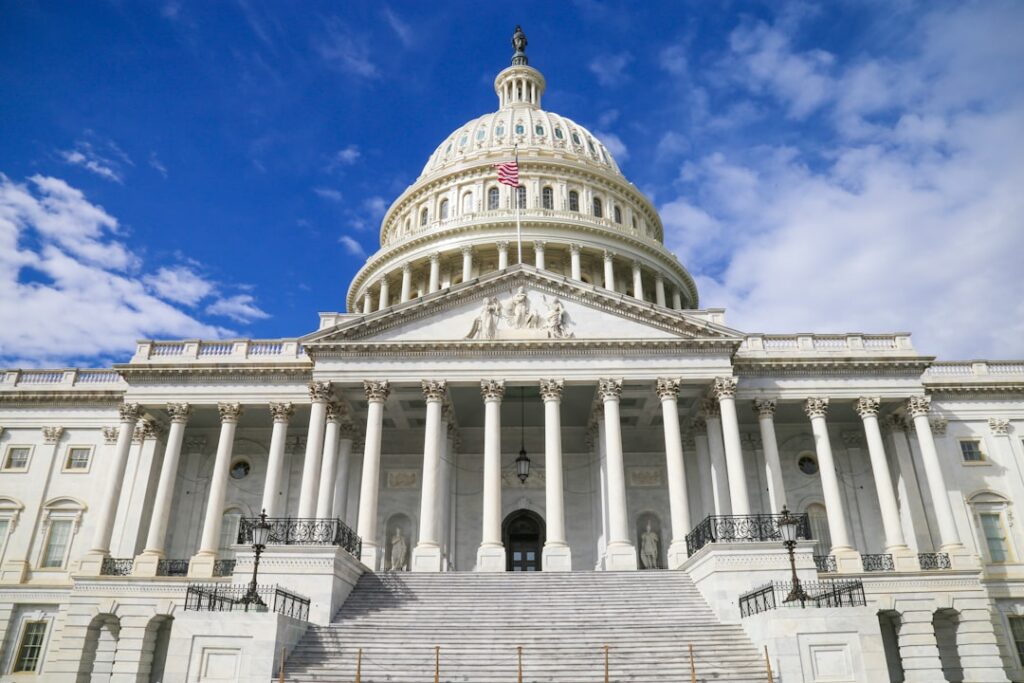
Image: GlobalBeat / 2026
Trump removes 40% of Forest Service workforce in sweeping federal cuts
President Donald Trump fired 8,000 US Forest Service employees on Tuesday through his Department of Agriculture in the largest single-day purge of federal foresters in agency history.
The dismissals eliminate two-fifths of the 20,000-person workforce responsible for managing 193 million acres of national forests across 42 states, according to Agriculture Department figures released Tuesday evening.
The cuts target the federal government’s primary wildfire fighting force weeks before summer fire season begins. The Forest Service also oversees logging permits, trail maintenance, and habitat protection for endangered species across federal lands.
William White, a 23-year veteran firefighter based in California’s Sierra National Forest, received termination notice at 3:47 p.m. local time. “They shut down my email while I was on a prescribed burn,” White told reporters outside the Forest Service’s Vallejo headquarters. “My crew had to walk back to base.”
The White House framed the cuts as eliminating “radical environmental bureaucrats” who blocked timber harvesting. Trump posted on Truth Social that the agency had been “weaponized against American loggers and miners for decades.” His post made no mention of wildfire response capabilities.
Agriculture Secretary Brooke Rollins announced the firings during a press conference at agency headquarters in Washington. “We are returning the Forest Service to its original mission of sustainable resource development,” Rollins said. “Not serving as a retirement home for eco-activists.”
The terminated workers include 4,200 permanent employees and 3,800 seasonal firefighters who staff lookout towers, operate air tankers, and maintain fire breaks. The cuts leave roughly 12,000 Forest Service employees nationwide, the smallest workforce since 1968 when the agency managed half as much land.
Legal challenges filed
The National Federation of Federal Employees filed suit in US District Court for the District of Columbia within hours of the mass firing. Union president Randy Erwin argued the dismissals violate federal personnel rules requiring 30-day notice and opportunity to respond.
“These are career civil servants, not political appointees,” Erwin told reporters outside the courthouse. “You cannot fire thousands of firefighters by tweet.”
Colorado Governor Jared Polis, a Democrat, announced his state would seek a federal injunction to halt the cuts. Colorado contains 24 national forests covering 14 million acres. “Summer fire season starts in 6 weeks,” Polis said at the state capitol in Denver. “This is beyond reckless.”
Republican governors in fire-prone states remained largely silent. Arizona Governor Kari Lake’s office issued a one-sentence statement: “We defer to the president on federal workforce matters.” Montana Governor Greg Gianforte did not respond to requests for comment on Tuesday evening.
Forest Service Chief Tom Schultz, a Trump appointee who retained his position, defended the reductions in an email to remaining staff. “Difficult decisions are necessary to modernize federal land management,” Schultz wrote. He promised “full briefing on operational impacts” within 72 hours.
Former agency officials warned the cuts would cripple wildfire response. “They’re basically shutting down initial attack,” said Matt Dietrich, who retired as deputy fire director in 2023. “Without lookouts and engine crews, small fires become mega-fires.”
Economic impact
The timber industry offered mixed reactions. American Forest Resource Council president Travis Joseph praised what he called “long-overdue reforms” but expressed concern about reduced fire protection for private timberlands bordering national forests.
“We need these forests protected from catastrophic fire,” Joseph said by phone from Portland. “You can’t log ashes.”
Recreation industry groups predicted economic disaster. Outdoor recreation generates $887 billion annually according to the Commerce Department, with national forests hosting 170 million visitors yearly.
“Who maintains trails? Who cleans campgrounds? Who plows forest roads?” asked Jessica Wahl Turner, president of Outdoor Recreation Roundtable. “This will devastate gateway communities that depend on forest tourism.”
The firings eliminate 600 workers in Oregon alone, where federal forests cover half the state. Lincoln City Mayor Don Williams said his coastal town relies on Forest Service campgrounds and hiking trails that draw 1 million visitors annually.
“Every dollar we spend promoting tourism just went up in smoke,” Williams said.
Background
The US Forest Service was established in 1905 under President Theodore Roosevelt to manage federal forest reserves created in the 1890s. The agency’s original mission emphasized timber production and watershed protection.
Wildfire suppression became central after the Great Fire of 1910 burned 3 million acres across Idaho and Montana, killing 87 people. The agency created the modern wildland firefighting system including smokejumpers and hotshot crews.
Forest Service employment peaked at 30,000 during World War II when the agency supplied timber for military needs. Staff levels gradually declined to 20,000 by the 1990s as environmental laws shifted focus toward ecosystem management.
Climate change has intensified wildfire seasons. The 2020 California fire season burned 4.3 million acres, the most in modern history. The Forest Service spent $2.3 billion on fire suppression that year, exceeding its entire annual budget.
What’s Next
A federal judge will hear the union’s request for a temporary restraining order on Thursday. If granted, the order could force reinstatement of terminated employees while litigation proceeds through what legal experts predict could take months.
Fire season typically begins in late May across the Southwest and spreads northward through summer. The agency must decide within weeks whether to hire replacement firefighters or rely on state resources and private contractors for wildfire response.
Congressional Democrats vowed investigations. “We will subpoena every document related to these firings,” said Senator Ron Wyden of Oregon, incoming chair of the Energy and Natural Resources Committee. “This isn’t cost-cutting, it’s arson.”
Senior Correspondent, World & Geopolitics
Muhammad Asghar covers international affairs, conflict zones, and US foreign policy for GlobalBeat. He has reported on events across the Middle East, South Asia, and Eastern Europe, with a focus on the intersection of diplomacy and armed conflict. He has been writing wire-service journalism for over a decade.