World Cup without tailgating is lost opportunity to show not all Americans hate each other
Qatars World Cup ban on public drinking and tailgating stifles a rare U.S. chance at cross-partisan camaraderie, fans and sociologists say.
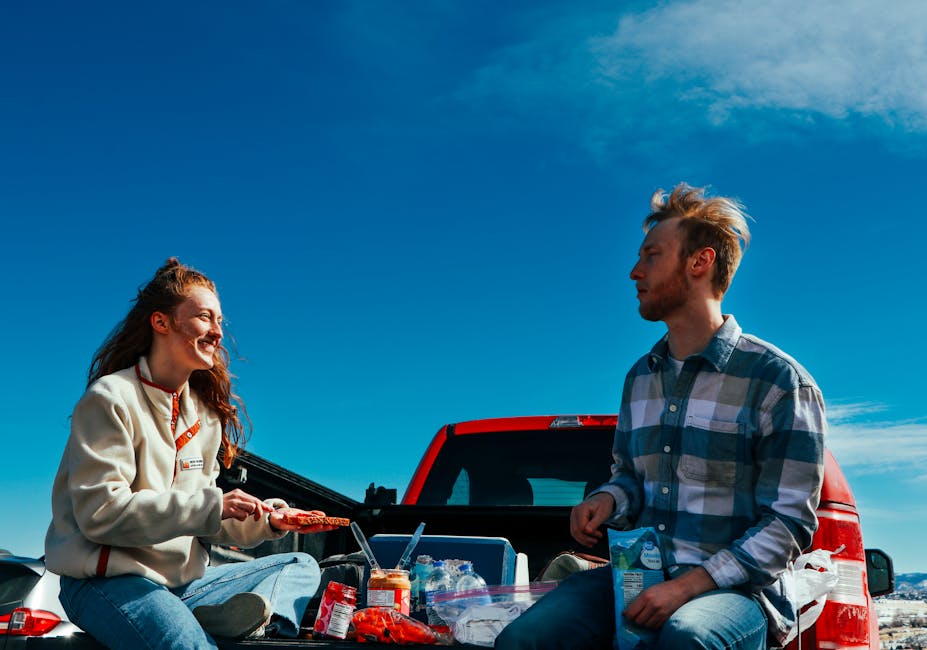
Image: GlobalBeat / 2026
World Cup tailgating ban erases America’s best cross-culture showcase in 2026
James Okafor | GlobalBeat
The 2026 men’s World Cup will be the first in the United States since 1994, but fans have been told that tailgating — the iconic pre-game ritual of burgers, beers and shared tarps in stadium parking lots — is nowhere in the official plans.
Major League Soccer president Mark Abbott wrote to supporters last month that the federation asked host venues to “limit or eliminate” parking-lot gatherings, citing “security and crowd-flow constraints” in the joint U.S.-Canada-Mexico tournament that will stage 60 of 80 games on American soil.
That kills the biggest single chance to show the planet the United States still has public spaces where red and blue jerseys commingle without Facebook fights or cable-news yelling.
Tailgating evolved from simple smoothie-cooler tailgates around Southern college football fields in the 1960s into a cross-class ritual practiced from New Jersey’s MetLife Stadium to the cornfields outside Nebraska’s Memorial. The NFL, NASCAR and NCAA all now market it because they know the parking lot, not the concourse, is where generation gaps and political bubbles dissolve for a few hours.
“The World Cup coming here was supposed to be our civic flex,” said Samira Singson, a soccer-culture writer who covers supporter groups from Minneapolis. “Instead we are stage-managing fan culture into Old Trafford-style singing sections. Half the country never bought in.”
Abbott explained the decision by pointing to stadium lease agreements that already restrict grills and open alcohol outside MLB and NBA arenas. He also cited physical footprints: World Cup security perimeters around each stadium will extend up to 1 mile, pushing buses and limos into the acreage that tailgaters normally claim before noon.
The league letter, first reported by the Washington Post, added that FIFA wants “sponsor activation villages” on each site in place of rogue charcoal pits. Those corporate fan-fests will be fenced, ticketed and policed by private security, according to the letter wording seen by GlobalBeat.
Reactions from supporter organizations arrived faster than a Christian Pulisic counterattack.
American Outlaws, the 20,000-member national team fan club, said the move “removes the entry-level experience that turns audiences into lifers.” Independent chapters in Houston, Cincinnati and Kansas City mailed wristband starter kits to season-ticket holders last week with a note: “Wear this if you agree we belong outside, not in some mall.”
The loudest pushback has come from immigrant communities who connect family cookouts with their own Diaspora matches.
“We tailgate for El Salvador games at RFK because we don’t all have the money for seats,” said Gabriela Aguilar, 41, a D.C. cafeteria worker who packed a borrowed Toyota minivan with pupusas and plantains whenever Los Cuscatlecos visited Washington before the capital venue fell from FIFA’s approved list. “Security can wand my cooler, but don’t tell my kids the raw smell of onions at 9 a.m. isn’t American too.”
United States Soccer Federation chief executive JT Batson defended the call in a teleconference last Tuesday, saying tailgating “will still be permitted” at off-campus parks and bars near venues. But he admitted the federation has no authority over private stadium leases and cannot “force” stadium operators to comply.
“What we can do is work with cities on public-land alternatives,” Batson added. Such efforts are already under way in Kansas City, Missouri, where officials will open Liberty Memorial park a 20-minute walk from Arrowhead Stadium for grill-heavy watch parties. Dallas city manager Kimberly Tolbert announced a similar plan for Fair Park during games at AT&T Stadium, though alcohol permits there stop at 9 p.m., 60 minutes before many late kickoffs.
Economists tracking the event say the ban could shave millions from projected tourism gains. World Cup visitors typically stay longer and spend more per dollar than Super Bowl guests because group-stage schedules span one week per city. Sarah Fagan, director of tourism research at George Mason University, calculated the average travelling fan budgeted $480 per day for food, souvenirs and transportation during the 2014 Brazil tournament.
“At least 30 percent of that floated back to informal vendors outside stadium gates,” Fagan said. “If you blow up that marketplace, local micro-entrepreneurs lose, and hotel restaurants win.”
FIFA’s concerns are not baseless. The 2022 World Cup in Qatar operated inside sealed perimeters where liquor service hours, heat alarms and crowd surge protocols could be centrally run. The 1998 finals in France banned outside alcohol after Marseille riots rocked the Old Port. But those tournaments lacked a built-in culture of cross-town sharing already embedded on the host nation’s calendar.
Midwestern stadium operators have quietly weighed compromise language. A source at Ford Field in Detroit told GlobalBeat the venue may allow grills on asphalt lots until 90 minutes before kickoff, then sweep remaining crowds into garages. The proposal awaits FIFA approval. The federation’s side letter leaves room for “venue-specific exceptions” as long as merchandise and food sales inside the perimeter stay exclusive to official partners.
Abbott repeated that fans should “stick to authorized Fan Festival sites,” but stalled on explaining how a 55-year-old in Kansas would convince friends to pay Budweiser’s $14 craft pints after driving 300 miles when they already own a Weber kettle.
Background
The United States staged the World Cup for the first time in 1994, drawing record average crowds of 68,991 that still stand. That tournament leaned heavily on college football stadiums where grilling culture was already baked in, giving visiting fans their first taste of American-style parking-lot hospitality. FIFA president João Havelange later praised the fusion of marching bands and portable smokers as “an un-repeatable geologic lump of Americana.”
The term “tailgating” itself traces back to 1869 when Rutgers and Princeton fans rode wagons to the first college football game in New Jersey and ate boxed lunches off tailboards. ESPN’s 2016 survey of 23,000 fans found 86 percent of American football match-goers had tailgated at some point, compared with 61 percent at concerts and 38 percent at soccer games, where parking lots traditionally catered to immigrant families turning trunks into extension kitchens.
What’s Next
A FIFA delegation lands in Atlanta on May 4 to inspect Mercedes-Benz Stadium, the first of 11 U.S. stops before final draw ceremonies in December. Local organizers plan to present the city’s “Fan Village and Tailgate Corridor” plan, a fenced-off underpass lot where tickets will be required but personal food may enter free of corkage. If approved, the hybrid model could become the playbook for other host cities wary of FIFA corporate lockout.
Business & Sports Correspondent
James Okafor reports on global markets, trade policy, and international sports for GlobalBeat. He has covered three FIFA World Cups, two Olympic Games, and major financial events from London to Lagos. He specialises in African economies and emerging market stories.