World Pool Association Celebrates Historic Inclusion of Billiards in South American Games
Billiards accepted into 2025 South American Games, marking cue sports debut in a multi-sport continental event.
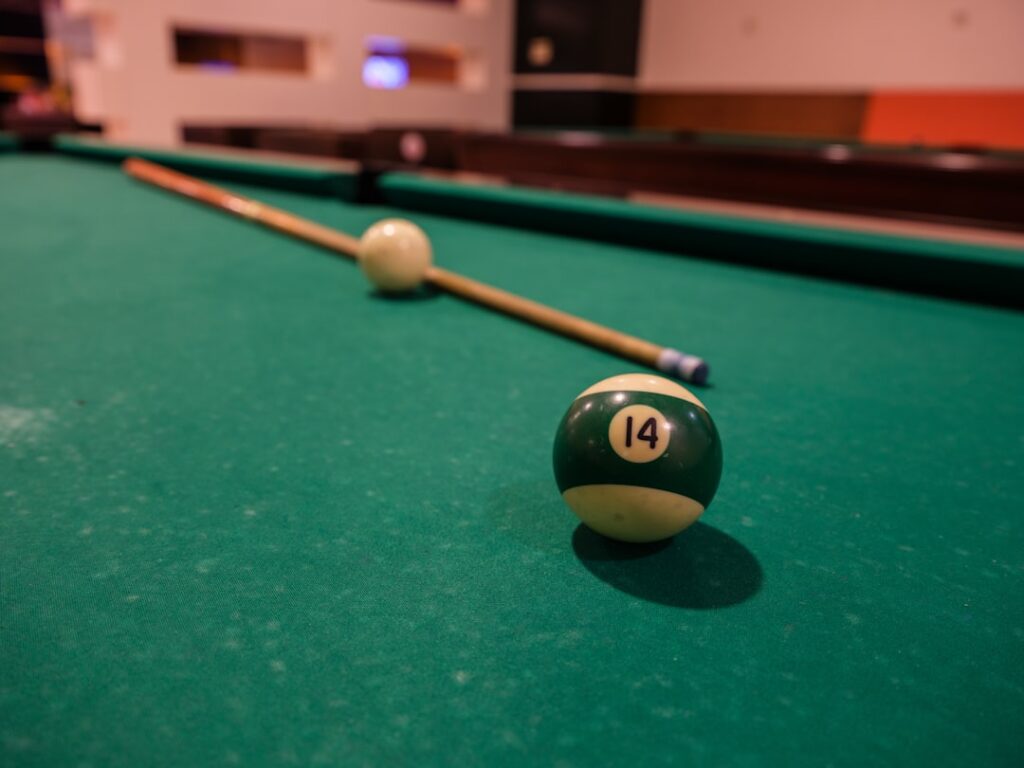
Image: GlobalBeat / 2026
Billiards South American Games debut ends 20-year wait as World Pool confirms 2028 program
James Okafor | GlobalBeat
The World Pool Association ended two decades of lobbying on Tuesday when its president, Ian Anderson, confirmed that billiards will feature in the 2028 South American Games for the first time ever.
Anderson made the announcement at the Confederation of South American Sport headquarters in Asunción, Paraguay, after officials voted 9-1 to add three cue-sport disciplines to the continental program.
The inclusion breaks a barrier that pool and snooker advocates have pushed against since 2005, when the last formal bid failed amid travel-cost objections. Organizers now see cue sports joining modern pentathlon and badminton as the newest additions that rebalance a lineup once dominated by athletics, football and boxing.
“This is recognition that cue sports command television audiences and youth interest across the continent,” Anderson told reporters after the session. “Argentina alone hosts 14 professional pool events each year. We finally have the data to prove we bring value.”
The 2028 Games will stage men’s nine-ball, women’s nine-ball and a mixed-team ten-ball tournament inside Paraguay’s Rakiura Exhibition Centre. Organizers allocated 48 athlete quotas, guaranteeing at least 2 places each to the 12 Olympic committees in the South American Sports Organization. Medal ceremonies will run on the same nightly podium schedule used for judo and fencing, ensuring prime broadcast slots.
José Luis Portasio, president of the Paraguayan Olympic Committee, said the vote showed a willingness “to embrace urban, gender-balanced sports that can be delivered without permanent venues.” The arenas will be built with modular tables supplied by the WPA in exchange for 70 percent of ticket income for five sessions. Early cost projections amount to $380,000, offset by sponsorships from pool-table manufacturers Predator and Rasson.
Reaction among active players was immediate. Argentine professional Rubén “Ciclón” Bišćan posted on Instagram: “Finally we get to play under our flag. Uruguay 2006 never gave us this chance.” Colombian nine-ball world champion Carlos Rodríguez added that continental recognition “unlocks funding from ministries that ignore individual sports.” Attempts to reach Bolivia’s federation failed, but Peruvian coach Milagros Moscoso predicted her country “will hold open trials within weeks.”
Data supplied by the WPA shows cue sports rank fourth in regional television hours behind football, basketball and volleyball. Cable network DSports programmed 260 hours of pool coverage in 2025, a 34 percent rise on the previous year. Anderson said the federation will provide standardized matting “so viewers see green cloth identical to what they stream on YouTube,” cultivating familiarity.
Background
Cue sports arrived in South America during the late 19th century with British railway engineers; Argentina’s first amateur snooker championship took place in Rosario in 1892. The discipline thrived in social clubs across Buenos Aires, Montevideo and Santiago but never gained the Olympic movement’s embrace because of inconsistent participation data. For years the WPA argued that falls in cost for television-ready lighting made pool cheaper to stage than wrestling, yet organizers stuck to traditional outdoor events preferred by sponsors Coca-Cola and Bridgestone.
The previous push for continental inclusion collapsed in 2005 after Venezuela, then host of the South American Games, calculated per-athlete expenses at $7,500, triple the average for weightlifting. Critics questioned the need for carbon-fiber cue transport crates. A hurried compromise tabled cue sports as a “demonstration event” in 2006, only for logistic problems to scratch even that plan. Crucial lobbying opportunities vanished when long-serving WPA president Jorgen Sandstrom stepped aside in 2009 and his successor lacked allies in the South American Sports Organization executive.
What’s Next
Inclusion in 2028 triggers automatic eligibility for the 2030 Youth South American Games, which pool officials will start pursuing when planning sessions resume next February in Guayaquil, Ecuador. Anderson said he will lobby organizers of the Central American and Caribbean Games to follow suit and promised that ranking points from continental events “will feed directly into world eight-ball championships,” giving South American athletes a route to Las Vegas slots that until now required expensive intercontinental travel.
For Paraguay, the decision adds pressure to finish a planned convention extension in downtown Asunción that already faces environmental reviews questioned by local architects. If construction slips, officials confirmed to GlobalBeat that portable arena technology used at the 2023 Pan American Games allows the table hall to be relocated to a temporary hangar on electricity company land beside the bay, keeping deadlines intact even if lawsuits persist. The fight for guaranteed national team spots will begin when national federations publish qualification calendars no later than July, and early favorites such as Brazil and Colombia are expected to hold selection events this November.
Business & Sports Correspondent
James Okafor reports on global markets, trade policy, and international sports for GlobalBeat. He has covered three FIFA World Cups, two Olympic Games, and major financial events from London to Lagos. He specialises in African economies and emerging market stories.