US blockade of Iranian ports takes effect as Trump says Tehran wants a deal ‘very badly’
U.S. tightens port blockade on Iran; Trump claims Tehran wants deal very badly.
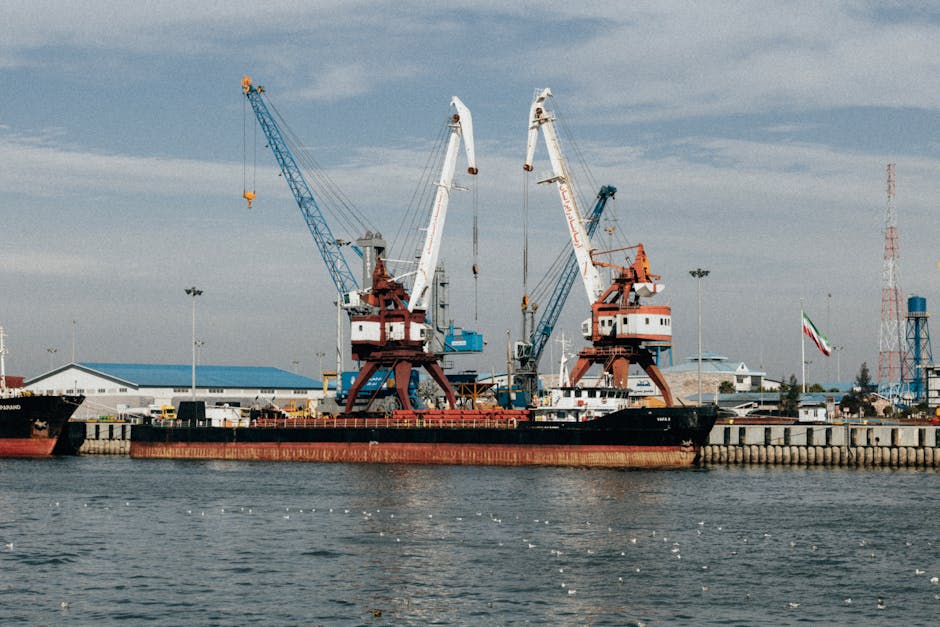
Image: GlobalBeat / 2026
US Iran sanctions: Trump naval blockade cuts off Iranian oil exports as Tehran signals talks
Muhammad Asghar | GlobalBeat
President Donald Trump’s naval blockade of Iranian ports took effect at dawn Tuesday, halting all oil tanker traffic in and out of the Islamic Republic.
The US Navy’s 5th Fleet began intercepting vessels attempting to enter or leave Iranian territorial waters, Pentagon officials confirmed. Trump said the operation targets “every drop” of Iranian crude exports.
Iran sells roughly 1.5 million barrels daily, generating $50 billion annually that funds its military and regional proxy networks. The blockade threatens to starve Tehran of its primary revenue source within weeks.
Revolutionary Guards speedboats shadowed the USS Carney and USS Philippine Sea as they positioned near Bandar Abbas port, witnesses told state media. No shots were exchanged.
“Iran wants a deal very badly,” Trump told reporters at the White House. “They’ll come to the table fast when the money stops flowing.”
The president spoke hours after Treasury Secretary Scott Bessent signed orders freezing $8 billion in Iranian assets held in South Korean and Japanese banks. The dual action represents Washington’s most aggressive economic assault since Trump withdrew from the 2015 nuclear accord.
Ayatollah Ali Khamenei convened an emergency session of Iran’s Supreme National Security Council. Supreme Council secretary Ali Akbar Ahmadian warned Washington that “the region’s oil will not flow if Iran’s doesn’t.”
Iranian Foreign Minister Abbas Araghchi called the move “an act of economic war” in letters to the UN Security Council. China and Russia demanded emergency consultations, set for Thursday.
Oil prices jumped 6% to $89 per barrel on the news. Saudi Arabia pledged to increase production, but analysts question whether Riyadh can offset Iranian losses.
“This removes 1.5 million barrels from a market already running hot,” said Amrita Sen at Energy Aspects in London. “Trump is betting on US shale to fill the gap.”
The US Navy deployed destroyers to the Strait of Hormuz, through which 20% of global oil trade passes. Britain’s Royal Navy will provide escorts for UK-flagged vessels, Prime Minister Keir Starmer’s office announced.
European powers expressed alarm. EU foreign policy chief Kaja Kallas urged “maximum restraint” while acknowledging member states had received no advance warning.
The blockade marks a dramatic escalation from sanctions that previously allowed Iran to export reduced volumes. Trump’s first-term “maximum pressure” campaign cut Iranian exports to 100,000 barrels daily before Biden eased restrictions.
Pentagon officials outlined the operation’s scope. “We’ll board, inspect, and divert any vessel suspected of carrying Iranian oil,” spokesman Maj. Gen. Pat Ryder said. “No exemptions.”
Shipping data showed 14 tankers awaiting clearance near Kharg Island, Iran’s main export terminal. Indian refiner Reliance canceled purchases for March delivery, a company source told GlobalBeat.
Japan instructed domestic shippers to avoid Iranian waters. Tokyo previously bought 200,000 barrels daily from Tehran before sanctions resumed.
Iran’s currency collapsed to 690,000 rials per dollar on unofficial markets, down 18% overnight. Protests erupted in Tehran’s Grand Bazaar as merchants shuttered shops.
“Hundreds gathered chanting against economic mismanagement,” said a Tehran resident who asked not to be named. Security forces deployed tear gas.
The Revolutionary Guards’ Quds Force commander Esmail Qaani met Iraqi militia leaders in Baghdad Monday, according to Iraqi security sources. Washington fears regional retaliation after Trump’s January strike killed Quds Force chief Abbas Nilforoushan.
Hezbollah announced “all options open” following crisis talks in Beirut. The Iran-backed group possesses missiles capable of striking Israeli gas platforms in the Mediterranean.
Israeli Prime Minister Benjamin Netanyahu praised Trump’s “bold leadership” and placed the military on heightened alert. “Iran must never obtain nuclear weapons,” his office stated.
The blockade follows Iran’s enrichment of uranium to near weapons-grade levels. UN inspectors reported 60% purity at Fordow facility last month, just 10% short of bomb-making threshold.
Diplomatic channels showed signs of life. Oman offered to mediate talks, Sultan Haitham bin Tariq’s court confirmed. Tehran previously negotiated with Washington through Muscat during Trump’s first term.
Trump set clear conditions. “They must give up their nuclear program completely,” he declared. “No enrichment, no missiles, no terrorism.”
Regional analysts expressed skepticism. “Iran won’t capitulate without face-saving measures,” said Sanam Vakil at Chatham House. “The supreme leader frames surrender as regime suicide.”
Background
The US and Iran have edged toward confrontation since Trump’s 2018 withdrawal from the Joint Comprehensive Plan of Action, the formal name for Barack Obama’s nuclear deal. That agreement limited Iranian enrichment in exchange for sanctions relief.
Trump reimposed sanctions that slashed Iranian exports from 2.8 million barrels daily to under 400,000. Joe Biden’s administration allowed exports to rebound while pursuing renewed negotiations that collapsed in 2023 after mass protests in Iran.
The current standoff recalls the 1980s “Tanker War” when US and Iranian forces clashed during the Iran-Iraq conflict. America reflagged Kuwaiti vessels and escorted them through the strait after Iran attacked shipping.
Iran developed asymmetric capabilities including thousands of naval mines and small fast-attack craft designed to swarm larger warships. The Revolutionary Guards also maintain shore-based anti-ship missiles along the Persian Gulf coast.
What’s Next
China will propose a Security Council resolution condemning the blockade, diplomats said, though American veto power ensures its failure. European nations seek waivers for humanitarian goods, fearing medicine shortages as Iran’s foreign currency reserves evaporate.
Trump’s team expects Iranian exports to “effectively reach zero” within 30 days, a senior administration official predicted privately. Treasury prepares secondary sanctions against nations purchasing Iranian crude, targeting Chinese refiners who account for 80% of remaining exports.
Senior Correspondent, World & Geopolitics
Muhammad Asghar covers international affairs, conflict zones, and US foreign policy for GlobalBeat. He has reported on events across the Middle East, South Asia, and Eastern Europe, with a focus on the intersection of diplomacy and armed conflict. He has been writing wire-service journalism for over a decade.