Iran War Puts India in Tricky Position
Modi government confronts rising domestic backlash over cooperation with Trump administration on Iran conflict.
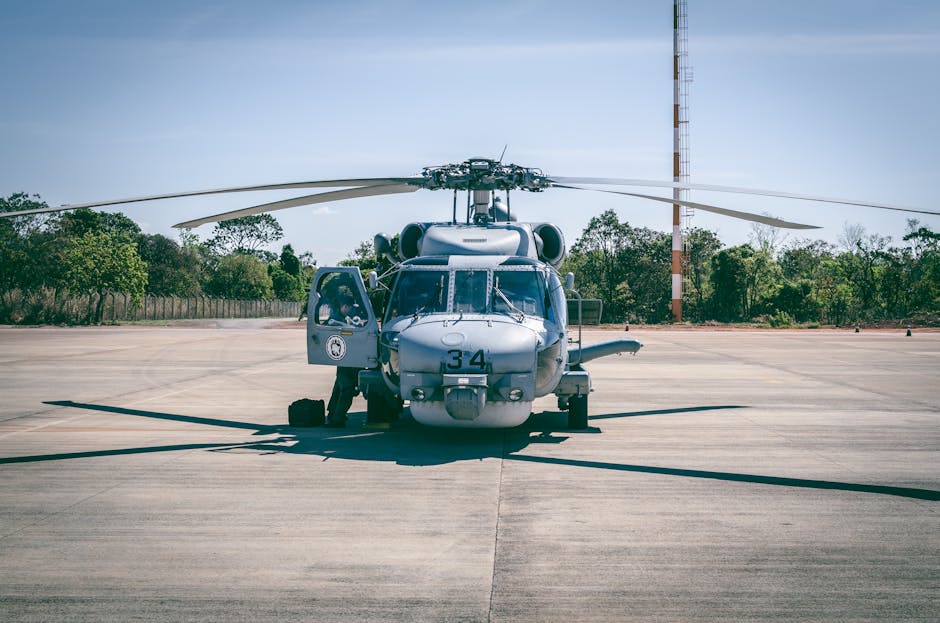
Image: GlobalBeat / 2026
Iran India war impact looms as Modi weighs Trump pressure
New Delhi’s balancing act between Tehran energy ties and White House demands sharpens after US strike
Muhammad Asghar | GlobalBeat
📌 KEY FACTS
• India imports 78% of its crude from the Gulf; Iran once supplied 11% before 2019 sanctions
• 8 million Indians live and work in the wider Gulf; remittances topped $50 billion last year
• Ministry of External Affairs has set up a 15-member “Iran situation” task force
• Parliament must decide by 20 March whether to renew cut-price rupee-barrel trade with Tehran
• 1990-91 Gulf war forced India to airlift 170,000 citizens; planners fear similar scale evacuation now
A midnight barrage of American cruise missiles on Iranian naval sites has pitched India into its sharpest foreign-policy bind since the 1999 Kargil conflict, with oil prices spiking 18% and the Modi government under twin assault: Washington’s demand for strategic loyalty and furious domestic protests against joining any anti-Tehran coalition.
Energy markets opened to chaos barely eight hours after the strikes, and the Iran India war impact was instant—Brent crude soared to $97 a barrel, stretching New Delhi’s import bill by an estimated $26 billion a year if the levy sticks. With memories of the 1990-91 Gulf war evacuation still fresh, officials privately warn any wider conflict could force India to repatriate more than half a million citizens and reroute 60% of seaborne freight that normally transits the Strait of Hormuz.
Strategic Autonomy Meets White House Heat
Prime Minister Narendra Modi built his foreign policy on “multi-alignment,” courting both the United States as defence partner and Iran as energy lifeline. That balancing act is now teetering; Secretary of State Marco Rubio told Indian counterpart Subrahmanyam Jaishankar on a 7-minute Saturday call that Washington expects “concrete steps” including reduced diplomatic contact with Tehran and immediate cut-back on discounted Iranian crude that India resumed buying in January.
Officials present in South Block say Jaishankar stalled, arguing India cannot pivot overnight without parliamentary debate and fuel-price fallout. One diplomat noted the conversation ended with “uncomfortable silence” when Rubio asked whether Delhi would allow US-bound warships logistics access at Andaman bases.
A Fragile Energy Arithmetic
India’s refineries absorbed 1.45 million barrels a day of Iranian oil before Trump-era sanctions; the flow plunged to 120,000 bpd after 2019 waivers ended. A quiet rupee-trade mechanism, revived two months ago, had restored volumes to 550,000 bpd—saving India roughly $6.5 per barrel compared with Saudi grades.
Energy analysts at Mumbai-based Kotak Institutional warn every dollar added to crude price widens India’s current-account gap by $1.8 billion; at today’s futures curve the deficit could balloon from 1.3% to 2.2% of GDP. Freight rates for very-large crude carriers out of the Persian Gulf jumped 22% overnight, a cost refiners say they will pass to consumers ahead of national elections.
Domestic Backlash Grows
Opposition lawmakers burnt effigies of Donald Trump outside parliament Monday, chanting “No war for oil,” while Modi’s own Bharatiya Janata Party allies in Maharashtra’s sugar belt fear pump prices above 110 rupees a litre will undercut electoral gains. Twenty-three civil-society groups petitioned Rashtrapati Bhavan demanding India stay “non-aligned,” evoking Delhi’s 2003 refusal to send troops to Iraq.
Communist Party general-secretary Murali Karat addressed supporters at Jantar Mantar, saying any logistical support to US forces would “turn Indian cities into terror targets.” Senior ministers cancelled scheduled TV appearances as hashtags #IndiaOutOfWar and #StandWithIran trended nationwide.
Port Traffic and Insurance Jitters
Shipping insurers at the India-managed Dubai Insurance Facility placed Persian Gulf routes on “high-risk” list, hiking premiums 0.35% of cargo value. Paradip and Kandla ports have been told to expect diverted cargoes after at least four Greek-owned tankers dropped Iranian shipments; marine traffic data show seven India-flagged vessels idling near Bandar Abbas awaiting security clearance.
Retail cooking-gas prices in Kolkata rose 4% within 24 hours as traders priced in a prolonged Hormuz closure, adding strain to households already grappling with 9.1% food inflation. LPG cylinder hoarding was reported in Uttar Pradesh, prompting government warnings of stock-limit enforcement.
Looking for Alternatives, Fast
Petroleum Minister Hardeep Puri convened an emergency meeting with Saudi Aramco, ADNOC and Iraq’s SOMO ambassadors, requesting 400,000 bpd of additional supplies on 90-day credit. Yet Saudi officials signalled any spare capacity would prioritize Asian long-term buyers such as China. Talks to accelerate a Russia-India crude swap via Vladivostok, dormant since payment-route sanctions, revived overnight; officials hope a rupee-ruble mechanism could substitute 150,000 bpd within six weeks.
State-run Oil India is dusting off plans for discounted Russian ESPO crude, but higher shipping distance adds 19 days to delivery—too slow if Gulf oil stops flowing next week, refinery executives warn.
Can India Protect Its Diaspora Again?
External affairs officers estimate 478,000 Indian passport holders reside in Iran, Iraq, Kuwait and Bahrain, plus 113,000 sailors on merchant fleets. Naval headquarters has readied amphibious ship INS Jalashwa and twoRoll-on/roll-off ferries for possible evacuation, yet the 1990 airlift required 488 flights over 63 days—capacity civilian airlines no longer maintain.
Shipping secretary Shyam Jagannathan admits “scaling that today would be exponentially harder” given closed Pakistani airspace and potential missile threats. Community groups in Dubai are already chartering private buses to Muscat should Hormuz tanker insurance collapse completely.
But the challenge runs deeper than logistics: unlike 1990, today’s Indian migrant cohort includes 200,000 semi-skilled workers whose remittances keep villages solvent in Kerala and Punjab. Cutting short contracts risks a domestic unemployment spike just as rural wages stagnate.
Street-Level Fallout
Picture Jameela Khoja, a 38-year-old nurse from Thrissur, who wires home Rs 42,000 monthly from a Tehran children’s hospital. If India joins sanctions, her employer-run kerosene subsidy ends and living costs could quadruple overnight—yet fleeing means abandoning a residency permit she queued eight years to secure. Multiply her dilemma by thousands and the Iran India war impact becomes measured not in barrels but in school fees unpaid and weddings postponed across South India.
Global Split Screen
While India scrambles, China quietly doubled Iranian crude stockpiles to 90 days and accelerated yuan-denominated contracts—leverage Beijing may wield to court India into a buyers’ cartel resisting US extraterritorial sanctions. In Brussels, EU diplomats revived a 2019 “special purpose vehicle” for non-dollar Iran trade, inviting Delhi to join but demanding tough human-rights clauses Modi dislikes. With Washington and London urging str enforcement, New Delhi’s choice could signal whether the Global South still hedges between power blocs or accepts a bifurcated world order.
Countdown to Decision Day
Modi’s Cabinet Committee on Security meets Wednesday evening to review a four-point menu: continue discounted Iranian imports under opaque rupee channels, pivot to costlier Gulf crude with Saudi deferred billing, seek US waivers that split Iranian oil from military reprisals, or opt for strategic silence until Parliament reconvenes 20 March. Shipping agents warn that without clarity by Friday, insurers will blacklist all Indian hulls still calling at Kharg Island—effectively severing the energy artery anyway. Whatever path is chosen, officials acknowledge, the Iran India war impact will linger through election season and far beyond.