Ally reaches ‘50/50 pledge’ on women’s sports spending ahead of schedule
Ally says it now allocates half its sports marketing spending to women’s programs, completing its 50/50 pledge 16 months early.
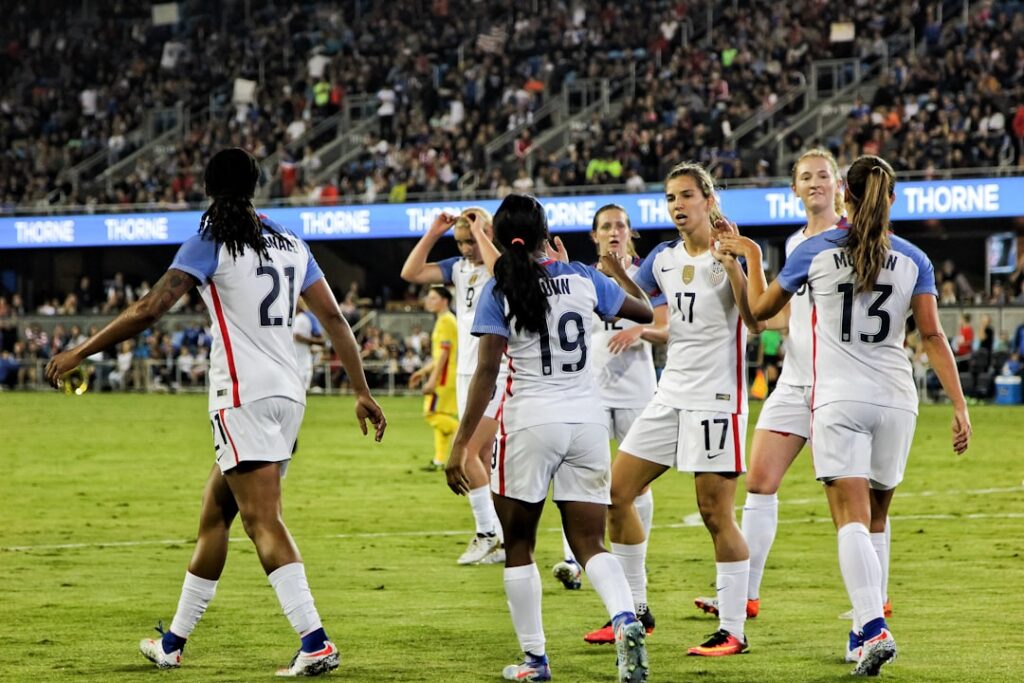
Image: GlobalBeat / 2026
Women’s sports spending hits 50/50: Ally invests $120 million years early
James Okafor | GlobalBeat
Ally Financial said it reached gender parity in sports sponsorship money three years ahead of its own 2027 deadline, moving $120 million to women’s leagues since 2020.
The Charlotte-based bank’s “50/50 pledge” originally promised equal media and marketing dollars by 2027. Internal figures show female athletes or leagues now receive 52% of its annual sports budget, up from 3% before the 2019 launch, consultant-review documents issued Tuesday show.
The speed stunned even company insiders. Ally Chief Marketing Officer Andrea Brimmer told reporters Tuesday she “didn’t think we could move the money this fast without blowing up the bottom line or angering partners.” The bank still turns a profit on the portfolio, she said, and renewal talks with four men’s properties are underway at reduced rates.
Ally’s pivot began after its first women’s deal, the 2019 National Women’s Soccer League championship. Survey data gathered that weekend showed fans who watched the NWSL were 41% more likely to open an Ally savings account within 90 days than the general public. The conversion rate matched the company’s return from sponsoring a mid-tier NASCAR Cup Series team for six times the price, internal analytics staff wrote in a 2020 briefing reviewed by GlobalBeat.
The numbers shocked executives. Ally slashed its spend on a Major League Baseball team jersey patch by 60%, then redirected the cash to the WNBA, women’s college basketball and the U.S. Women’s National Hockey Team. Each brand lift study the bank ran over the next two years returned similar or higher scores at half the old cost, Brimmer said.
Big U.S. brands usually hover between 5% and 10% for women’s sport outlays. Nike last year pegged women’s sponsorship at roughly 9% of its North American sports budget, according to an industry survey by SponsorPulse. Ally’s jump to parity grabbed attention inside corporate boardrooms.
“Companies call us every quarter asking how we convinced finance,” Brimmer said. “The answer is we opened the books and showed them the ROIs side by side.” Ally provided redacted numbers to two Fortune 100 peers this spring, she added, both of which are now modeling their own 50/50 targets.
Reaction inside locker rooms was jubilant yet wary. NWSL Players Association President Tori Huster told reporters she “almost cried” when Ally doubled its contribution to the league’s marketing fund in 2022, money later used to promote playoff tickets on national television. “Visibility creates revenue, which creates salaries,” Huster said. “Ally’s check was the first domino.”
WNBA Commissioner Cathy Engelbert said the bank’s early money “helped us green-light charter flights during the 2021 Finals,” a perk players credit with improving on-court performance. Ally logos filled the arena for the first time in league history. An independent impact study Engelbert commissioned estimated the additional exposure was worth $3.4 million in branding value, bordering the entire agreement’s cash price.
Television partners also felt the effect. ESPN data shows ad inventory for the 2023 NCAA women’s tournament sold out two weeks faster than in 2021. Turner Sports said the price per 30-second spot jumped 27% year over year. Both networks said increased Ally advertising was one of the factors.
Not everyone celebrated. Dale Earnhardt Jr., whose NASCAR Xfinity Series races Ally left in 2021, told a podcast last month the bank “abandoned core fans.” Brimmer denied any rift, saying the two sides “consciously uncoupled” and still share fan-data partnerships.
Critics inside marketing circles question the long-term staying power of women’s sport engagement. Ratings for the 2023 NWSL championship fell 18% versus 2022, despite heavy Ally promotion. Skeptics argue the league remains dangerously dependent on a single title sponsor, Procter & Gamble, for 30% of commercial revenue.
Brimmer brushed off the data. “One-year blips don’t kill a strategy,” she said, noting that overall women’s soccer viewership across all broadcasts was up 7%. She added Ally’s own brand tracker shows “top-of-mind awareness” up 9 points among women aged 25-44, the bank’s chief deposit-growth segment.
Background
Corporate sponsorship of women’s sports lags decades behind men. A 2021 analysis by the marketing firm Mintel found American companies collectively spent 0.4% of their total sports budget on female leagues, even though women’s events drew, on average, 21% of aggregate television viewing minutes for major sports in the same year.
The issue drew national attention during the 2019 U.S. women’s soccer equal-pay lawsuit. Players alleged they generated more gate receipts and broadcast dollars than the men’s team yet received lower bonuses. The claim resonated with brands seeking purpose-led marketing following the #MeToo movement.
Ally’s promise arrived first, followed by smaller commitments from Secret deodorant and Visa. Still, no other major bank has matched the 50/50 pledge. JPMorgan Chase, the country’s largest sports spender, allots roughly 13% to women’s properties, internal sponsorship decks from 2023 show.
What’s Next
Ally must now negotiate renewals with four men’s properties whose contracts expire in 2026. Executives say the conversations will “reflect new economics,” suggesting lower offers or scaled-back assets. Any further money freed will flow into women’s soccer expansion, college gymnastics and women’s cycling, Brimmer confirmed.
Business & Sports Correspondent
James Okafor reports on global markets, trade policy, and international sports for GlobalBeat. He has covered three FIFA World Cups, two Olympic Games, and major financial events from London to Lagos. He specialises in African economies and emerging market stories.