Iran says strait of Hormuz ‘completely open’ but sounds warning on US blockade
Irans foreign ministry affirmed Strait of Hormuz navigation is completely open but warned Tehran will counter any U.S. move to block its oil exports.
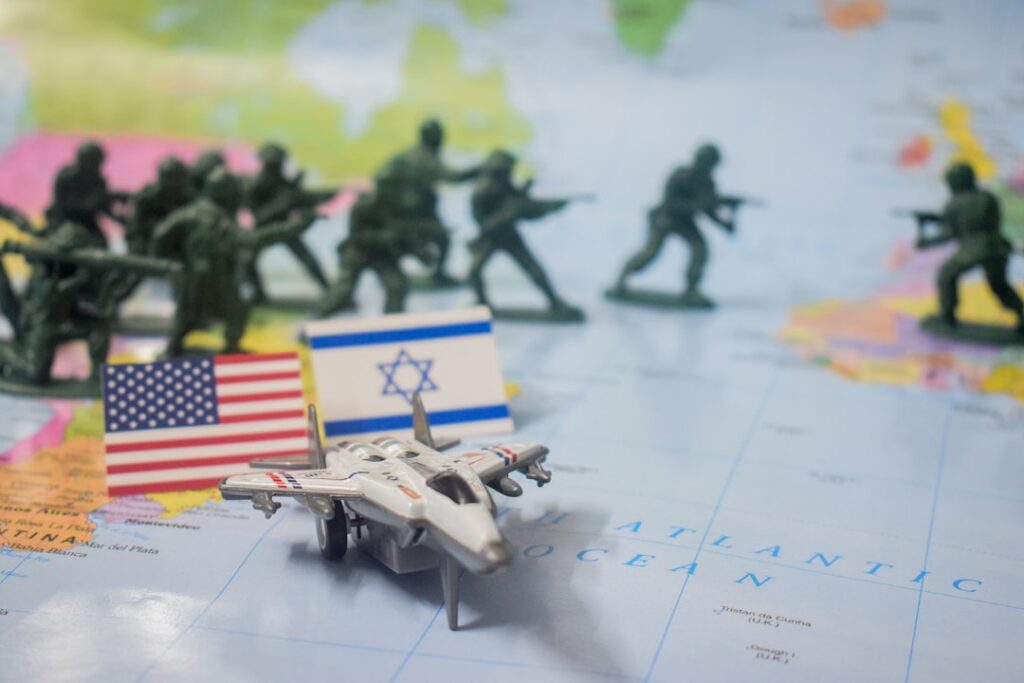
Image: GlobalBeat / 2026
Iran Hormuz Strait maritime traffic continues as Tehran warns US against blockade threats
Muhammad Asghar | GlobalBeat
Container ships and oil tankers sailed normally through the Hormuz Strait on Saturday as Iranian maritime officials dismissed US threats to blockade the vital waterway.
The naval branch commander said any American attempt to close the chokepoint would trigger an immediate military response against Washington’s regional forces. Rear Admiral Abbas Gholamshahi told state media that Revolutionary Guard patrol boats, shore-to-sea missiles and coastal artillery units stood ready to defend Iran’s southern coastline.
The strait carries 21 percent of global oil consumption daily. Closure would send crude prices past $100 within hours and paralyze refineries from Japan to the Netherlands. Tehran has threatened to mine the 33-km wide passage twice since 2018 but never carried through during past standoffs with Washington.
Gholamshahi spoke hours after US President Donald Trump told sailors in Bahrain that “all options” remained for preventing Iranian crude exports worth $35 billion annually. The comments revived memories of April 2020 when Trump ordered the Navy to fire on any Iranian vessels that “harassed” American warships. No shots were exchanged after Pentagon lawyers warned that such action would constitute an act of war under international law.
Iran’s foreign ministry summoned the Swiss ambassador, who handles US interests in Tehran, to protest what it called “piracy plans.” Deputy foreign minister Kazem Gharibabadi warned that interstate waterways cannot be blockaded under the 1982 UN Convention on the Law of the Sea. Washington signed but never ratified the treaty.
Shipping data showed 18 very large crude carriers, each hauling 2 million barrels, had transited the strait since dawn. Lloyd’s List Intelligence recorded no insurance surcharges or re-routing requests. Brent crude edged up 72 cents to $77.14 in London trading, far below the panic spikes markets feared.
The head of Iran’s ports authority, Ali Akbar Safaei, said daily passages averaged 45 vessels last week, matching March levels. He attributed calm to “professional coordination” between Iranian controllers and Oman, which shares the waterway. Two US guided-missile destroyers passed through Thursday without incident, according to marinetraffic.com satellite data.
Washington has squeezed Iranian oil sales since 2018 when Trump abandoned the 2015 nuclear deal. Exports crashed from 2.5 million barrels per day to below 400,000 last year. China buys most cargoes through intermediaries who switch off transponders to evade satellite tracking. Treasury officials estimate the trade still earns Tehran roughly $35 billion annually, enough to fund regional militias in Iraq, Syria and Lebanon.
A senior Trump administration official, speaking on condition of anonymity, said the president wants to push Iranian exports to “near zero” within 90 days. The plan enlists Gulf navies to board suspect tankers and seize cargo, a tactic last used against Iraq in the 1990s. Saudi Arabia and the UAE have not publicly endorsed the idea, fearing escalation that could target their own terminals.
Revolutionary Guard commander Hossein Salami warned that any boarding of Iranian ships would be answered in kind. “We can inspect. We can seize. We can close,” Salami told a military graduation ceremony in Isfahan. The Guard navy operates 148 fast attack craft armed with Chinese-designed anti-ship missiles capable of reaching the opposite Gulf shore.
Background
The Hormuz Strait, only 21 miles wide at its narrowest, has been a flashpoint since the 1980-88 Iran-Iraq war when both sides attacked tankers. Washington reflagged Kuwaiti vessels and escorted convoys in 1987 after an Iraqi missile hit a US warship by mistake. Iran laid mines that damaged the frigate Samuel B. Roberts in 1988, prompting America’s biggest naval surface battle since World War II.
Tensions reignited in 2019 when Trump imposed sanctions that removed 2 million Iranian barrels from daily markets. Mines damaged six tankers that May; the US blamed Tehran, which denied responsibility. Iran shot down a $130 million US surveillance drone weeks later, claiming it entered Iranian airspace. Trump approved then canceled retaliatory airstrikes, saying 150 predicted Iranian deaths were “not proportionate.”
What’s Next
European diplomats expect a fresh US sanctions package within two weeks targeting insurers who cover vessels carrying Iranian crude. Tehran has scheduled its annual “Great Prophet” naval exercise for late May, typically featuring missile launches near the strait. Shipping executives warn that even unfired threats could raise war-risk premiums by 50 percent, adding $500,000 to the cost of a single voyage.
Any prolonged disruption would pressure already tight diesel markets ahead of summer driving season. The International Energy Agency says global oil inventories equal 58 days of demand, below the 90-day buffer recommended after Russia’s 2022 Ukraine invasion. Refiners in South Korea and India, heavy buyers of Iranian oil before sanctions, hold emergency stockpiles but would compete aggressively for alternative grades from Saudi Arabia and the United Arab Emirates.
Senior Correspondent, World & Geopolitics
Muhammad Asghar covers international affairs, conflict zones, and US foreign policy for GlobalBeat. He has reported on events across the Middle East, South Asia, and Eastern Europe, with a focus on the intersection of diplomacy and armed conflict. He has been writing wire-service journalism for over a decade.