Live updates: Iran renews restrictions on Strait of Hormuz as peace talks approach a critical juncture
Iran renews curbs on Hormuz while diplomats near pivotal cease-fire stage, monitors report.
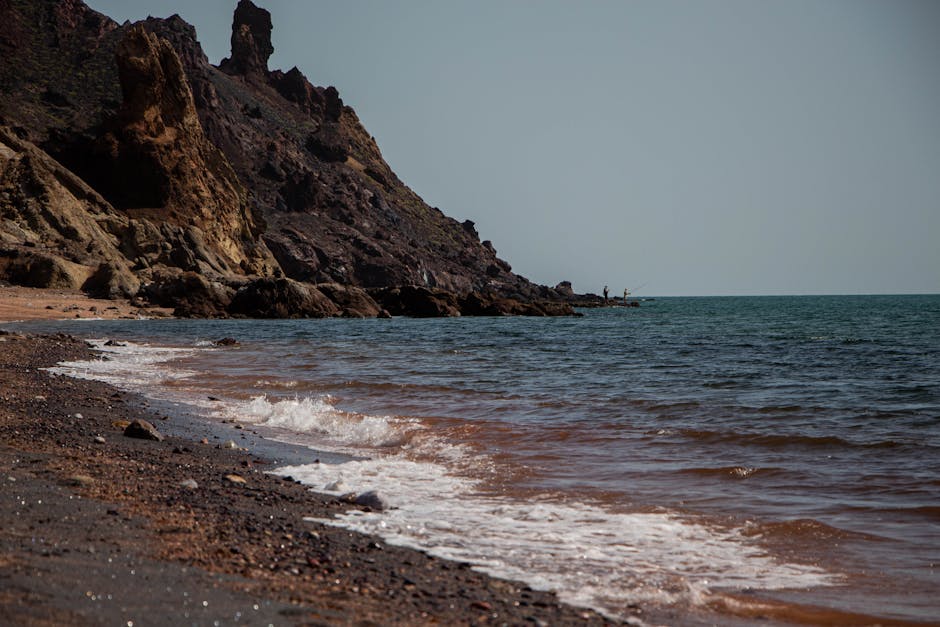
Image: GlobalBeat / 2026
Iran Strait Hormuz restrictions renewed as US talks reach breaking point
Muhammad Asghar | GlobalBeat
Iran imposed fresh transit curbs on commercial vessels passing through the Strait of Hormuz on Sunday, tightening inspections just hours before US negotiators were due in Oman for what diplomats call a “final attempt” to revive the 2015 nuclear accord.
Tehran’s maritime authority announced late Saturday that all non-Iranian tankers must provide 72-hour advance notice of cargo type, ownership papers and last port of call before entering the narrow waterway that carries 20 percent of the world’s traded oil.
The move effectively restores rules Tehran suspended in September and signals Supreme Leader Ayatollah Ali Khamenei’s impatience with European mediators. “Western envoys promised sanctions relief by March, nothing arrived,” Rear Admiral Abdolreza Sheibani told state television. “We are protecting our coast.”
Six oil tankers already waiting outside the strait were ordered to anchor for inspection, according to ship-tracking data compiled by MarineTraffic. The vessels carried a combined 9 million barrels of crude worth roughly $630 million at current Brent prices.
Washington responded within minutes. Pentagon press secretary Chris Meghani said the USS Bataan amphibious group would “remain in the vicinity” of the strait and warned that any interference with international shipping “will be met with appropriate force.” France summoned Iran’s ambassador in Paris and demanded “immediate reversal.” The United Arab Emirates activated an emergency energy corridor that reroutes exports through a pipeline bypassing Hormuz, an official in Abu Dhabi confirmed.
Oil markets opened 4 percent higher in early Asian trade, pushing Brent above $92 per barrel. Saudi Aramco’s chairman told reporters the price spike “threatens global growth” and urged OPEC to consider accelerating production hikes. European benchmark natural gas gained 7 percent.
Diplomats in Vienna said the announcement wrecked a carefully choreographed schedule. Iranian Foreign Minister Ali Bagheri had been expected to meet EU negotiator Enrique Mora on Monday before a potential sit-down with US envoy Adam Boehler later in the week. Now the sequence is “under review,” an EU official said. “We can’t reward blackmail.”
Israeli officials called for a stronger response. Defense Minister Israel Katz told army radio that Israel “will not tolerate the strangulation of global energy supplies” and said naval forces “stand ready” to escort commercial convoys if requested by Washington. Britain’s foreign office described the checks as “unjustified harassment” and said London is coordinating with allies on “collective measures.”
The timing appears deliberate. Iran’s parliament speaker Mohammad Baqer Qalibaf vowed last month that if no sanctions relief materialized by mid-April the Revolutionary Guards would enforce “full maritime oversight.” Guards navy chief Alireza Tangsiri repeated the threat on Friday. “Either the world respects our economic rights or we manage our sea,” Tangsiri said.
Insurance costs for vessels transiting Hormuz spiked to the highest level since the January 2020 US drone strike that killed Guards commander Qasem Soleimani. The London-based International Group of P&I Clubs raised the additional premium for seven-day war-risk coverage to 1.25 percent of hull value from 0.65 percent last week, making a single supertanker journey roughly $900,000 dearer.
China, the largest buyer of Iranian crude, urged restraint. Foreign ministry spokesperson Lin Jian said Beijing “opposes any action that endangers energy security” and called for “accelerated diplomatic efforts.” India directed its state refiners to prepare alternative suppliers in case Tehran halts exports completely. Roughly 500,000 barrels per day of Iranian oil reach Chinese ports via Hormuz, customs data show.
Humanitarian cargos were not exempted. A Danish-flagged vessel carrying 25,000 tons of European wheat to Dubai was halted for “fumigation checks” early Sunday, the ship’s manager told Reuters. “No pest issues detected, yet they kept us waiting six hours,” the captain reported. Grain traders warned that further delays could inflate regional food prices during Ramadan.
Background
Iran controls the northern shore of the 21-mile-wide Strait of Hormuz, which connects the Persian Gulf to the Gulf of Oman and the Arabian Sea. The shipping lane itself is only 2 miles wide in each direction, making it one of the world’s most congested chokepoints. Tehran has periodically threatened to close the route since the 1980s tanker war with Iraq. The last major disruption came in 2019 when limpet-mine attacks blamed on the Revolutionary Guards damaged six vessels. Shipping insurance surged 300 percent and oil prices briefly topped $70.
Global powers rely on freedom of navigation to keep crude flowing from Saudi Arabia, Iraq, Kuwait, Qatar and the UAE. Together these states export about 17 million barrels daily. Washington maintains a near-continuous naval presence through the Bahrain-based Fifth Fleet, while Britain and France deploy frigates under a European-led maritime surveillance mission. Tehran insists the 1982 UN Convention on the Law of the Sea grants it the right to inspect traffic for environmental and security purposes.
What’s Next
Oman is pressing ahead with Monday’s mediation session in Muscat despite Iran’s announcement, officials said. If Iranian diplomats fail to appear, EU and US envoys will consult Gulf allies on possible retaliatory sanctions targeting Iran’s maritime sector, including blacklisting port operator Tidewater and the Islamic Republic of Iran Shipping Lines. Congressional aides in Washington said a bipartisan bill to impose secondary sanctions on buyers of Iranian oil could advance this week.
Brent crude could test $100 if more tankers are delayed, analysts warned. Asian refiners from South Korea to Thailand booked extra cargos from the North Sea and Angola as insurance. Watch for the OPEC+ ministerial panel meeting on Wednesday; Saudi Arabia and Russia may announce an immediate 500,000 barrels per day output increase to calm markets, two delegates said. Meanwhile, satellite imagery shows the Bataan group holding position 40 nautical miles southeast of the strait, ready to escort commercial traffic if Iran’s guards escalate inspections into outright seizures.
Senior Correspondent, World & Geopolitics
Muhammad Asghar covers international affairs, conflict zones, and US foreign policy for GlobalBeat. He has reported on events across the Middle East, South Asia, and Eastern Europe, with a focus on the intersection of diplomacy and armed conflict. He has been writing wire-service journalism for over a decade.