Live updates: Trump says he will extend ceasefire with Iran until negotiations conclude
Trump says he will extend the U.S. ceasefire with Iran until negotiations conclude.
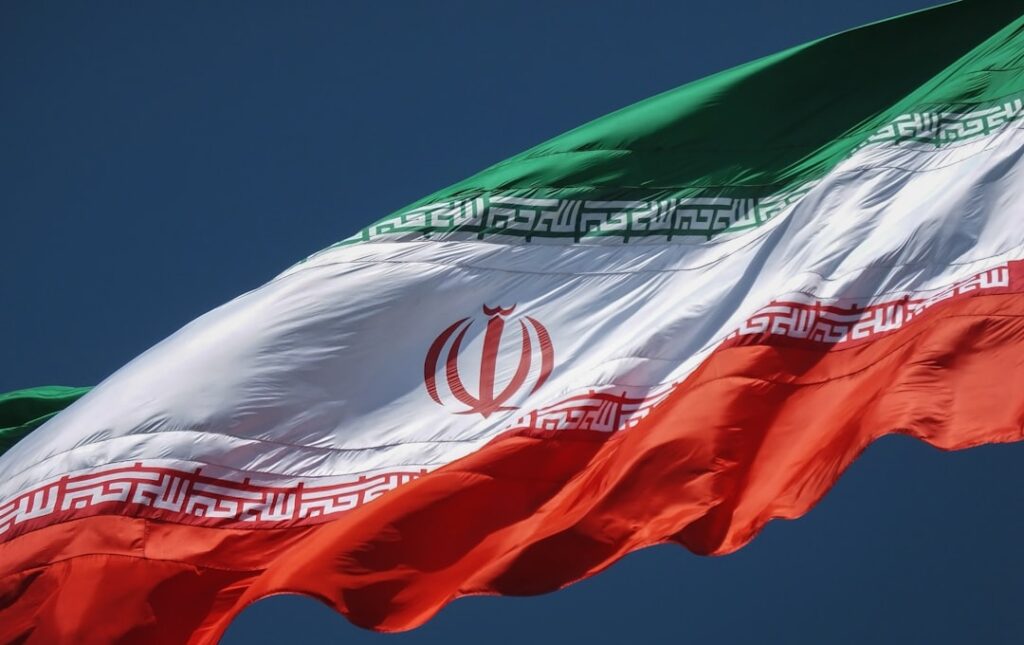
Image: GlobalBeat / 2026
Trump Iran ceasefire extension continues until nuclear talks finish
Muhammad Asghar | GlobalBeat
President Donald Trump announced Monday he will prolong the US-Iran military ceasefire for as long as negotiations over Tehran’s nuclear program continue.
The extension came hours before the original 48-hour truce was set to expire at noon ET. Trump spoke from the Oval Office after a morning briefing with national security officials.
The ceasefire halted US air strikes on Iranian military targets that began Thursday when American warplanes hit radar sites near Bandar Abbas and missile batteries outside Bushehr. Iran responded with a barrage of drones against US positions in Qatar and Kuwait, damaging hangers but causing no American casualties.
“We’re going to keep this pause in place while the talks proceed,” Trump told reporters. “If Iran wants peace, they know what to do. If they don’t, they also know what happens.”
The president spoke alongside Steve Witkoff, his special envoy who has exchanged messages with Iranian Foreign Minister Abbas Araghchi through Omani intermediaries since Friday. Two rounds of indirect discussions have focused on uranium enrichment limits and verification access for UN inspectors.
Iran’s atomic energy organization confirmed Monday that enrichment continued at 60 percent purity at its Natanz facility, well below the 90 percent level considered weapons-grade but far beyond the 3.67 percent cap set by the 2015 nuclear accord that Trump abandoned in 2018.
“Enrichment levels depend on our parliament’s decisions,” organization spokesman Behrouz Kamalvandi told state television. He said Iran has stockpiled 380 pounds of uranium enriched to 60 percent, enough for two bombs if further refined.
Israeli officials said they were monitoring the extension carefully. Defense Minister Israel Katz told army radio that Jerusalem “will not accept a bad deal that leaves Iran with breakout capability.” Behind the scenes, Israeli diplomats pressed the White House to demand Iran ship out its enriched uranium as a first step.
Gulf Arab states offered cautious support. Saudi Foreign Minister Faisal bin Farhan said Riyadh welcomed “any process that prevents wider war,” while the United Arab Emirates announced it would host the next round of technical talks between US and Iranian nuclear experts.
European powers urged caution. French President Emmanuel Macron warned against “another temporary fix that collapses under pressure.” British Prime Minister Keir Starmer called for “concrete Iranian concessions, not just talking for talking’s sake.”
Economic pressures mount on both sides. Iran’s rial traded at 690,000 to the dollar Monday on unofficial markets, down from 550,000 before the US strikes. Oil prices slid 3 percent to $68 per barrel on ceasefire hopes, though energy traders said any breakdown could send Brent crude back above $80.
Inside Iran, hard-liners criticized the talks. Former Revolutionary Guards commander Mohsen Rezaei wrote on social media that “surrendering to America’s gunboat diplomacy brings only humiliation.” Parliament speaker Mohammad Bagher Ghalibaf asked what security guarantees Tehran would receive for limiting its nuclear work.
The US military maintained its build-up. The Pentagon ordered the aircraft carrier USS Truman and its strike group to remain in the Arabian Sea instead of rotating home. B-1 bombers at Diego Garcia kept 24-hour ready status. Defense Secretary Pete Hegseth said force posture “depends entirely on Iranian behavior.”
Background
The current standoff traces to Trump’s 2018 withdrawal from the Joint Comprehensive Plan of Action, the 2015 agreement that limited Iran’s nuclear program in exchange for sanctions relief. After leaving the deal, Trump imposed “maximum pressure” sanctions aimed at slashing Iranian oil exports to zero. Tehran responded by gradually exceeding the accord’s enrichment and stockpiling limits starting in 2019.
Tensions escalated sharply last month when satellite imagery revealed new construction at Iran’s Fordow enrichment site buried inside a mountain. US intelligence agencies assessed Iran could produce enough weapons-grade uranium for one bomb within two weeks if leadership ordered the move, though officials said no political decision to weaponize had been made.
What’s Next
Witkoff travels to Muscat Tuesday to await Iran’s response to a US proposal that would require Tehran to ship out 200 pounds of 60 percent uranium and accept daily UN inspections in exchange for limited sanctions relief on humanitarian goods. Iranian negotiators must reply by Thursday when technical talks are scheduled in Abu Dhabi.
European diplomats said the extension buys “maybe two weeks maximum” before Israel loses patience. US officials privately agree the ceasefire cannot stretch indefinitely if Iran refuses to move on enrichment levels. “This window will close,” a senior administration official said. “The question is whether Iran walks through it first.”
Senior Correspondent, World & Geopolitics
Muhammad Asghar covers international affairs, conflict zones, and US foreign policy for GlobalBeat. He has reported on events across the Middle East, South Asia, and Eastern Europe, with a focus on the intersection of diplomacy and armed conflict. He has been writing wire-service journalism for over a decade.