Democrats try to blunt Trump in Cuba — before it’s too late
Democrats urge Obama to solidify Cuba openings, fearing Trump will reverse détente after January 20.
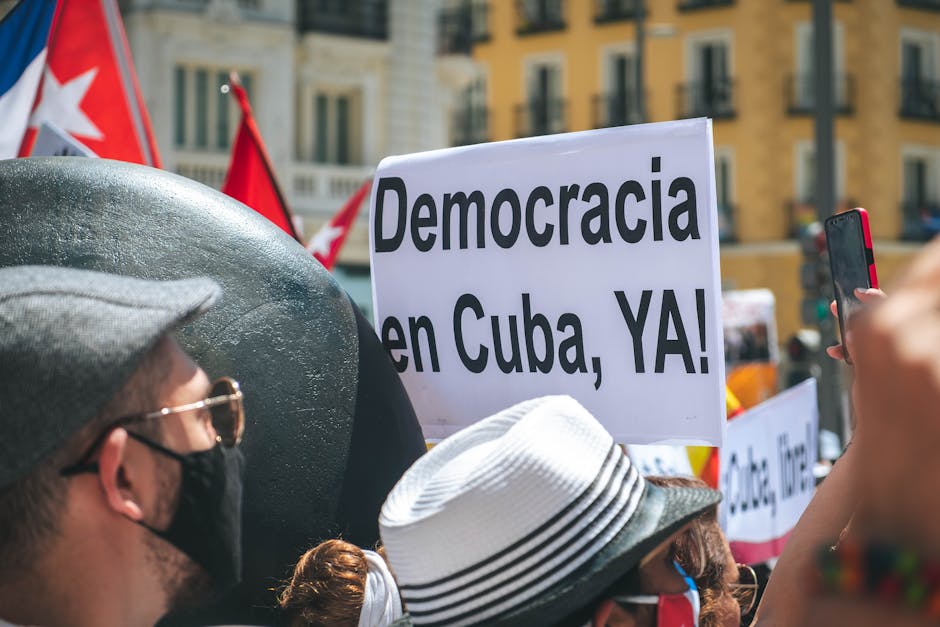
Image: GlobalBeat / 2026
Trump Cuba embargo: Democrats rush to block full economic lockdown
Muhammad Asghar | GlobalBeat
Senate Democrats launched urgent legislation to stop President Trump from imposing a total trade embargo on Cuba after intelligence indicated White House plans for comprehensive economic sanctions within weeks.
The bill, introduced Tuesday by Foreign Relations Committee members, would require congressional approval before any president can block food sales or third-country vessels trading with Havana.
Cuba’s economy already shrank 8% in 2025 following partial sanctions Trump re-imposed in February. The new measures would cut off $2.3 billion in annual remittances from Cuban-Americans and ban all foreign ships that dock in Cuba from entering US ports for 180 days.
“This would devastate innocent families,” Senator Ben Cardin told reporters at the Capitol, flanked by colleagues including Dick Durbin and Amy Klobuchar. “We’re not defending the Cuban regime. We’re preventing humanitarian catastrophe.”
The legislation faces slim odds in the Republican-controlled Senate but Democrats hope to attach provisions to must-pass spending bills before October 1. Trump’s team signaled confidence the measures will proceed regardless.
“President Trump campaigned on maximum pressure against communist dictatorships,” National Security Council spokesman Brian Hughes stated. “Cuba’s support for Venezuela’s Maduro and its human rights abuses require decisive action.”
The diplomatic fallout extended beyond Washington. Canadian Foreign Minister Mélanie Joly warned Ottawa would challenge any sanctions affecting Canadian companies doing business in Cuba. European Union officials prepared similar responses, citing 1996 legislation that allows countermeasures against US extraterritorial sanctions.
“We’ve been here before,” said Joly in Toronto. “Canada will protect its economic interests and our citizens’ right to travel freely.”
Cuba’s government responded defiantly. Foreign Minister Bruno Rodríguez tweeted that Cuba “has resisted 60 years of blockade and will resist 60 more.” State media showed military exercises across the island, while officials prepared contingency plans including ration book expansion and barter agreements with allies.
The economic stakes rose daily. Carnival Cruise Line shares dropped 12% Monday on fears of losing Cuban ports representing 15% of Caribbean routes. Soviet-era oil refineries in Cienfuegos face shutdown without Venezuelan crude shipments that Washington wants blocked. Even Cuba’s booming private restaurants, which surged after 2021 reforms, reported suppliers already demanding cash upfront.
“Everything’s frozen,” said Nelson Ricardo, who owns 3 Havana paladares employing 47 staff. “Suppliers won’t extend credit. We’re down to ten days inventory.”
Miami’s Cuban-American community split along generational lines. Older exiles rallied outside Versailles restaurant chanting “Freedom for Cuba,” while second-generation Americans formed human chains blocking the nearby Dolphin Expressway demanding family reunification rights. Police arrested 23 protesters after scuffles with counter-demonstrators.
The timing carries electoral implications. Florida’s 30 electoral votes hang in balance, though Cuban-Americans now comprise just 6% of the state’s electorate versus 9% in 2020. Trump’s campaign released Spanish-language ads claiming “Castro’s communism dies with Trump’s strength” across South Florida television markets starting Wednesday evening.
Background
US-Cuba relations transformed dramatically under President Barack Obama’s 2014-2016 opening, restoring diplomatic ties and easing travel restrictions. Trump reversed most Obama measures during his first term, tightening the 1962 trade embargo through new regulations barring most American travel and business deals with entities linked to Cuba’s military. President Joe Biden maintained many Trump-era restrictions while restoring family remittances and limited charter flights.
Cuba’s economy deteriorated rapidly under existing US sanctions plus the COVID-19 pandemic’s collapse of tourism. GDP contracted 11% in 2020, recovered only 2% in 2023, then plunged again after Russia’s Ukraine invasion cut tourism from Europe. The government unified its dual currency system in 2021 but inflation exceeded 70% annually since then. Basic goods shortages forced millions to emigrate, with 300,000 Cubans entering the US illegally in 2024 alone.
What’s Next
The Senate Foreign Relations Committee scheduled hearings for September 8, where Secretary of State Marco Rubio, son of Cuban immigrants, will defend the administration’s plans. Banking regulators prepared guidance for financial institutions processing Cuban transactions before October 1 sanctions take effect, while Homeland Security drafted immigration policies for potential refugee flows.
The Democrats’ legislative gambit represents more than congressional maneuvering. If Republicans defy polls and retain Senate control in November, Cuba policy could harden for a generation, embedding sanctions beyond Trump’s tenure. Meanwhile Havana’s allies watch closely: Mexico’s president visits Monday, China’s foreign minister arrives Tuesday, and Russia’s top security official lands Wednesday. Each brings potential lifelines, but also confirmation of Trump’s central narrative, Cuba isolated with America’s enemies.
Senior Correspondent, World & Geopolitics
Muhammad Asghar covers international affairs, conflict zones, and US foreign policy for GlobalBeat. He has reported on events across the Middle East, South Asia, and Eastern Europe, with a focus on the intersection of diplomacy and armed conflict. He has been writing wire-service journalism for over a decade.