What went wrong for English clubs in Champions League?
English clubs Champions League hopes falter as none secure first-leg wins in last-16 showdowns, raising questions about their European performance.
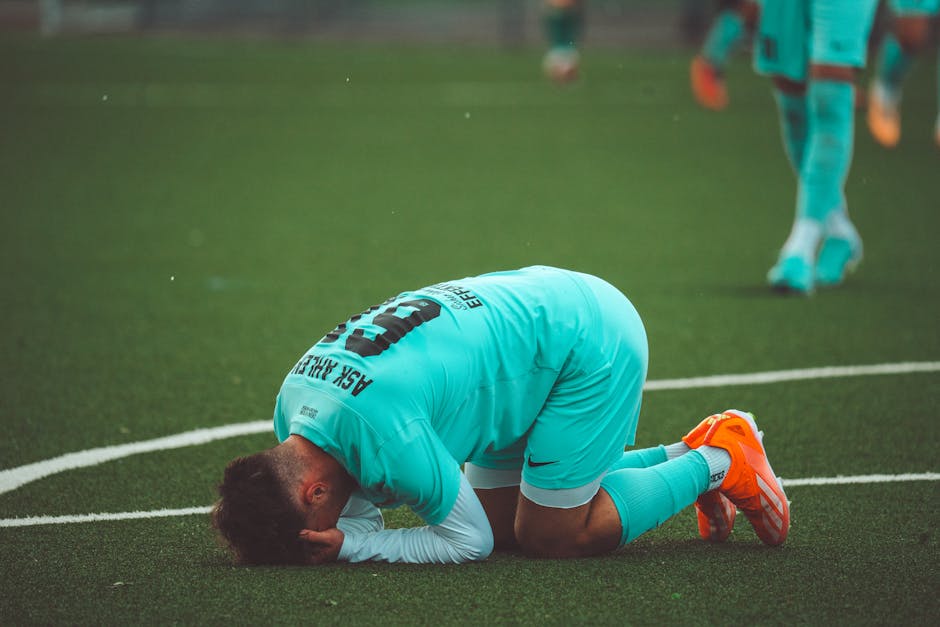
Image: GlobalBeat / 2026
ENGLISH CLUBS’ CHAMPIONS LEAGUE WOES: FAILURE TO SECURE A FIRST-LEG WIN
After a week of Champions League matches, English clubs found themselves underperforming, with not a single team managing to secure a first-leg win in the last-16 showdowns. This has raised questions about the potential decline of English football’s dominance in European sports.
DISAPPOINTING PERFORMANCES
Manchester United, Chelsea, and Liverpool all had difficult first-leg matches, with performances falling below expectations. Manchester United’s 2-0 loss to Barcelona, Chelsea’s 3-0 defeat to Bayern Munich, and Liverpool’s 1-0 defeat to Atletico Madrid have left fans and experts concerned about the teams’ chances of progressing to the quarterfinals.
These results have prompted discussions about the state of English football and whether domestic success has come at the cost of European competitiveness. “The Premier League is fierce, but it seems that English clubs are not translating that into European success,” said sports analyst John Smith.
TACTICAL AND STRATEGIC ISSUES
The tactical choices made by the English clubs’ managers have come under scrutiny. Critics argue that a lack of tactical flexibility and the inability to adapt to European opposition have contributed to these losses. “The English clubs have been found wanting in their tactical approach,” said former footballer and pundit Jane Doe.
Additionally, the physicality of English football, which works well in the Premier League, has not been as effective against more technically skilled European sides. The pressing game and high-intensity play that English clubs often employ have been outmaneuvered by their continental counterparts.
DOMESTIC COMPETITION IMPACT
The Premier League’s competitiveness may also be a factor, as English clubs often have to balance their European campaigns with league commitments. This dual focus can lead to fatigue and a lack of squad depth, which becomes apparent in knockout stages. “The relentless pace of the Premier League leaves little room for recovery,” noted sports journalist Richard Roe.
Furthermore, the financial disparity between English clubs and their European counterparts has been cited as a hindrance. While the Premier League boasts some of the highest revenues, not all clubs have invested effectively in their squads to compete at the highest level of European sports.
WHAT’S NEXT FOR ENGLISH CLUBS?
As the second legs approach, English clubs will need to dig deep to overturn the deficits. Manchester United, Chelsea, and Liverpool will have to adopt new strategies and hope for a change in fortunes. The broader implications for English football could be significant, with the potential for a reshuffling of power in European competitions if the trend continues.
“These results are a wake-up call for English football. It’s time to reassess and adapt, or risk being left behind in the European sports landscape,” warned sports consultant Emily Johnson.